In the demanding world of industrial automation, medical instrumentation, and process control, the display screen is far more than a simple output device. It is the critical human-machine interface (HMI) upon which operational efficiency, data accuracy, and system reliability hinge. Selecting the right display panel requires a deep understanding of specifications that go beyond consumer-grade metrics, focusing on longevity, stability, and performance under stress. This article provides an in-depth exploration of the
TM150TDSG70, a 15-inch TFT-LCD panel from Tianma, engineered specifically for the rigors of industrial environments.
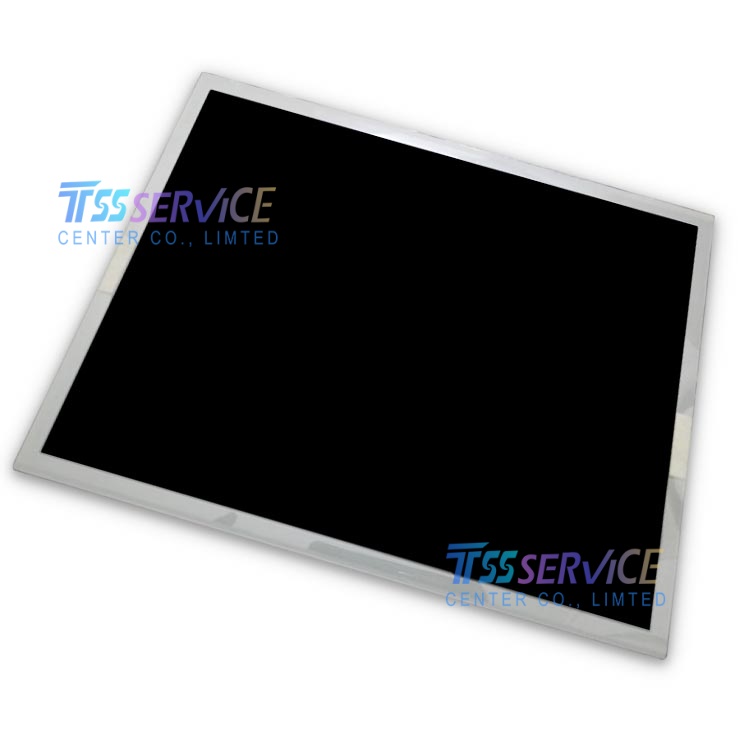
We will dissect its core technical architecture, analyze the tangible benefits of its 1024x768 (XGA) resolution in industrial contexts, and evaluate its robust design features that ensure operation in wide temperature ranges and under constant stress. Finally, we will outline its ideal application scenarios, providing a comprehensive guide for engineers and procurement specialists seeking a durable and dependable display solution.
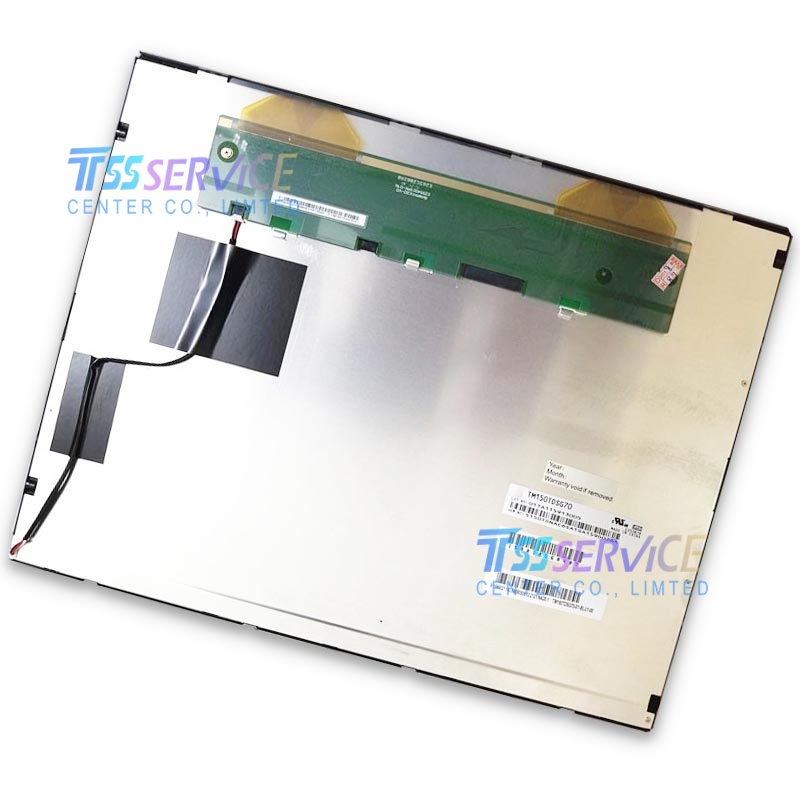
Deconstructing the TM150TDSG70: Core Architecture and Industrial DNA
At its heart, the
TM150TDSG70 is built upon an amorphous Silicon (a-Si) TFT-LCD backplane. This mature and highly reliable technology forms the foundation of its industrial suitability. Unlike panels designed for ultra-high refresh rates or extreme color gamuts, the engineering priorities here are stability, yield strength, and long-term operational consistency. The 15-inch diagonal size, coupled with a traditional 4:3 aspect ratio, is a deliberate choice. This format remains the standard for a vast array of legacy and modern industrial equipment, from CNC machine controllers to laboratory analyzers, ensuring seamless physical and interface compatibility without wasteful bezels or awkward scaling.
The panel's design incorporates industrial-grade components from the ground up. This includes LEDs for backlighting that are selected and driven for extended lifespans, often exceeding 50,000 hours, and capacitors and drivers resistant to the voltage fluctuations common in factory settings. The TM150TDSG70 is not a repurposed commercial panel; its architecture is conceived from the outset to meet the stricter tolerance levels and failure-rate expectations of the B2B industrial market, where downtime is measured in production losses, not just inconvenience.
The Strategic Value of XGA Resolution in Industrial HMIs
The choice of 1024 x 768 pixels (XGA) is a strategic one, offering an optimal balance between clarity, compatibility, and system cost. In an industrial HMI, information density and legibility are paramount. XGA resolution provides sufficient pixel real estate to display complex control schematics, multi-parameter data logs, and detailed system status pages without the need for excessive scrolling or simplified graphics. Each piece of critical data can be presented at a size that reduces operator eye strain during long shifts.
Furthermore, XGA represents a widely supported standard. It ensures flawless compatibility with a range of single-board computers (SBCs), industrial PCs, and embedded controllers without demanding high-performance graphics processing units. This simplifies system design, reduces overall bill-of-material costs, and minimizes software driver complexity. For applications displaying text-based data, legacy SCADA interfaces, or custom-built GUI, XGA offers a "sweet spot"—it is a significant step up from legacy VGA in clarity while avoiding the potential software scaling issues and higher processing overhead of full HD panels on embedded systems.
Engineered for Endurance: Robustness and Environmental Stability
The defining characteristic of a true industrial display is its ability to perform reliably in environments that would cripple a standard monitor. The Tianma TM150TDSG70 is engineered with this endurance mandate. A key specification is its wide operating temperature range, typically from -30°C to 80°C. This allows deployment in unheated warehouses, next to heat-generating machinery, or in outdoor enclosures with climate control, ensuring stable performance where liquid crystals in commercial panels would freeze or become sluggish.
Robustness is further enhanced through physical and electrical design:
-
High Brightness & Anti-Glare Treatment: With brightness levels often reaching 500 nits or more, the screen remains readable under direct ambient lighting or sunlight. A strong anti-glare surface treatment diffuses light to prevent reflections that could obscure critical information.
-
Enhanced Durability: The module is constructed to withstand higher levels of vibration and shock, protecting the delicate internal bonds from the constant hum and occasional impacts of a factory floor.
-
Longevity-Centric Design: From backlight driving circuits that minimize thermal stress to materials resistant to chemical exposure, every aspect is tuned for a long, predictable service life, maximizing the return on investment.
Ideal Application Scenarios and Integration Considerations
The specific combination of features makes the
TM150TDSG70 an optimal solution for a well-defined set of industrial and specialized applications. Its reliability and 4:3 format make it a prime candidate for
industrial automation—serving as the interface for PLC-controlled systems, robotic workcells, and test/measurement equipment. In the
medical field, it can be found in diagnostic devices, patient monitoring systems, and laboratory instrumentation where clarity and 24/7 reliability are non-negotiable.
Other key applications include transportation (in-vehicle information systems for buses, trains, or maritime use), point-of-sale/kiosk systems requiring constant operation, and utility and infrastructure monitoring stations. For integrators, successful deployment involves pairing the panel with a compatible controller board (LVDS interface is standard), designing an enclosure that manages heat dissipation at extreme temperatures, and ensuring the power supply is clean and stable. Sourcing from a reputable manufacturer like Tianma also guarantees consistent quality and supply chain stability over the multi-year lifecycle of an industrial product.


