In the demanding world of industrial automation, medical equipment, and point-of-sale systems, the display panel is far more than a simple output device—it is the critical interface between complex machinery and human operators. Its reliability, clarity, and durability directly impact operational efficiency and system longevity
In the demanding world of industrial automation, medical equipment, and point-of-sale systems, the display panel is far more than a simple output device—it is the critical interface between complex machinery and human operators. Its reliability, clarity, and durability directly impact operational efficiency and system longevity. This article delves into the LTM12C289S, a specific 12.1-inch industrial LCD panel designed as a replacement for Toshiba systems, exploring its technical merits and the pivotal role such specialized components play in harsh environments.
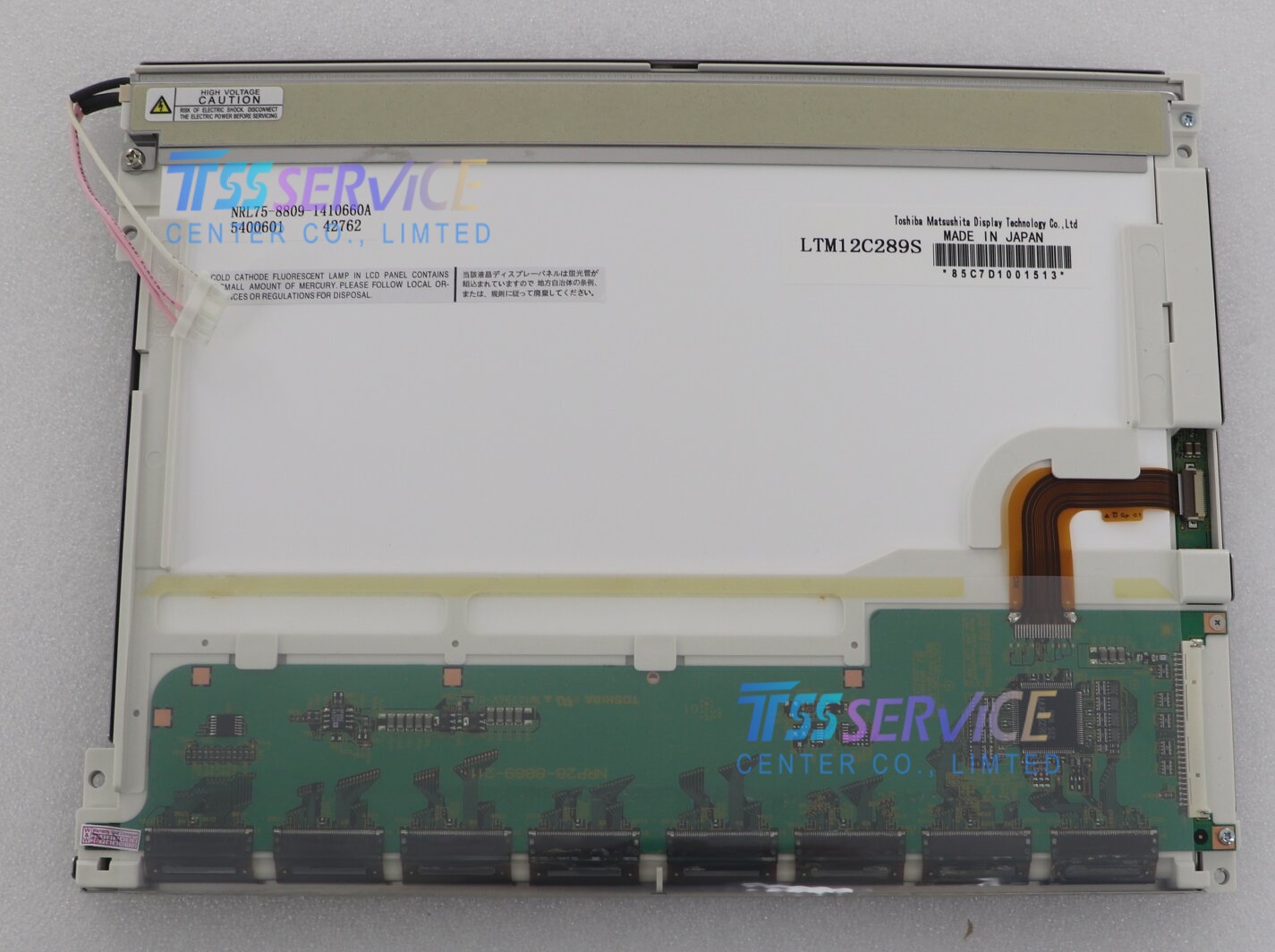
We will move beyond basic specifications to examine why this panel is engineered for endurance, how its display technology ensures consistent performance, where it finds its most crucial applications, and what considerations are vital for successful integration and sourcing. This deep dive aims to provide engineers, system integrators, and procurement specialists with the nuanced understanding necessary to make informed decisions about this critical hardware component.
Engineering for Resilience: The Industrial-Grade Distinction
The LTM12C289S is not a consumer-grade screen. Its fundamental value proposition lies in its industrial-grade construction, designed to withstand conditions that would swiftly degrade standard displays. This resilience is achieved through a combination of material choices and design philosophy. The panel typically features a robust metal frame for structural integrity and electromagnetic shielding, contrasting with the plastic enclosures common in commercial parts.
Key to its durability is its extended operating temperature range. While consumer LCDs may function from 0 to 50°C, an industrial panel like the LTM12C289S is built to perform reliably in a much wider range, often from -20°C or -30°C up to 70°C or higher. This ensures functionality in unheated warehouses, under direct sunlight in outdoor kiosks, or next to heat-generating machinery. Furthermore, industrial panels employ higher-grade components, such as capacitors with longer lifespans, and are subjected to more rigorous testing protocols to minimize infant mortality failures and ensure mean time between failures (MTBF) is measured in tens of thousands of hours
.
Clarity Under Pressure: Display Technology and Performance
At its core, the LTM12C289S delivers a resolution of 800(RGB) x 600 pixels (SVGA) on a 12.1-inch diagonal, resulting in a clear and functional pixel density for data-rich interfaces. The "RGB" stripe designation indicates a standard sub-pixel arrangement, offering good color reproduction and compatibility. However, the performance nuances are what set it apart. Industrial panels prioritize stability and readability over extreme color gamuts or refresh rates.
This model often incorporates high-brightness backlights, ranging from 300 to 1000 nits, to combat glare and remain readable in brightly lit industrial or outdoor settings. It also features wide viewing angles, typically 80/80/80/80 (Left/Right/Up/Down), ensuring the display content is accurate from various positions—a crucial factor in control panels viewed by multiple operators. The contrast ratio is engineered to remain stable across the temperature range, preventing image washout. These characteristics ensure that critical data, diagnostic information, and control interfaces are always legible, reducing operator error.
Critical Applications: Where Reliability is Non-Negotiable
The specific design parameters of the LTM12C289S make it an ideal solution for sectors where display failure is not an option. Its role as a replacement for Toshiba panels points directly to its application legacy. Primary deployment areas include:
-
Industrial Automation & HMI: Serving as the primary touchpoint on PLC-controlled machinery, manufacturing lines, and SCADA systems, where it must resist vibration, dust, and electrical noise.
-
Medical Diagnostic Equipment: Integrated into ultrasound machines, patient monitors, or diagnostic stations, where consistent color fidelity and 24/7 reliability are paramount for accurate readings.
-
Transportation & Fleet Management: Used in vehicle-mounted systems for logistics, public transit, or heavy equipment, enduring constant shock, temperature swings, and extended operation.
-
Point-of-Sale & Kiosks: Deployed in retail and hospitality environments requiring displays that can operate continuously for years without dimming or failure.
In these contexts, the panel is not a commodity but a core system component whose failure leads to costly downtime, safety risks, or operational paralysis.
Sourcing and Integration: A Strategic Procurement Perspective
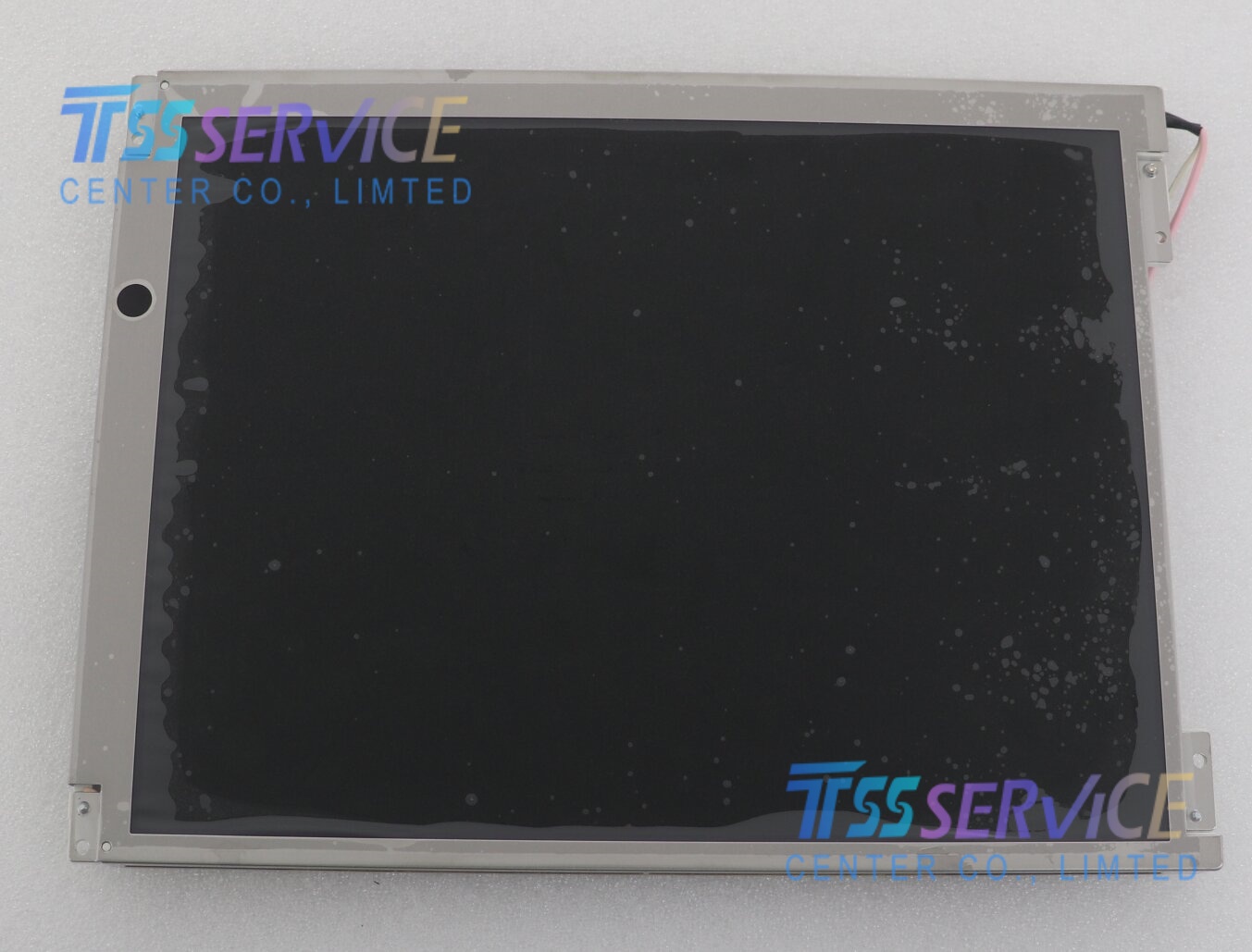
Procuring a specialized component like the LTM12C289S requires a strategic approach beyond simply comparing prices. First and foremost is compatibility verification. Integrators must confirm mechanical dimensions, mounting hole patterns, interface type (typically LVDS), pinout definitions, and backlight inverter requirements to ensure a drop-in replacement. Second is the supply chain assessment. Given that this is a replacement part for existing systems, sourcing from reputable distributors with guaranteed authentic components and traceability is essential to avoid counterfeit or refurbished units masquerading as new.
Finally, consideration for long-term support is critical. Will this specific panel model be available for future repairs or system expansions in 3 or 5 years? Understanding the product lifecycle and the supplier's commitment to inventory is part of the total cost of ownership. Successful integration thus hinges on technical diligence, partnership with reliable suppliers, and viewing the purchase as an investment in system longevity rather than a mere transactional part replacement.
The LTM12C289S 12.1-inch industrial LCD panel exemplifies the engineering rigor required for mission-critical display interfaces. Its value is defined not by superficial specs but by its proven resilience, stable optical performance in extreme conditions, and vital role across high-stakes industries. For professionals tasked with maintaining or upgrading systems originally designed with Toshiba panels, understanding these deep-seated qualities—from material construction to supply chain realities—is essential. Ultimately, selecting such a component is a strategic decision that safeguards operational continuity, ensuring that the vital human-machine link remains clear, reliable, and unbroken for years to come.


