In the intricate world of industrial and embedded display solutions, the selection of a specific LCD panel is far more than a simple component choice—it is a foundational engineering decision. This article delves into a detailed examination of the LTD121C31S, a 12.1-inch a-Si TFT-LCD module designed as a direct replacement and upgrade path for systems originally equipped with Toshiba displays.
In the intricate world of industrial and embedded display solutions, the selection of a specific LCD panel is far more than a simple component choice—it is a foundational engineering decision. This article delves into a detailed examination of the LTD121C31S, a 12.1-inch a-Si TFT-LCD module designed as a direct replacement and upgrade path for systems originally equipped with Toshiba displays. We will move beyond basic datasheet specifications to explore the technical nuances, application-specific advantages, and critical integration considerations that define this panel's role in modern digital interfaces.
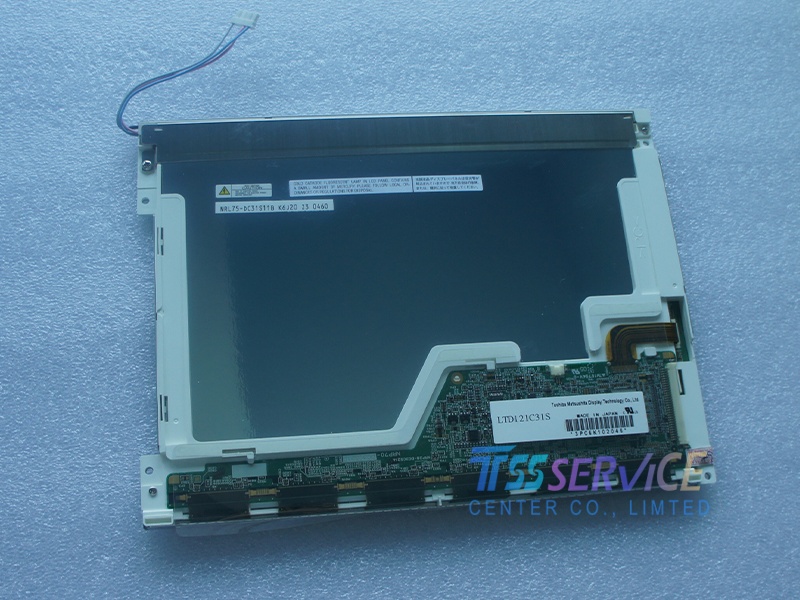
The core value of the LTD121C31S lies in its targeted compatibility and robust construction. As display technology evolves, maintaining the longevity of legacy equipment becomes a significant challenge for manufacturers and system integrators. This module directly addresses that challenge by offering a form-fit-function replacement for corresponding Toshiba models, ensuring seamless physical and electrical integration into existing chassis and controller boards. Its 800 x 600 SVGA resolution, while not high-definition by consumer standards, represents the optimal balance for many industrial applications, providing clear readability without imposing excessive processing load on legacy systems. The use of amorphous-Silicon (a-Si) TFT technology guarantees proven reliability, long operational life, and stability across a wide temperature range, which is paramount in non-climate-controlled environments.
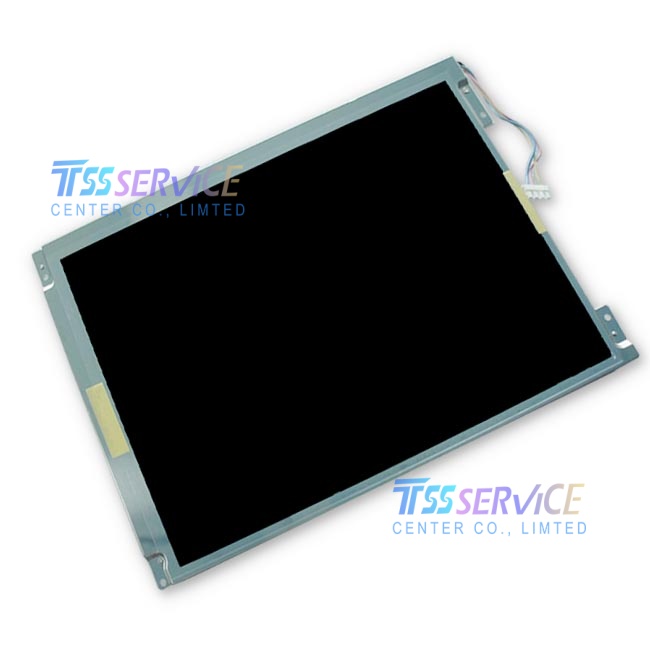
Decoding the Technical Architecture and Performance Profile
To truly appreciate the LTD121C31S, one must understand its technical DNA. The 12.1-inch diagonal active area with a 4:3 aspect ratio is a classic format for control panels, instrumentation, and point-of-sale systems, offering more vertical space for data-rich interfaces compared to wider screens. The 800 x 600 pixel array delivers a crisp 82 PPI (pixels per inch), sufficient for sharp character and schematic display. A critical performance metric is its brightness, typically ranging from 300 to 400 nits, which ensures visibility in brightly lit indoor settings. Furthermore, the panel incorporates a standard LVDS (Low-Voltage Differential Signaling) interface, a mature and noise-resistant protocol that ensures stable data transmission over longer cable runs within machinery.
Equally important are the qualities not always highlighted in headlines: the contrast ratio, which defines depth and legibility; the uniform backlighting provided by an integrated CCFL or LED array; and the viewing angles. With typical horizontal and vertical viewing angles of 140 degrees and 110 degrees respectively, it ensures consistent color and contrast for operators viewing from slightly off-axis positions. This combination of specifications paints a picture of a workhorse component engineered for durability and consistent performance, not flashy multimedia feats.
Strategic Application in Industrial and Legacy Systems
The true test of any industrial component is its performance in the field. The LTD121C31S finds its strategic niche in several key areas. Primarily, it serves as a lifecycle extension tool for manufacturing equipment, medical devices, and transportation systems that were built around Toshiba's display ecosystem. Instead of costly and complex system redesigns, a direct panel swap restores full functionality. Secondly, its rugged build and reliable performance make it ideal for new designs in demanding environments such as factory automation HMI (Human-Machine Interface), construction vehicle consoles, and diagnostic medical equipment.
In these contexts, factors like resistance to vibration, consistent performance under thermal stress, and a long mean time between failures (MTBF) outweigh the need for ultra-high resolution. The panel's design often includes a robust metal frame and shielding to mitigate electromagnetic interference (EMI), a common challenge in industrial settings packed with motors and drives. This focus on environmental resilience is what separates an industrial-grade display like the LTD121C31S from commercial-off-the-shelf monitors.
Critical Integration and Compatibility Considerations
Selecting the LTD121C31S is only the first step; successful integration is paramount. Engineers and procurement specialists must pay close attention to several factors. Mechanical compatibility is the foremost concern—confirming the exact mounting hole patterns, bezel dimensions, and depth to ensure a perfect fit within the existing enclosure. Electrically, verifying the interface pinout, voltage requirements of the backlight (whether CCFL or LED), and the need for any specific controller board adjustments is essential to avoid damage or non-operation.
Another crucial consideration is the supply chain and future-proofing. As a replacement part for potentially discontinued lines, understanding the availability of the LTD121C31S and its potential second sources is vital for long-term maintenance planning. Furthermore, evaluating the environmental specifications against the target application's requirements—such as operating temperature range, storage temperature, and humidity tolerance—ensures the display will perform reliably throughout its intended service life.
The Competitive Landscape and Value Proposition
In a market filled with display options, the LTD121C31S carves out its position through specialization rather than competing on generic specs. Its primary value proposition is minimized integration risk for legacy Toshiba systems. The cost and time savings from avoiding mechanical redesign, firmware updates, or controller replacement are immense. Compared to newer panels with different aspect ratios or interfaces, it offers a plug-and-play solution that keeps capital equipment operational for years longer.
When compared to other industrial 12.1-inch SVGA panels, its advantages include a proven track record, specific optical bonding options for enhanced durability in high-vibration settings, and support from distributors familiar with industrial B2B requirements. The decision to choose this panel is ultimately a strategic one, prioritizing system continuity, reliability, and total cost of ownership over chasing the latest display technology trends that may offer little practical benefit in an industrial context.
In conclusion, the LTD121C31S 12.1-inch TFT-LCD stands as a specialized solution engineered for continuity and resilience. It exemplifies how targeted component design can extend the lifespan of critical capital equipment and provide reliable performance in challenging environments. Its value is measured not in pixels alone, but in seamless integration, operational stability, and the significant cost savings derived from avoiding full system overhauls. For engineers and procurement managers tasked with maintaining or designing robust digital interfaces, understanding the depth of this panel's capabilities is key to making informed, strategic decisions that ensure long-term system viability.


