In the intricate world of industrial and embedded display solutions, finding a component that perfectly balances reliability, legacy compatibility, and performance is a significant challenge. This article delves into a critical component for maintaining and upgrading specialized systems: the LTD121C31T 12.1-inch a-Si TFT-LCD module
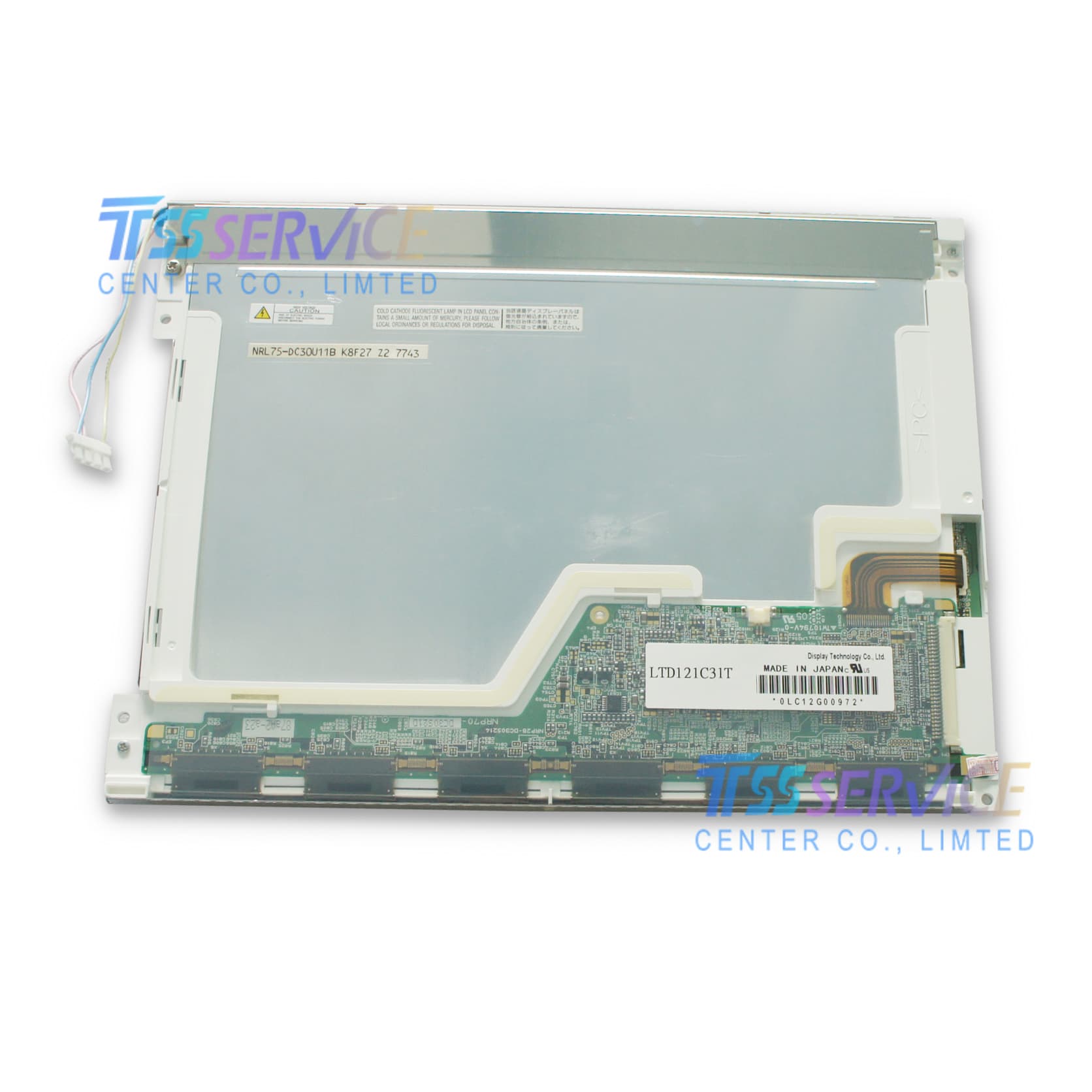
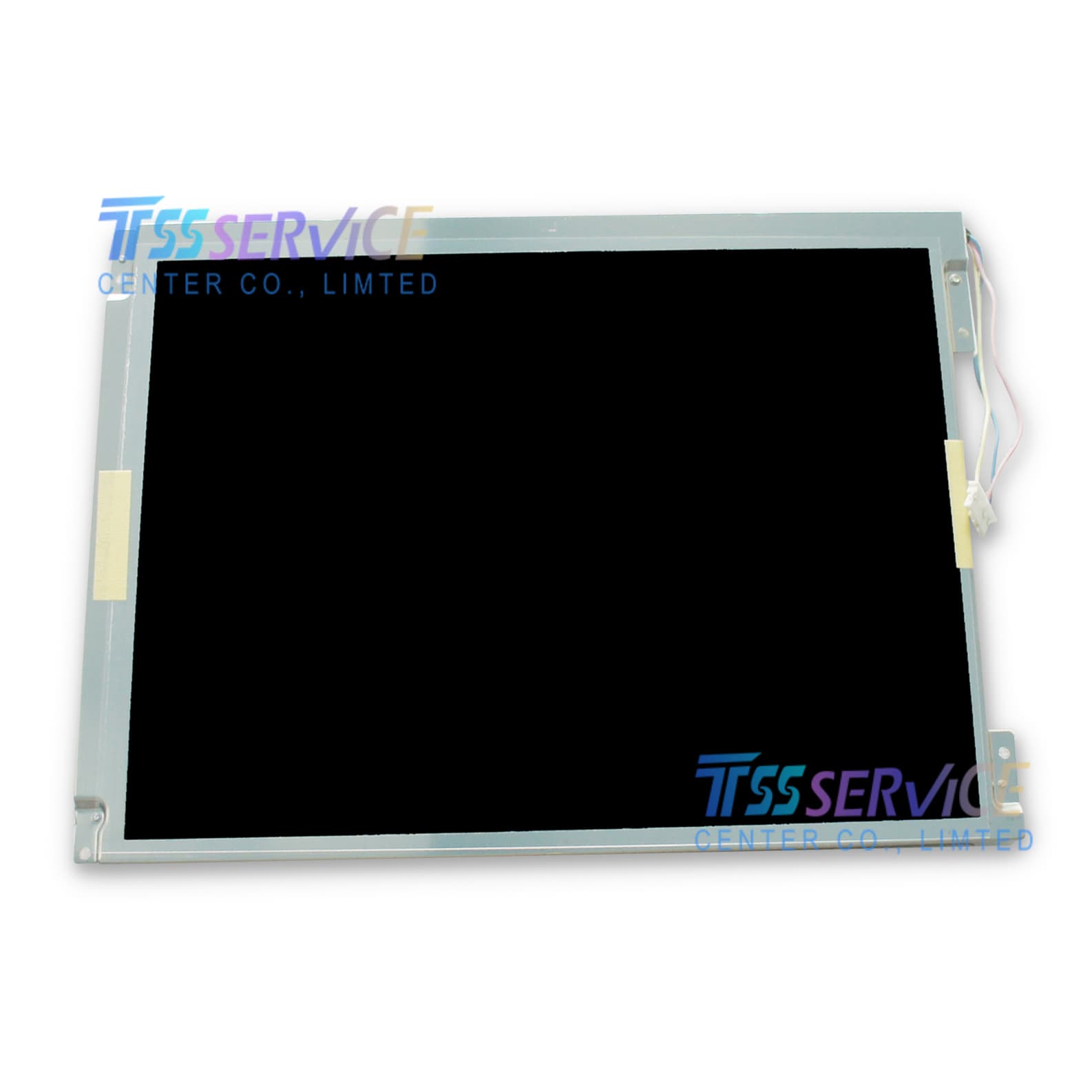
In the intricate world of industrial and embedded display solutions, finding a component that perfectly balances reliability, legacy compatibility, and performance is a significant challenge. This article delves into a critical component for maintaining and upgrading specialized systems: the LTD121C31T 12.1-inch a-Si TFT-LCD module. Designed as a direct replacement for displays in Toshiba equipment, this 800 x 600 SVGA panel is far more than a simple screen; it is a lifeline for critical machinery where system integrity is paramount.
We will explore its core technical specifications and design philosophy, understand its pivotal role in ensuring seamless compatibility within Toshiba's ecosystem, analyze its performance in demanding operational environments, and finally, provide key considerations for successful integration and sourcing. This deep dive aims to equip engineers, procurement specialists, and system integrators with the knowledge needed to make informed decisions about this essential display component.
Technical Architecture and Design Philosophy
The LTD121C31T is built on amorphous Silicon (a-Si) Thin-Film Transistor (TFT) technology, a mature and exceptionally reliable foundation for industrial displays. Its 12.1-inch diagonal active area with a standard 800 x 600 (SVGA) resolution offers a balanced combination of sufficient detail and excellent readability, which is crucial for human-machine interfaces (HMIs) that may be viewed from various angles or in suboptimal lighting. The 4:3 aspect ratio is a telltale sign of its heritage, designed to seamlessly replace displays in legacy systems without software scaling or interface alterations
Beyond the panel itself, the module incorporates a robust CCFL backlighting system. While newer panels may use LEDs, CCFL was the standard for its era, providing uniform, bright illumination with a long operational life. The design prioritizes electrical and mechanical form-factor compatibility above all. This means the pinout, voltage requirements, mounting holes, and overall dimensions are engineered to match the original Toshiba specifications precisely, ensuring a true "drop-in" replacement that minimizes engineering overhead and system downtime.
The Critical Role of OEM Compatibility
For proprietary systems, particularly in medical, industrial control, or specialized commercial equipment, a display is not a commodity. The LTD121C31T's primary value proposition is its certified compatibility with Toshiba hardware. Manufacturers like Toshiba often utilize custom interfaces, connector types, and firmware that expect specific display identification and timing characteristics. Using a non-compliant panel can lead to a cascade of issues—from simple "no signal" errors to distorted images, communication faults, or even damage to the controller board.
This module acts as a bridge, preserving the lifecycle of expensive capital equipment. It allows organizations to extend the service life of their Toshiba-based systems well beyond the original display's lifespan without undertaking a costly and risky full-system overhaul. The guarantee of compatibility protects the investment in the larger system, making the display a critical, system-sustaining component rather than a generic peripheral.
Performance in Demanding Operational Environments
Industrial and medical environments subject displays to stresses far beyond those of a typical office. The LTD121C31T is engineered for such challenges. Its operating temperature range is typically wider than that of consumer-grade panels, allowing it to function reliably in both hot and cold settings. The a-Si TFT technology itself is known for its stability and consistency over long periods of continuous operation, a necessity for equipment that may run 24/7.
The CCFL backlight, while requiring an inverter, provides high brightness levels capable of combating ambient glare in factory or clinical settings. Furthermore, the panel's viewing angles are optimized for the typical use cases of embedded systems, where the operator may not be directly centered. Reliability is the key metric here; this display is chosen not for cutting-edge color gamut or refresh rates, but for its predictable, unwavering performance that minimizes the risk of operational failure.
Integration Considerations and Sourcing Strategy
Successfully implementing the LTD121C31T requires careful planning. First, verification of the exact original part number and system model is essential. Integrators must confirm mechanical dimensions, connector orientation, and voltage requirements against their specific Toshiba unit. Second, as a legacy component, sourcing becomes a strategic exercise. It is crucial to procure from reputable distributors or specialists who can guarantee the authenticity of the module, provide technical datasheets, and offer traceability.
Potential buyers should be aware of the ecosystem surrounding this panel:
-
Inventory Availability: As a replacement part, stock levels can fluctuate.
-
Alternative Solutions: In some cases, modern LED-backlit or higher-resolution panels with adapter kits may be an option, but these introduce compatibility risk.
-
Long-term Support: Understanding the supplier's roadmap and commitment to supporting legacy industrial components is vital for future maintenance planning.
The LTD121C31T 12.1" TFT-LCD exemplifies the critical importance of precision-engineered replacement components in sustaining vital technological infrastructure. Its value lies not in standalone specifications, but in its guaranteed compatibility, robust design for harsh environments, and role in preserving capital investment. For professionals tasked with maintaining Toshiba-based systems, this module represents a reliable, low-risk solution that ensures continuity, performance, and system integrity for years to come.


