In the intricate world of industrial and embedded display solutions, the selection of a specific LCD panel often dictates the performance, reliability, and longevity of the final product. This article delves into a detailed examination of the LTD121C30S, a 12.1-inch a-Si TFT-LCD module designed as a direct replacement and upgrade component for legacy Toshiba equipment
In the intricate world of industrial and embedded display solutions, the selection of a specific LCD panel often dictates the performance, reliability, and longevity of the final product. This article delves into a detailed examination of the LTD121C30S, a 12.1-inch a-Si TFT-LCD module designed as a direct replacement and upgrade component for legacy Toshiba equipment. We will move beyond basic specifications to explore its technical architecture, the critical role of its interface compatibility, its performance in demanding operational environments, and its strategic value in modern industrial applications. Understanding this component is key for engineers, procurement specialists, and developers tasked with maintaining or enhancing systems where display integrity is non-negotiable.
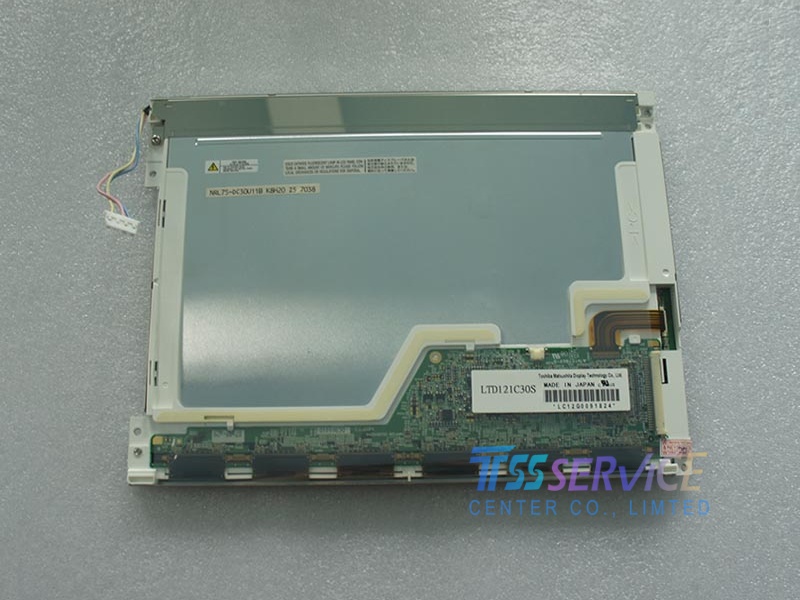
Deconstructing the LTD121C30S: Core Architecture and Specifications
The LTD121C30S is built upon amorphous Silicon (a-Si) Thin-Film Transistor technology, a mature and highly reliable process ideal for applications requiring stability over extreme longevity. Its 12.1-inch diagonal active area presents an 800 x 600 pixel SVGA resolution. This 4:3 aspect ratio is not an arbitrary choice; it is a deliberate match for the form factor of a vast generation of industrial machinery, medical devices, and point-of-sale systems originally designed with CRT or early-generation LCDs in mind. The panel typically offers a brightness level of 300-400 nits, ensuring adequate visibility in controlled indoor lighting, and supports a color gamut suitable for displaying diagnostic information, user interfaces, and data readouts with clarity.
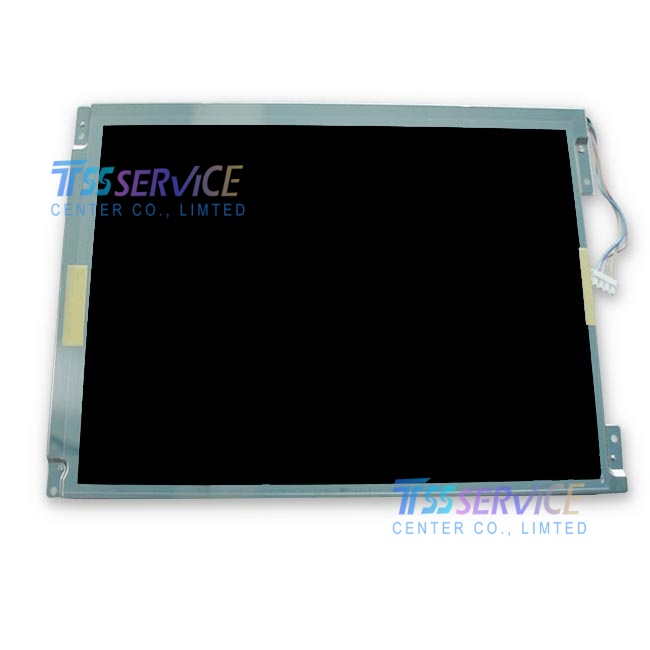
Fundamentally, this module is more than just a glass panel. It is a fully integrated system comprising the TFT array, a CCFL or LED backlight unit (with the latter being more common in modern iterations for longer life and lower power consumption), driver circuitry, and a robust metal or plastic frame. This integration is crucial, as it guarantees electrical and mechanical compatibility, allowing it to function as a true "drop-in" replacement, minimizing engineering rework for OEMs servicing older Toshiba-based platforms.
The Critical Link: LVDS Interface and Toshiba Pinout Compatibility
The true defining characteristic of the LTD121C30S, and the core of its value proposition, lies in its Low-Voltage Differential Signaling (LVDS) interface and its strict adherence to a specific Toshiba pinout configuration. LVDS is a serial communication standard favored in industrial applications for its robustness against electromagnetic interference (EMI)—a common challenge in factories or medical settings filled with motors and other electronic equipment. This noise resistance ensures signal integrity and a stable, flicker-free image.
However, LVDS is not a universal plug-and-play standard. The connector type, pin assignments, power sequencing, and data mapping are often proprietary or vendor-specific. The LTD121C30S is engineered to match the exact interface protocol of the original Toshiba panels it replaces. This includes:
-
Physical Connector: Matching the pin count, spacing, and latch mechanism.
-
Signal Mapping: Ensuring the RGB data channels, clock, and control signals are on the correct pins.
-
Power Requirements: Aligning with the host system's power supply output (typically 3.3V or 5V for logic and a higher voltage for the backlight).
This deep-level compatibility is what prevents system lock-ups, distorted images, or permanent damage, making the module a trustworthy component in critical repair and upgrade scenarios.
Engineered for Endurance: Performance in Harsh Environments
Industrial and medical displays are not consumer gadgets; they are assets deployed in environments that test the limits of electronic components. The LTD121C30S is designed with this reality in mind. Its operating temperature range typically spans from -20°C to 70°C, allowing it to function reliably in unheated warehouses or near heat-generating machinery. The use of a-Si TFT technology contributes to this thermal resilience, as it is less susceptible to performance degradation across wide temperature swings compared to some alternative technologies.
Furthermore, the module's construction accounts for prolonged operation. The backlight system is rated for tens of thousands of hours of life, a critical metric for equipment that may run 24/7. The surface treatment of the polarizer often includes anti-glare coatings to mitigate reflections under bright ambient light, and the overall assembly is designed to resist vibration and minor mechanical shock. This endurance transforms the LCD from a mere display into a mission-critical component, where failure can lead to costly downtime, safety issues, or interrupted workflows in settings like manufacturing control panels or patient monitoring systems.
Strategic Application: Beyond Simple Replacement
While the primary use case for the LTD121C30S is the direct replacement of failed or aging displays in Toshiba-heritage equipment, its role extends into strategic modernization. For Original Equipment Manufacturers (OEMs) and system integrators, this module provides a pathway to extend the product lifecycle of valuable capital equipment without a costly and complex full-system redesign. It enables the continuation of service and support for legacy systems that remain functionally sound but suffer from display obsolescence.
This application is vital in sectors with long depreciation cycles, such as:
-
Industrial Automation: Upgrading HMI panels on CNC machines, PLC interfaces, and process control stations.
-
Medical Equipment: Refreshing displays on diagnostic devices, patient monitors, and laboratory instruments to maintain compliance and usability.
-
Transportation and Infrastructure: Serving as a reliable display in fleet management systems, ticketing kiosks, or utility control panels.
By specifying the LTD121C30S, engineers solve an immediate hardware problem while also making a calculated decision for sustainable asset management, protecting investments and ensuring operational continuity.
The LTD121C30S 12.1-inch TFT-LCD exemplifies how a focused display solution delivers outsized value in industrial contexts. Its significance is rooted not in cutting-edge specs, but in its precise architectural compatibility, robust LVDS interface engineered for Toshiba systems, and proven endurance under demanding conditions. This module acts as a vital bridge, allowing critical legacy equipment to maintain functionality and reliability. Ultimately, understanding and utilizing such specialized components is a strategic imperative for professionals dedicated to sustaining and optimizing the technological backbone of industry.


