In the fiercely competitive world of retail, capturing consumer attention has become a high-stakes technological endeavor. This article explores a powerful synergy of two innovations transforming the physical store experience: the Transparent LED Window Display and the Virtual Fitting Room with Synced Outfits.
In the fiercely competitive world of retail, capturing consumer attention has become a high-stakes technological endeavor. This article explores a powerful synergy of two innovations transforming the physical store experience: the Transparent LED Window Display and the Virtual Fitting Room with Synced Outfits. We will delve into how the former acts as a dynamic, 24/7 billboard that mesmerizes foot traffic, while the latter redefines post-entry engagement by merging digital discovery with physical trial. Together, they form a seamless journey from sidewalk curiosity to personalized purchase, offering a compelling blueprint for the future of immersive, data-driven retail.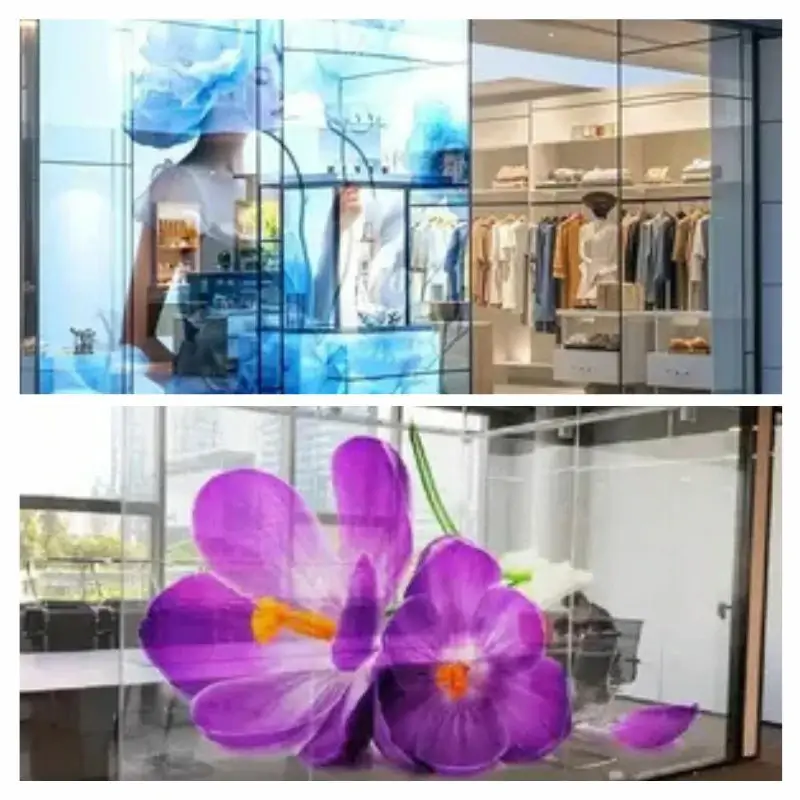
The Allure of the Digital Storefront: Stopping Power Redefined
Gone are the days of static mannequins and paper sale signs. The transparent LED display is a technological marvel that turns the entire store window into a vibrant, animated canvas. Its core genius lies in its dual function: when off, it remains a clear glass window, allowing an unobstructed view into the store. When activated, it overlays stunning high-definition video content—from swirling fabrics and runway shows to interactive games—directly onto the glass. This creates a mesmerizing, depth-filled illusion that is impossible for passersby to ignore. Unlike traditional displays, it doesn’t block the interior but enhances it, blending digital fantasy with tangible product glimpses. The result is a significant increase in dwell time at the window, effectively stopping foot traffic and converting casual pedestrians into potential customers poised to enter.
Beyond the Glass: Crafting a Cohesive Narrative Journey
The window’s role extends beyond mere attraction; it is the opening chapter of a brand’s in-store story. Savvy retailers use these displays not for random visuals, but to curate a narrative that flows seamlessly indoors. For instance, a window showcasing a virtual model cycling through different outfits in a Parisian backdrop sets a theme of effortless style and global inspiration. This narrative doesn’t end at the entrance. The displayed collections, color stories, and key items featured on the window are strategically mirrored and available within the store. This creates a powerful sense of continuity and fulfillment for the customer, who moves from digital aspiration to physical exploration without a jarring disconnect, thereby increasing the intent to engage further.
The Fitting Room Revolution: From Try-On to "Try-On Everything"
Once inside, the innovative journey continues at the most critical conversion point: the fitting room. The virtual fitting room, equipped with large touchscreen mirrors or AR-enabled tablets, solves perennial pain points—long queues, limited stock, and the hassle of undressing. Customers can browse the entire inventory digitally. The groundbreaking feature is the sync capability: outfits or items highlighted on the external window display can be recalled instantly with a tap, perhaps via a QR code or saved wishlist. This direct link turns window-shopping inspiration into immediate, effortless trial. The mirror uses augmented reality to superimpose garments onto the customer’s reflection, allowing for rapid style comparisons, size checks, and even accessory pairing in minutes, dramatically expanding the number of items tried.
Data-Driven Personalization: The Invisible Engine
This integrated system is powered by a sophisticated data engine that turns interactions into insights. The window display can be equipped with anonymous sensors to gauge demographic engagement (like age and gender estimation) and content effectiveness. Inside, the virtual fitting room captures invaluable data:
-
Items virtually tried on versus physically purchased.
-
Time spent on specific categories or colors.
-
Popular mix-and-match combinations created by users.
This data creates a closed-loop feedback system. Marketing teams can understand which window content drives the most fitting room sessions, and store staff can receive alerts to offer assistance or bring physical items, creating hyper-personalized service. Inventory management also benefits, revealing true demand for items often tried but rarely stocked in certain sizes.
Synchronized Ecosystems: Where Window Meets Wardrobe
The true magic and depth of this model lie in the synchronization between the two technologies. They are not isolated gadgets but parts of a unified retail ecosystem. A customer captivated by a dynamic athleticwear sequence on the window can walk directly to a designated "Window Spotlight" rack or, better yet, step into a fitting room where that exact sequence is pre-loaded as a curated digital lookbook. Staff, informed by the system, can proactively engage: "I see you enjoyed the hiking collection from our window. Would you like to feel the fabric of this jacket?" This seamless handoff from public spectacle to private, personalized experience deepens engagement, builds brand perception as innovative and customer-centric, and significantly boosts the likelihood of a multi-item purchase.
Measuring Impact: Foot Traffic, Dwell Time, and Conversion
Implementing such technology requires clear ROI metrics, which are tangibly measurable. Foot traffic can be tracked via entry sensors, correlated with specific window content cycles. Window dwell time is a direct metric of engagement quality. Most importantly, the conversion funnel from window engagement to fitting room use to final sale can be traced. Key performance indicators include:
-
Increase in overall store entry rates.
-
Higher average number of items tried per fitting room session.
-
Improved conversion rates for customers who use the virtual fitting room versus those who don't.
-
Reduction in abandoned fitting rooms due to size unavailability.
This data proves the system’s value not just as a novelty, but as a core driver of sales efficiency and customer satisfaction.
The fusion of transparent LED window displays and synced virtual fitting rooms represents more than a tech upgrade; it signifies a holistic reimagining of the retail journey. It bridges the gap between street-level attraction and in-depth, personalized engagement, creating a fluid narrative from first glance to final fit. For retailers, this synergy delivers actionable data, operational efficiencies, and a formidable competitive edge. For consumers, it offers entertainment, convenience, and a deeply personalized shopping experience. In an era where physical stores must offer what e-commerce cannot, this powerful combination doesn't just draw a crowd—it captivates, understands, and delights the individual within it, securing the store's relevance in the digital age.


