In the intricate world of electronic design and embedded systems, the display interface often serves as the critical bridge between complex machine operations and human interaction. For engineers and procurement specialists navigating the search for a reliable, readily available display module, the announcement of the TX14D12VM1CBB 5.7" LCD display being in stock is significant news. This specific model, with its 320(RGB)×240 resolution and compact form factor, is a key component in a wide array
In the intricate world of electronic design and embedded systems, the display interface often serves as the critical bridge between complex machine operations and human interaction. For engineers and procurement specialists navigating the search for a reliable, readily available display module, the announcement of the TX14D12VM1CBB 5.7" LCD display being in stock is significant news. This specific model, with its 320(RGB)×240 resolution and compact form factor, is a key component in a wide array of industrial, medical, and instrumentation applications.

This article provides a deep dive into the TX14D12VM1CBB, moving beyond basic datasheet specifications. We will explore its core technical architecture, analyze its ideal application environments, discuss the critical advantages of its immediate availability, and provide practical integration insights. Our goal is to offer a comprehensive resource that informs your component selection and project planning.
Decoding the TX14D12VM1CBB: Core Architecture and Specifications
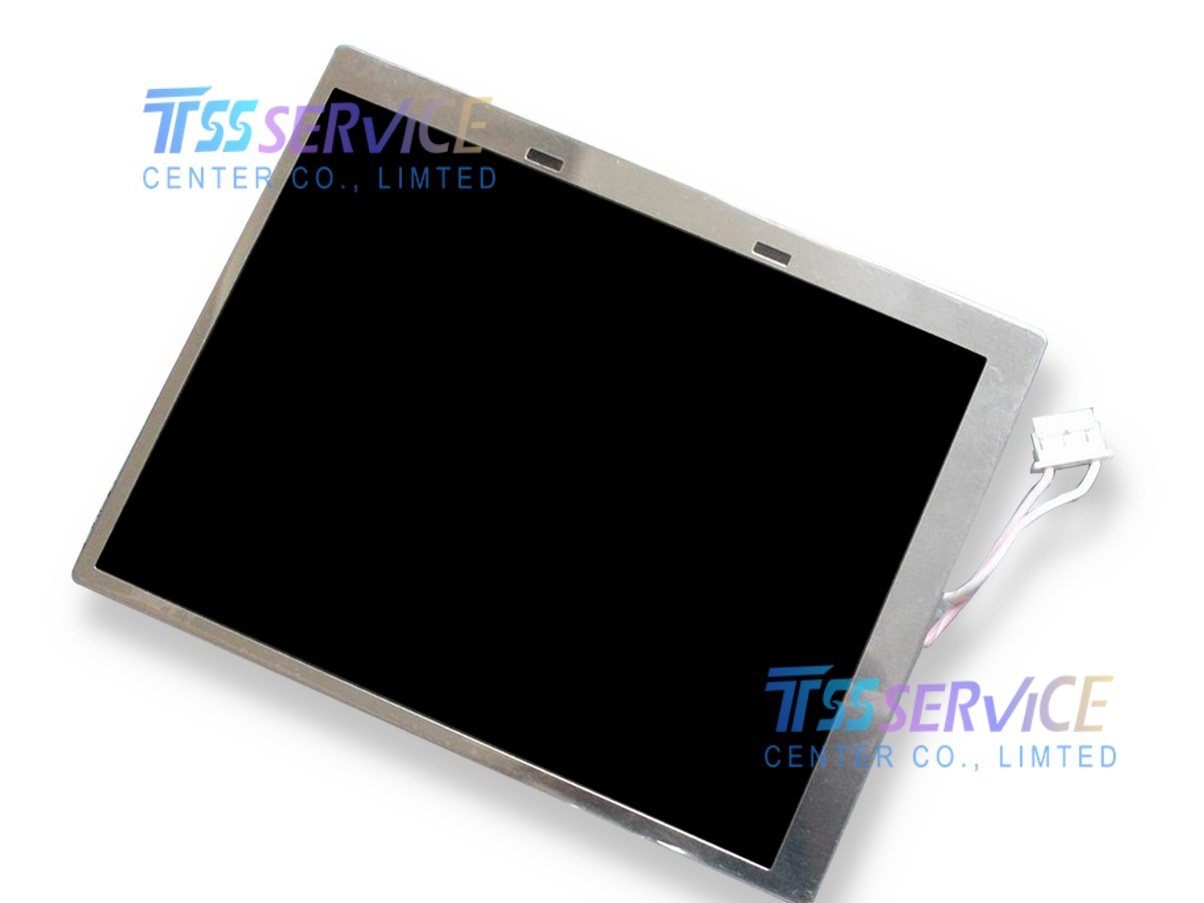
At its heart, the TX14D12VM1CBB is a 5.7-inch diagonal TFT LCD module with a native resolution of 320 horizontal pixels by 240 vertical pixels. The notation "RGB" in 320(RGB)×240 signifies a sub-pixel structure where each pixel comprises three sub-pixels (Red, Green, Blue), enabling full-color reproduction. This resolution, often associated with the QVGA standard, strikes a deliberate balance between display clarity, processing power requirements, and cost-efficiency for embedded systems.
The module's architecture is built for robustness and integration ease. It typically incorporates a high-brightness CCFL or LED backlight system, ensuring visibility in various lighting conditions. The interface is a critical factor; this module commonly features a parallel RGB or LVDS interface, providing a direct and high-speed data pathway from a host controller or CPU. Key specifications to note include its viewing angle characteristics, operating temperature range (often industrial-grade), and supply voltage requirements. Understanding these foundational elements is crucial for assessing its electrical and physical compatibility with your system design.
Strategic Application Environments: Where This Display Excels
The TX14D12VM1CBB is not designed for consumer multimedia but for demanding embedded applications where reliability and clarity are paramount. Its specifications make it a strategic choice for several key verticals. In industrial automation, it serves as the perfect human-machine interface (HMI) for programmable logic controller (PLC) panels, factory equipment dashboards, and test station readouts, displaying real-time metrics, control buttons, and diagnostic data.
Similarly, in the medical device field, this display is found in portable diagnostic equipment, patient monitoring systems, and laboratory instruments, where its size and reliability are assets. Other prime applications include:
-
Transportation and Automotive: In-vehicle infotainment systems for commercial vehicles, navigation units, or rear-seat displays.
-
Point-of-Sale (POS) and Kiosks: For compact terminal interfaces, self-service kiosks, and handheld payment devices.
-
Test and Measurement Equipment: As the primary visual output for oscilloscopes, signal generators, and environmental monitors.
In these contexts, the display functions as a durable and trusted component within a larger, mission-critical system.
The Critical Advantage of "In Stock": Mitigating Supply Chain Risk
In today's global electronics landscape, a component's technical merit is only one part of the equation. Its availability is equally, if not more, critical. The status of the TX14D12VM1CBB being in stock represents a substantial logistical and operational advantage. For product developers and manufacturers, this availability directly translates to reduced project timelines, as it eliminates the uncertainty and potential multi-month delays associated with long-lead-time or obsolete components.
Procuring an in-stock display module de-risks the entire production schedule. It allows for rapid prototyping, smoother transition from design verification to pilot runs, and the ability to fulfill customer orders or maintenance needs without interruption. This stability is a key factor in maintaining a competitive edge, ensuring that a finished product's time-to-market is not held hostage by a single component's shortage. Choosing an available part like the TX14D12VM1CBB is a proactive decision in supply chain management.
Integration and Sourcing Considerations for Engineers
Successfully implementing the TX14D12VM1CBB requires attention to both technical integration and supplier partnership. From a technical standpoint, engineers must ensure their host controller supports the module's interface protocol (e.g., parallel RGB timing). Designing the power supply circuitry to deliver clean, stable voltage to both the logic and backlight sections is essential for longevity and performance. Mechanical integration involves careful planning for mounting, bezel design, and connector strain relief.
On the sourcing side, partnering with an authorized or highly reputable distributor is paramount. Verify that the "in stock" status is current and that the supplier provides authentic, high-quality modules with full traceability. Inquire about technical support, availability of reference designs or driver code, and the long-term supply forecast for the product. A reliable supplier acts as an extension of your engineering team, providing not just a part, but the support needed to deploy it effectively and sustainably.
The TX14D12VM1CBB 5.7" QVGA display represents a robust, application-proven solution for a wide spectrum of embedded systems. Its immediate availability provides a crucial hedge against supply chain volatility, enabling faster development cycles and more reliable production. By understanding its technical profile, ideal use cases, and integration requirements, engineers and buyers can confidently select this module to create durable and effective human-machine interfaces. In a world where component selection is both a technical and strategic decision, choosing a capable, in-stock part like this is a step toward project success and market responsiveness.


