In the demanding landscape of industrial automation, medical imaging, and heavy machinery, the display screen is far more than a simple interface—it is the critical nexus between human operators and complex systems
In the demanding landscape of industrial automation, medical imaging, and heavy machinery, the display screen is far more than a simple interface—it is the critical nexus between human operators and complex systems. The VGG804806-6UFLWA LCD Display Screen has emerged as a specialized solution engineered to meet the rigorous demands of these environments. Unlike consumer-grade panels optimized for brightness and color saturation, this 8.0-inch industrial-grade display prioritizes reliability, longevity, and readability under extreme conditions. This article will explore the technical architecture, optical engineering, interface versatility, and operational durability of the VGG804806-6UFLWA. As industries increasingly rely on real-time data visualization and touch interaction in harsh settings, understanding the nuances of this component becomes essential for system integrators and procurement specialists seeking to balance performance with total cost of ownership.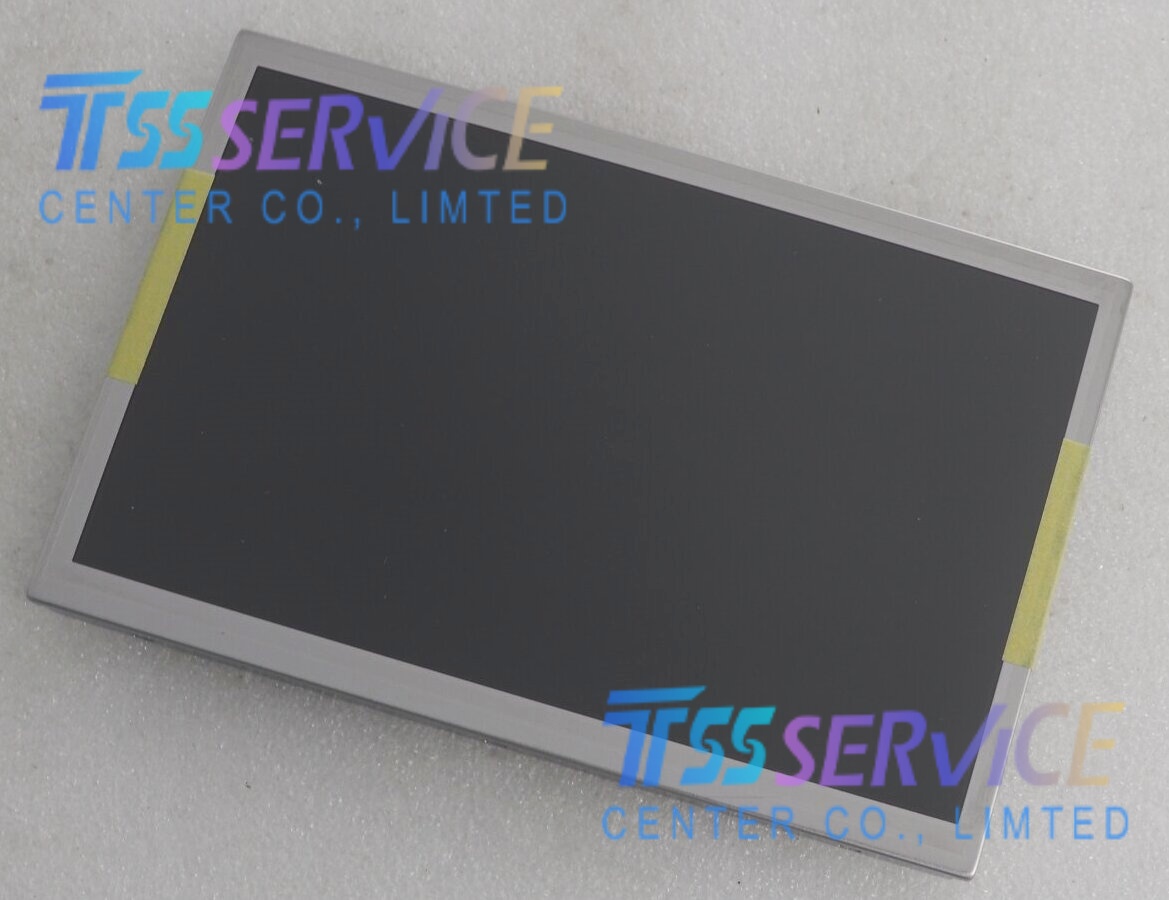
Optical Engineering and Visual Performance Under Pressure
The VGG804806-6UFLWA is distinguished by its 800x480 pixel resolution on an 8.0-inch diagonal active area, delivering a pixel density that balances informational clarity with power efficiency. However, the real differentiator lies in its optical stack design. The display employs a UV-resistant and anti-glare surface treatment, crucial for industrial environments where ambient lighting can fluctuate wildly—from dim control rooms to sunlit factory floors.
-
Luminance and Contrast: With a typical brightness of 500 cd/m² and a contrast ratio of 800:1, this panel ensures text and graphics remain legible even when subjected to high ambient light. This is achieved through a high-transmittance backlight unit that does not sacrifice color fidelity.
-
Viewing Angle Stability: Utilizing IPS (In-Plane Switching) technology, the screen offers 80/80/80/80 degree viewing angles (L/R/U/D). This is indispensable for panel-mounted interfaces where operators may not be directly centered, preventing inverted colors or washed-out images that plague TN panels.
-
Optical Bonding: Crucially, the VGG804806-6UFLWA often supports or is pre-configured with optical bonding between the cover glass and the LCD cell. This process eliminates the air gap, reducing internal reflections and preventing moisture ingress. The result is a reduction in surface glare by over 50% compared to standard air-gap designs, improving readability in bright areas without increasing backlight power consumption.
This optical architecture ensures that the visual data—whether a process flow diagram or a vital sign monitor—is presented with maximum fidelity and minimum operator eye strain over prolonged shifts.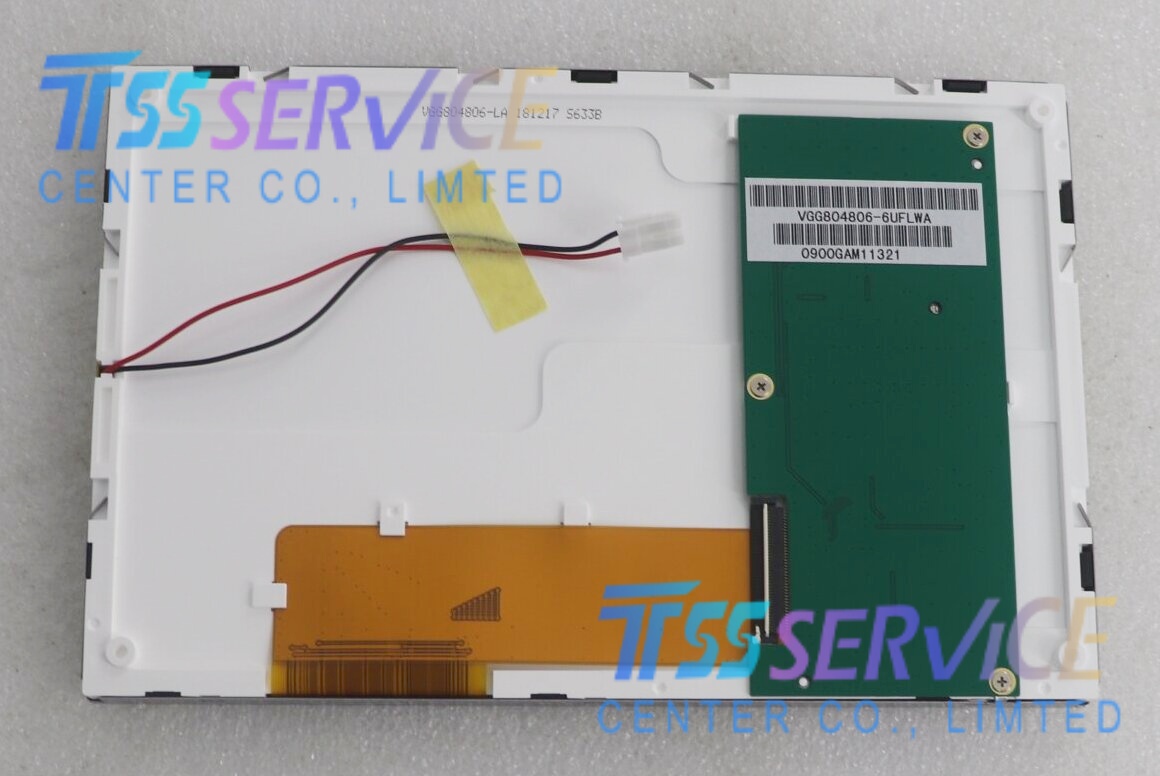
Interface Architecture and System Integration Flexibility
Beyond visual quality, the VGG804806-6UFLWA is defined by its robust interface compatibility, a feature that determines how seamlessly it integrates into existing industrial control ecosystems. The display standardly supports LVDS (Low-Voltage Differential Signaling), the predominant interface for embedded computing in industrial settings. This interface is chosen for its balance of high data throughput and noise immunity over short distances, critical in electrically noisy environments with motors and inverters.
-
Signal Integrity: The LVDS interface operates at a lower voltage swing, reducing electromagnetic interference (EMI) and crosstalk. This is paramount when the display is located in a cabinet alongside high-power drivers.
-
Backlight Management: The unit typically features an LED backlight with a dedicated driver circuit. Pin compatibility with standard 6-bit or 8-bit color controllers allows for straightforward implementation with single-board computers (SBCs) from Advantech or Axiomtek. The backlight boasts a rated lifespan of 50,000 hours (half-brightness), ensuring years of continuous operation without module replacement.
-
Touch Integration: While the base model is for display only, the VGG804806-6UFLWA is often paired with a 4-wire resistive or projected capacitive touch panel. The mechanical outline is designed to accommodate these overlays without increasing the footprint, preserving a slim bezel design for space-constrained panels.
This thoughtful interface design reduces engineering overhead for system developers, allowing them to focus on application logic rather than wrestling with display timing and signal conditioning.
Mechanical Resilience and Environmental Qualification
An industrial display must survive where consumer electronics would fail. The VGG804806-6UFLWA is built to a standard that reflects real-world deployment. The mechanical package utilizes a metal frame and mounting brackets, providing structural rigidity and efficient heat dissipation from the backlight. This is critical for enclosures with limited airflow.
-
Temperature Range: Certified for operation from -20°C to +70°C and storage from -30°C to +80°C, this display functions in unheated warehouses, refrigerated environments, or near industrial ovens without failure. The liquid crystal response time is optimized to prevent ghosting at low temperatures.
-
Vibration and Shock: The assembly is rated to withstand 1G of vibration (10-500 Hz) and 15G of shock (11ms duration). This is achieved through robust mechanical mounting and secure cable retention mechanisms, preventing loose connections or glass fracture in mobile equipment like forklifts or AGVs.
-
Ingress Protection: When installed with a front gasket, the display can contribute to an overall panel TFT (IP65) rating from the front side, protecting against dust and water jets—an absolute requirement for food processing or outdoor kiosk applications.
This environmental resilience ensures that the investment in the display hardware does not become a liability in the field, reducing the mean time between failures (MTBF) and associated maintenance costs.
Application Scenarios and Lifecycle Considerations
Understanding where and why the VGG804806-6UFLWA excels clarifies its value proposition. It is the ideal choice for Human-Machine Interfaces (HMIs) in CNC machinery, packaging lines, and building management systems. Its resolution is perfectly adequate for displaying animated schematics, alarm screens, and data dashboards without the overhead of driving a high-resolution 1080p panel, which often requires more expensive graphics controllers and memory.
-
Medical & Diagnostic Equipment: The optical bonding and anti-glare properties make it suitable for patient monitors and ultrasound portables, where clarity and cleanliness are paramount.
-
Embedded Systems: For developers using ARM-based or x86 SBCs, the LVDS interface and standard 40-pin connector reduce the need for custom carrier boards, accelerating time-to-market.
-
Legacy Upgrade Path: Many existing industrial panels use this exact mechanical and interface standard. The VGG804806-6UFLWA serves as a direct, drop-in replacement for older, obsolescent displays, extending the life of production machinery without a full control system overhaul.
-
Lifecycle Management: Crucially, this display is often manufactured with a long-term supply guarantee (typically 5-7 years), protecting industrial engineers from the disruptive "end-of-life" notices common in the consumer display market.
By choosing this module, system integrators secure a known, proven component that reduces debugging time, simplifies supply chain management, and ensures long-term product availability.
Conclusion
The VGG804806-6UFLWA LCD Display Screen represents a sophisticated convergence of optical clarity, mechanical toughness, and integration simplicity. It moves beyond the consumer paradigm of chasing pixel counts to deliver a purpose-built tool for the industrial sector. For engineers facing the challenge of designing an HMI that must operate reliably for a decade in a harsh environment, this display offers a documented, proven solution. By prioritizing readability in bright light, resilience to temperature extremes, and a stable interface standard, it minimizes the operational risks associated with display failure. Ultimately, selecting this component is an investment in system longevity and operator efficiency, reinforcing the principle that in industrial settings, the best display is the one you can forget is there—because it simply works, shift after shift.


