In an era dominated by high-resolution, ultra-wide, and touch-enabled consumer screens, the industrial sector operates under a different set of priorities. Reliability, longevity, and precise specification adherence often outweigh pixel density or aesthetic slimness.
In an era dominated by high-resolution, ultra-wide, and touch-enabled consumer screens, the industrial sector operates under a different set of priorities. Reliability, longevity, and precise specification adherence often outweigh pixel density or aesthetic slimness. The HannStar HSD150MX17-A02 stands as a testament to this philosophy. This 15-inch LCD panel, with its native resolution of 1024×768 (XGA), represents a critical component in a vast ecosystem of industrial machinery, medical equipment, and embedded systems. While the specifications may appear modest by modern smartphone standards, the engineering behind this panel speaks to a deeper truth: in industrial applications, the display is not a novelty but a functional tool. This article will dissect the HSD150MX17-A02 beyond its surface-level data sheet, exploring its technical architecture, its specific role in demanding environments, the logic behind its enduringly popular 4:3 aspect ratio, and its practical import for system integrators and maintenance professionals.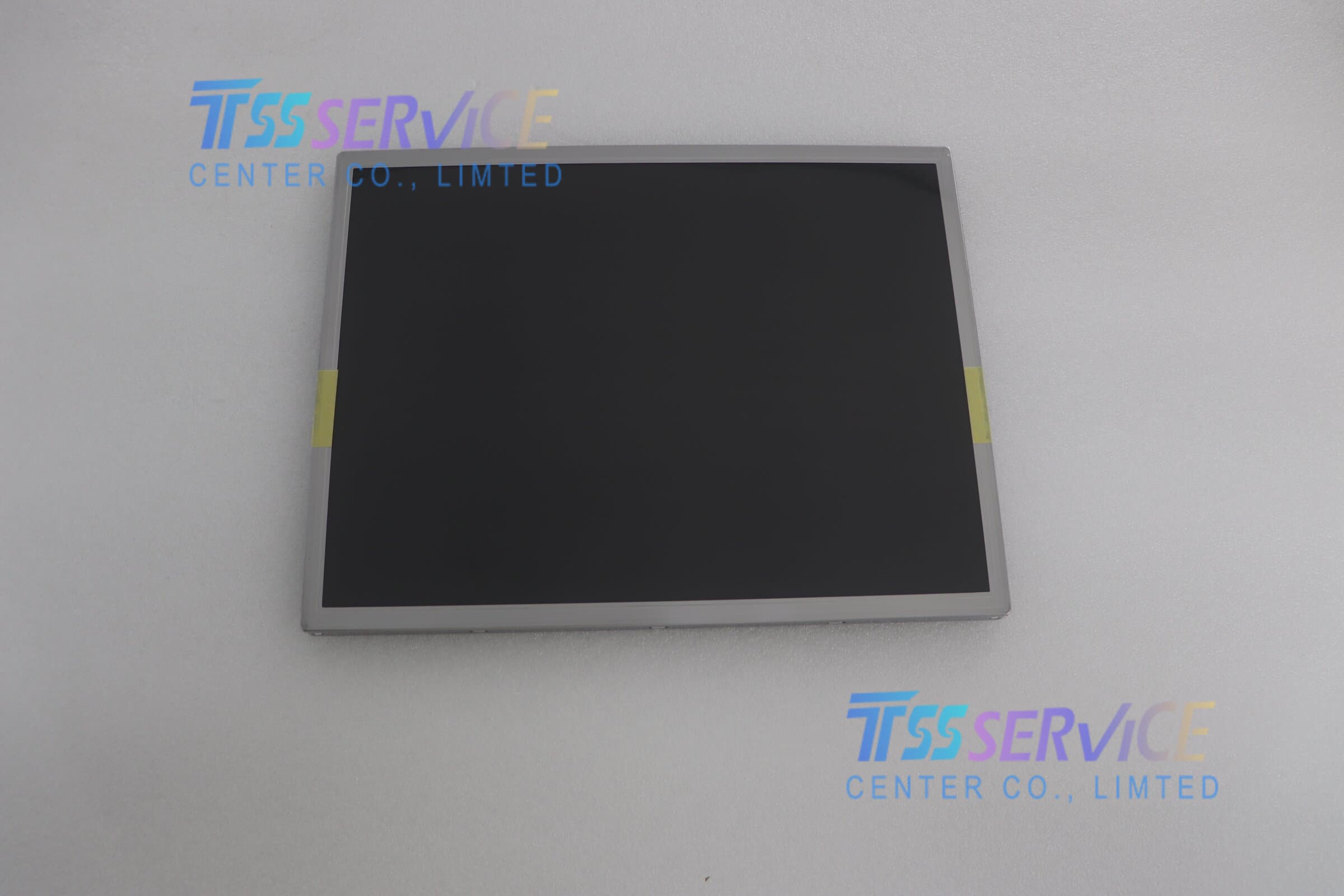
The Engineering Underpinnings of the HSD150MX17-A02
To understand the value of the HannStar HSD150MX17-A02, one must first look at its construction. This is not a mass-market display designed for a single product cycle; it is a 20-pin LVDS (Low-Voltage Differential Signaling) interface panel, a standard that ensures robust, noise-resistant data transmission over longer distances than consumer interfaces like eDP. This is critical in industrial enclosures where the display may be physically separated from the main control board. The panel utilizes a TN (Twisted Nematic) technology, which, despite being older than IPS, offers distinct advantages in this context. TN panels inherently possess faster response times and lower power consumption—two non-negotiable requirements for real-time process control monitors and battery-backed portable diagnostic gear.
The backlight system is equally deliberate. While the official documentation often lists a standard CCFL backlight for older batches, many units in circulation have been sourced or replaced with LED backlight upgrades that maintain the original electrical and mechanical footprint. This flexibility allows the panel to achieve a typical brightness of 250 to 300 cd/m², sufficient for indoor industrial control rooms without the glare issues of higher-lumen screens. Furthermore, the operating temperature range—typically from 0°C to 60°C—is not arbitrary; it is a calculated tolerance for fluctuating factory floor conditions, from cold storage environments to the ambient heat near heavy machinery.
Why the 1024×768 XGA Resolution Remains an Industrial Standard
The choice of a 1024×768 resolution on a 15-inch diagonal may seem outdated, but it is a deliberate and strategic decision for industrial systems. This resolution adheres to the 4:3 aspect ratio, a format that is perfectly suited for legacy industrial software. Many SCADA (Supervisory Control and Data Acquisition) systems, CNC machine interfaces, and medical imaging software were originally programmed at 4:3 dimensions. Using a 1024×768 panel ensures that these applications render natively without the distortion, letterboxing, or scaling artifacts that occur when stretching a 4:3 GUI onto a 16:9 widescreen display.
Moreover, from a human factors perspective, the XGA resolution provides a critical balance between information density and legibility. At 15 inches, 1024 pixels across allows for a comfortable font size for control buttons, alarm readouts, and numerical data. A higher resolution would shrink UI elements to the point of requiring reading glasses, while a lower resolution would waste screen real estate. This panel hits the "sweet spot" for an operator who needs to monitor six critical metrics at a glance from a distance of 18-24 inches. The pixel pitch of roughly 0.297mm creates sharp-enough text for data entry without causing eye strain during eight-hour shifts, a consideration often overlooked in modern display marketing.
Navigating the Lifecycle: Compatibility, Sourcing, and Longevity
For the industrial technician or procurement manager, the HannStar HSD150MX17-A02 is not merely a component; it is a lifecycle management asset. This panel is often cross-compatible with a wide range of other 15-inch XGA models from manufacturers like NEC, AU Optronics, and LG Philips. The standardized 20-pin LVDS pinout and standard 76.9mm × 46.45mm mounting hole pattern mean that this specific model can serve as a direct drop-in replacement for failing displays in older MRI consoles, pick-to-light systems, or high-end automated teller machines.
However, sourcing this unit requires a specific strategy. HannStar has transitioned production away from this model for new OEM equipment, meaning the supply chain is now dominated by new-old-stock (NOS) inventory and carefully tested refurbished units. When purchasing, a professional must verify the backlight type (CCFL vs. LED) and the specific revision number, as slight variations exist in power consumption and signal timing. The value here is that the panel's extended availability in secondary markets prevents obsolescence-driven system overhauls. A single $50 panel can keep a $50,000 diagnostic machine operational for another five to ten years. This economic reality makes the HSD150MX17-A02 a strategic purchase for maintenance budgets, allowing companies to delay expensive full-system migrations while maintaining operational reliability.
Conclusion
The HannStar HSD150MX17-A02 is far more than a list of outdated specifications; it is a carefully engineered workhorse designed for the specific demands of industrial continuity. Its TN technology and fixed XGA resolution were selected to meet the rigorous requirements of operator readability and legacy software compatibility, not to win a consumer popularity contest. For the system integrator and maintenance professional, this panel represents the cornerstone of a prudent lifecycle management strategy—offering interchangeability, predictable performance, and cost-effective reliability. In a world chasing the next generation of display technology, the HSD150MX17-A02 reminds us that the most intelligent design is often the one that disappears into the background, performing its critical function without fanfare for a decade or more.


