In the rapidly evolving landscape of industrial automation, medical instrumentation, and human-machine interface (HMI) design, the choice of a display is rarely a peripheral decision. It is a core architectural component that directly dictates user efficiency, system reliability, and operational safety. The
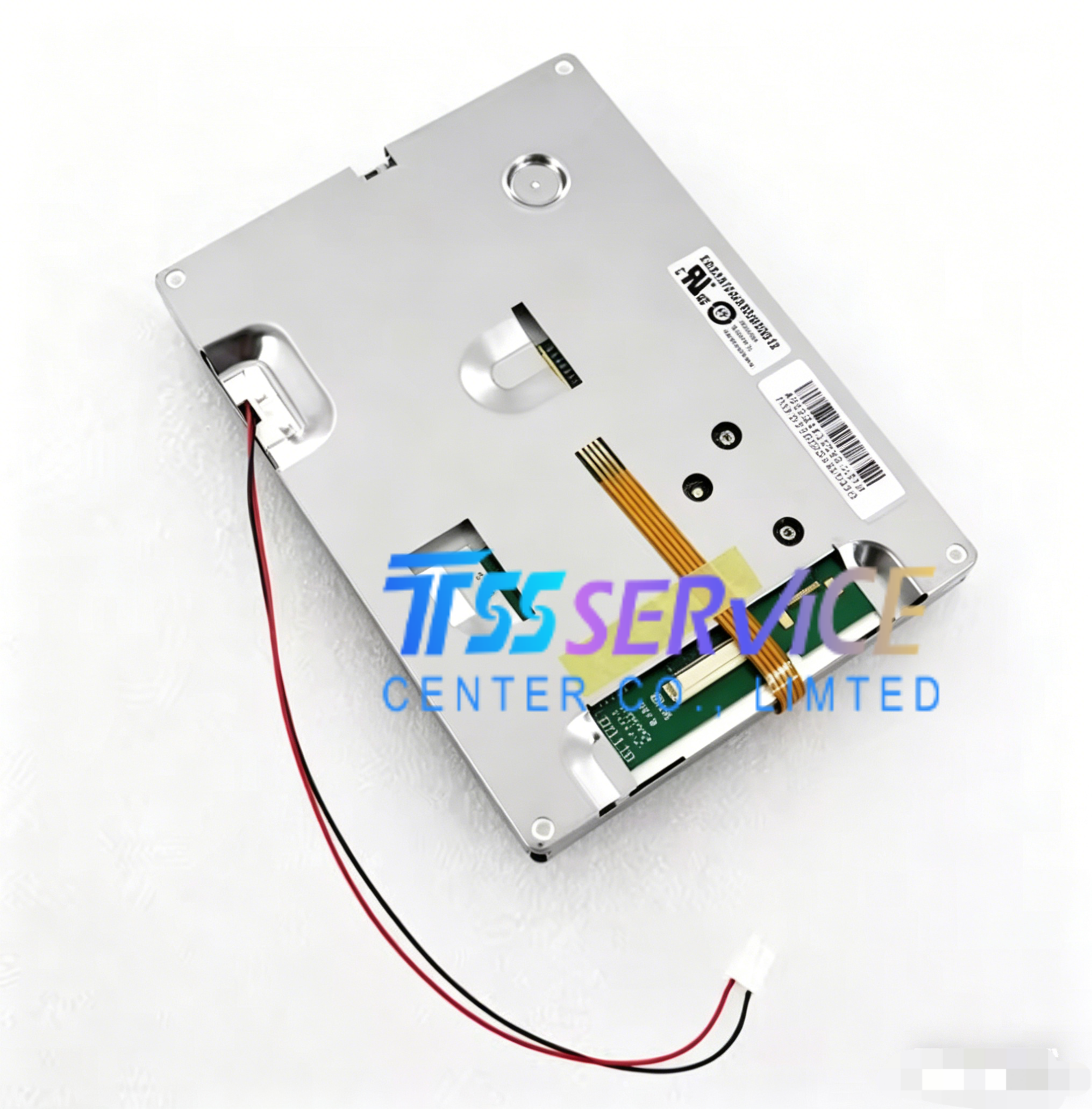
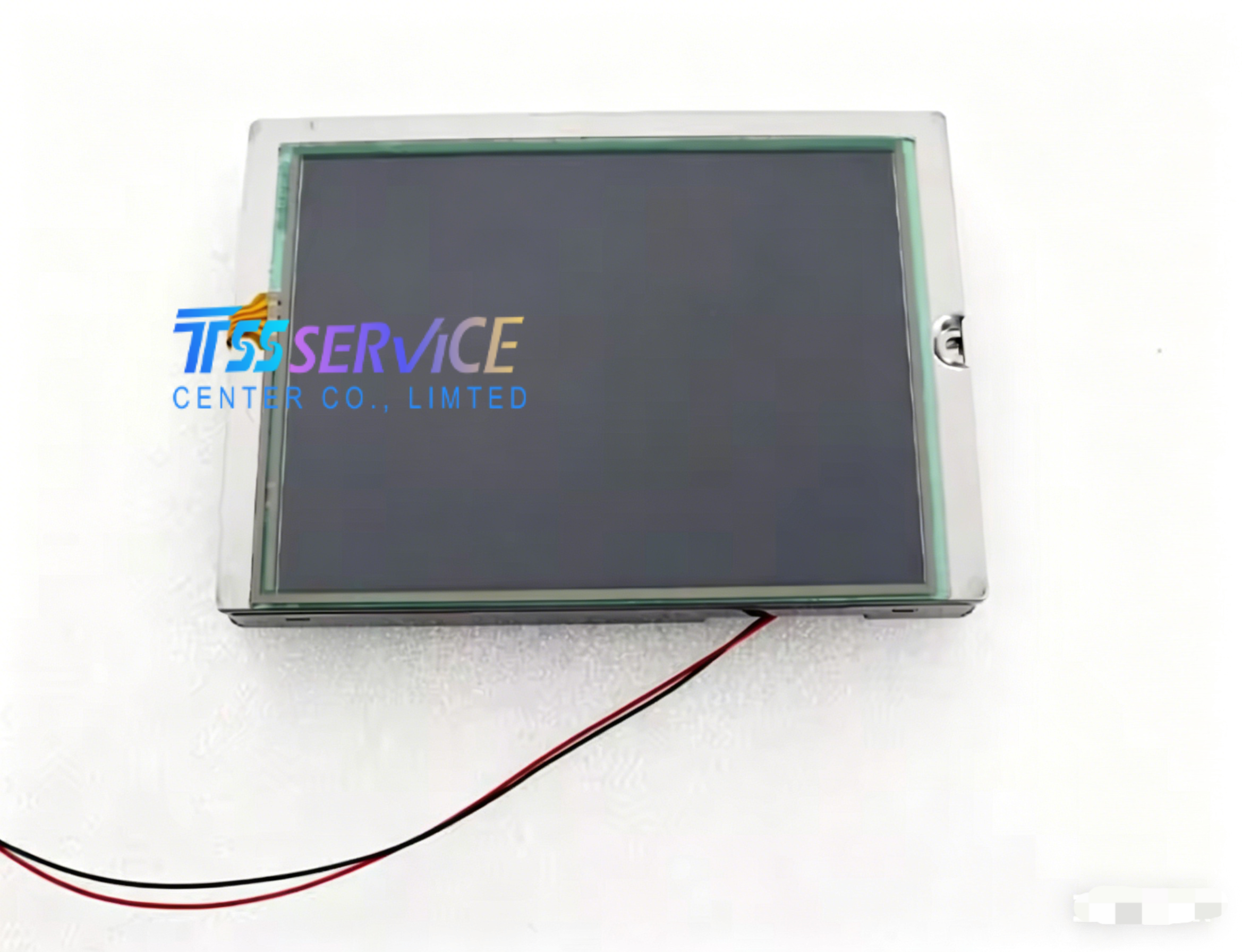
Data Image FG050700DSSWDG10,
a 5.7-inch LCD display module with an integrated resistive touch screen, represents a specific but critical intersection of legacy reliability and modern performance. While the market surges toward capacitive multi-touch and high-resolution panels, the FG050700DSSWDG10 anchors itself in environments where precision, durability under harsh conditions, and cost-effectiveness are paramount. This article delves beyond the spec sheet, examining the architectural nuances of this module. We will explore how its optical characteristics, touch interface, and mechanical integration serve specific industrial use cases, and why this "mature" technology remains a vital tool for engineers designing systems where a gloved hand, a splash of coolant, or a bright ambient light cannot be allowed to interrupt critical workflows.
The Optical Foundation: Performance Under Real-World Lighting
The visual performance of the
FG050700DSSWDG10 is defined not by gimmicks, but by deliberate engineering for challenging environments. At its core, the 5.7-inch diagonal display offers a resolution of 640x480 pixels (VGA), which at this screen size provides a perfectly adequate pixel density of approximately 140 PPI. For the intended uses—such as displaying machine status, process parameters, or patient vitals—this resolution avoids the unnecessary overhead of driving higher pixel counts, reducing processor load and cooling requirements in embedded systems.
The true differentiator lies in its
optical characteristics. With a typical brightness of
400 cd/m² (nits), this panel is designed to be legible in well-lit factory floors or outdoor kiosks shaded from direct sun. This brightness level, combined with a contrast ratio often cited around 500:1 (depending on the backlight driver), ensures that white text on dark backgrounds remains sharp. The viewing angles, typically 70 degrees in each direction (left/right/up/down), are consistent with standard TN technology. However, the module’s real-world advantage is often its surface treatment. Being a resistive touch model, it is almost always paired with an
anti-glare (AG) treatment on the outer touch layer. This diffuses ambient light reflections, which is a far more critical factor for usability than raw nits. A glossy screen with 1000 nits can be unreadable in a warehouse with overhead lighting; the FG050700DSSWDG10’s AG treatment ensures that the 400 nits of light actually reaches the operator’s eye rather than being washed out by reflections.
The Resistive Touch Interface: Why Legacy Technology Outperforms Modern Alternatives
In a consumer world dominated by capacitive touch, the inclusion of a resistive touch screen on the FG050700DSSWDG10 might appear as a step backward. In reality, it is a deliberate choice for environmental resilience. Resistive touch technology operates by sensing pressure across two conductive layers, which offers several profound advantages in specific sectors.
Firstly, input versatility is unmatched. Operators can activate this touch screen using:
-
A gloved hand (essential for cleanrooms, cold storage, or chemical handling).
-
A stylus, pen, or any non-conductive object.
-
A fingernail, which provides a hard point for precise input in vibrating machinery.
Capacitive screens, by contrast, require a conductive stimulus (a bare finger or a special capacitative stylus) and are notoriously difficult to operate with gloves. Secondly, resistive touch is
immune to surface contaminants. Water splashes, dust, grease, and oil do not register as false touches, a problem that plagues capacitive sensors in food processing or heavy machinery environments. Furthermore, the
FG050700DSSWDG10’s touch layer is typically a relatively simple, durable plastic or film-on-glass construction. While it offers lower light transmission than a glass capacitive overlay, this is compensated for by the panel’s 400-nit backlight. The trade-off—slightly reduced optical clarity for dramatically increased operational robustness—is a winning equation for applications where
ruggedness trumps aesthetics. The touch controller, usually a 4-wire analog type, also consumes minimal power and is cost-effective to replace or repair in the field.
Mechanical and Electrical Integration: Engineering for the Embedded World
Adopting the FG050700DSSWDG10 into a system requires understanding its mechanical footprint and electrical interface. The module is designed for panel mounting, typically via standard mounting brackets or an existing bezel. Its dimensions—approximately 145mm x 105mm for the active area—are a standard 5.7-inch form factor that has been a workhorse in the industrial display industry for two decades. This means that mechanical designs for legacy enclosures or custom sheet metal cutouts are well-documented and reliable.
From an electrical standpoint, the display uses a parallel 18-bit RGB interface (TTL). This is a critical consideration. While serial interfaces like LVDS or eDP are more common in modern consumer panels, the parallel RGB interface simplifies controller choices for many single-board computers (SBCs) used in industrial control, such as the BeagleBone Black, certain Raspberry Pi HATs, or specialized ARM Cortex-based boards. This interface allows for direct driving without expensive serialization chips. The touch screen connects via standard SPI or I2C bus, providing a simple path for host control. The typical power consumption, hovering around 5-7 watts for the backlight and logic, is easily managed by standard industrial power supplies. Engineers must pay careful attention to the backlight connector pinout (often 6-pin or 4-pin depending on the specific variant) and the PWM input for dimming. The module’s low power draw also makes it suitable for fanless systems, where reliability is dependent on passive cooling and minimal heat generation.
Application Suitability and Lifecycle Considerations
The FG050700DSSWDG10 is not a display for a smartphone or a car dashboard; it is a workhorse terminal for demanding jobs. Its ideal use cases are found in:
-
Industrial PLC HMIs: For monitoring conveyor belts, CNC machines, or assembly line sensors, where operators wear gloves and the environment is dusty.
-
Medical Monitors: For patient vital signs monitors or diagnostic equipment where a stylus is preferred for navigating clinical software and disinfectant sprays are used.
-
Retail POS Systems: In self-checkout kiosks or countertop terminals where a rugged, non-conductive stylus interaction or fingernail input is common.
-
Marine and Avionics Displays: Where salt fog, vibration, and varying temperatures demand a touch screen that will not ghost-touch in high humidity.
A crucial advantage of this module is its defined lifecycle. Data Image, as an original manufacturer, typically commits to long-term supply for these industrial-grade panels. Unlike consumer parts which can be obsoleted within two years, the FG050700DSSWDG10 is intended to be available for 5-7 years or more. This guarantees that a certified medical device or a critical manufacturing system will not face a display shortage mid-lifecycle. However, buyers must be aware of potential sunlight readability limits. While 400 nits is good for indoor industrial use, direct sunlight will wash out the image significantly. For outdoor applications, a specific optical bonding or a higher-brightness variant (if available) would be necessary. Within its intended scope, this display offers a predictable, reliable, and supportable path to market.
Conclusion
The
Data Image FG050700DSSWDG10 5.7-inch LCD with resistive touch screen is a testament to the fact that in specialized engineering, maturity is a feature, not a flaw. It forgoes the fleeting allure of high resolution and capacitive multi-touch to deliver a robust, reliable interface for the real world—a world of grease, gloves, vibration, and mission-critical uptime. By offering a bright, anti-glare display and a pressure-based touch system that thrives under contamination, it solves the problems that graceful consumer technology fails to address. For any engineer designing a system where the interface must be as rugged as the machine it controls, this module provides a proven, cost-effective, and lifecycle-stable foundation that directly translates to lower support costs and higher operator satisfaction.


