In the intricate world of electronic design, the display module often serves as the critical interface between user and machine. Selecting the right component is paramount, not just for visual fidelity but for system reliability and performance. This article delves deep into the G084SN05 V.7, an 8.4-inch TFT-LCD panel from AUO (AU Optronics), dissecting its technical DNA and practical applications. We move beyond basic datasheet specifications to explore what this 800 x 600 (SVGA) resolution
In the intricate world of electronic design, the display module often serves as the critical interface between user and machine. Selecting the right component is paramount, not just for visual fidelity but for system reliability and performance. This article delves deep into the G084SN05 V.7, an 8.4-inch TFT-LCD panel from AUO (AU Optronics), dissecting its technical DNA and practical applications. We move beyond basic datasheet specifications to explore what this 800 x 600 (SVGA) resolution, a-Si (amorphous Silicon) display truly offers engineers, procurement specialists, and product developers.
Our analysis is structured to guide you from core technology to integration strategy. We will first unpack the foundational architecture of the panel, then evaluate its optical performance and durability. Following this, we will examine its electrical and interface characteristics before culminating in a discussion of its ideal application ecosystems. This journey provides a comprehensive framework for assessing whether the AUO G084SN05 V.7 is the optimal visual engine for your next project.
Architectural Foundation: Decoding the a-Si TFT-LCD Technology
At the heart of the G084SN05 V.7 lies a mature yet highly reliable technology: amorphous Silicon Thin-Film Transistor (a-Si TFT) Liquid Crystal Display. This architecture forms the bedrock of its performance. Each of the 800 x 600 pixels on this 8.4-inch diagonal screen is controlled by its own tiny a-Si TFT switch, allowing for precise and rapid manipulation of the liquid crystal layer to produce an image. The choice of a-Si over alternatives like LTPS (Low-Temperature Polycrystalline Silicon) is a strategic one, prioritizing cost-effectiveness, manufacturing stability, and proven performance for mid-resolution displays.
The physical and interface attributes are designed for robust integration. The module features an outline dimension of 199.0mm x 150.0mm x 6.8mm and an active area of 170.88mm x 128.16mm, offering a balanced footprint for compact devices. It utilizes a standard LVDS (Low-Voltage Differential Signaling) interface, a ubiquitous and noise-resistant protocol that ensures clean signal transmission from the controller board. This technological foundation provides a predictable and stable platform, reducing engineering risk and simplifying the supply chain for long-term product runs.
Optical Performance and Rugged Reliability
Moving from internal architecture to user-facing performance, the optical characteristics of the G084SN05 V.7 define the user experience. The panel delivers a brightness of typically 1000 nits, a standout feature that makes it readily visible even under high ambient light conditions such as direct sunlight or bright indoor lighting. This is complemented by a high contrast ratio, ensuring deep blacks and clear differentiation between image elements.
Durability is engineered into its core. The module operates reliably across a wide temperature range, typically from -30°C to +80°C for storage and -20°C to +70°C for operation. This ruggedness makes it unsuitable for consumer tablets but ideal for demanding environments. Furthermore, its design incorporates strong resistance to vibration and shock, while the screen surface is often treated for hardness and anti-glare properties. These combined optical and rugged traits shift its application focus from consumer electronics to industrial, transportation, and outdoor use cases where readability and resilience are non-negotiable.
Electrical Integration and Signal Interface Nuances
Successful implementation hinges on a clear understanding of the module's electrical demands and communication protocol. The typically requires a single 3.3V power supply for the logic interface and a higher voltage LED backlight driver circuit (often in the range of 20-30V, depending on the backlight configuration). This simplifies power architecture design compared to panels requiring multiple analog voltage rails.
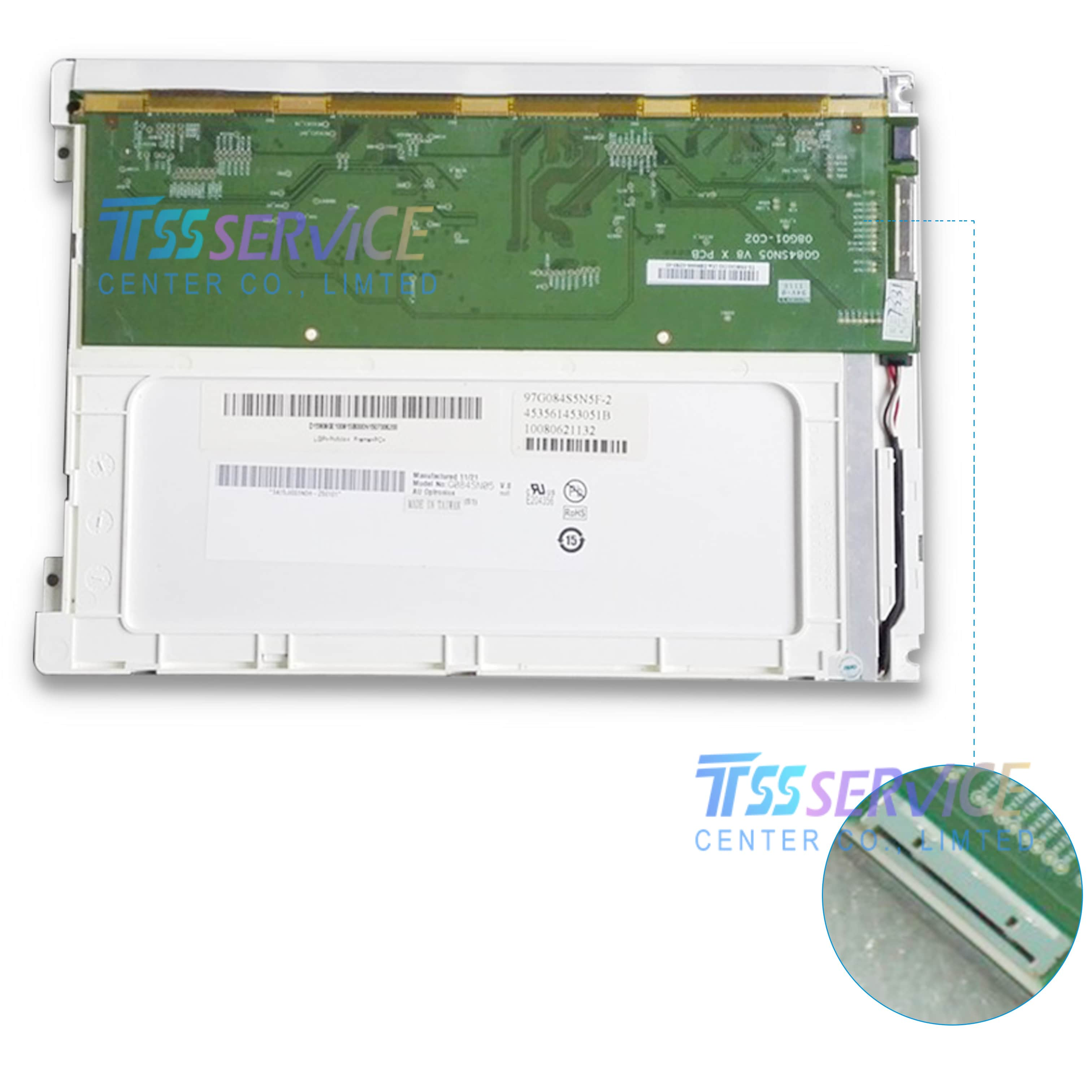
The LVDS interface is a critical component. This panel likely uses a standard 1-port or 2-port LVDS configuration with a specific pinout and clock frequency to support its SVGA resolution at a target refresh rate (e.g., 60Hz). Engineers must ensure their timing controller (TCON) or system-on-chip (SoC) can generate the correct LVDS signal format. Key considerations here include:
-
Signal Channel Mapping: Ensuring the RGB data is correctly mapped to the LVDS differential pairs.
-
Power Sequencing: Adhering to the recommended order of applying power to the logic board and backlight to prevent damage.
-
EMI Management: Proper PCB layout for LVDS traces to minimize electromagnetic interference.
Attention to these details ensures a stable, flicker-free display and long-term reliability.
Strategic Application Ecosystems and Selection Rationale
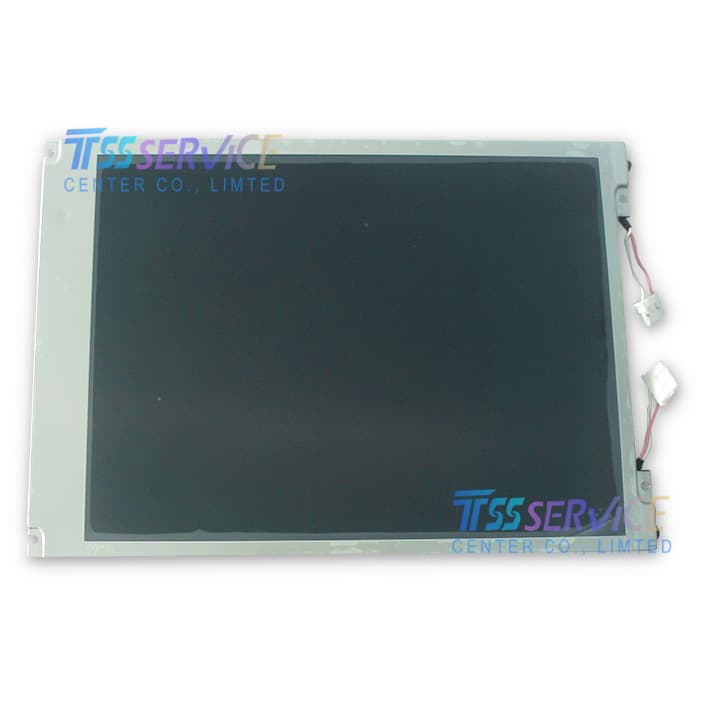
The specific combination of features of the AUO G084SN05 V.7 carves out a distinct niche in the component market. It is not a display for cutting-edge smartphones or high-end monitors. Instead, its value proposition shines in industrial, marine, heavy machinery, and point-of-sale systems. Think of factory automation HMIs, dashboard displays for agricultural or construction vehicles, control panels for medical equipment, or outdoor payment terminals.
Selecting this panel is a strategic decision based on several rational factors. Its high brightness and rugged spec address environmental challenges, while the mature a-Si TFT and LVDS interface ensure a stable, long-lifecycle component—a crucial consideration for products that may be in service for a decade or more. The 8.4-inch SVGA format provides sufficient information density without requiring excessive processing power or costly high-resolution interfaces. When product requirements call for readability in all conditions, extreme reliability, and a total cost-of-ownership perspective, the G084SN05 V.7 transitions from a simple component to a strategic asset enabling product success in harsh, mission-critical environments.
In summary, the AUO G084SN05 V.7 8.4-inch TFT-LCD is a purpose-built display module that excels through specialization. Its robust a-Si TFT architecture, exceptional high-brightness output, wide operating temperature range, and standard LVDS interface make it an engineering-centric solution. This panel finds its true calling not in mainstream consumer electronics but in demanding industrial and commercial applications where reliability under stress is paramount. For designers and engineers developing equipment for challenging environments, understanding and leveraging the specific strengths of this display can be a key factor in achieving product durability, usability, and long-term viability in the market.


