In the demanding landscape of industrial automation and embedded systems, the display panel serves as the critical interface between human operators and complex machinery. While consumer electronics often chase higher resolutions and vibrant colors, the industrial sector prioritizes reliability, longevity, and precise performance under adverse conditions
In the demanding landscape of industrial automation and embedded systems, the display panel serves as the critical interface between human operators and complex machinery. While consumer electronics often chase higher resolutions and vibrant colors, the industrial sector prioritizes reliability, longevity, and precise performance under adverse conditions. The Hitachi/KOE LMG7131PNFL, a 3.5-inch LCD panel with a native resolution of 240 × 200 pixels, stands as a testament to this specialized engineering philosophy. This article delves into the technical architecture, operational strengths, and strategic value of this specific display module. We will explore why this seemingly modest panel remains a preferred choice for applications ranging from CNC machine controls to medical diagnostic equipment, moving beyond mere specifications to understand the design trade-offs that make it a robust solution for mission-critical visual feedback.
Decoding the Legacy: Why Resolution and Size Matter in Industrial Contexts
At first glance, a 240×200 pixel resolution on a 3.5-inch diagonal screen appears archaic by modern smartphone standards. However, this specification is a deliberate choice rooted in functional necessity. The LMG7131PNFL utilizes a STN (Super Twisted Nematic) LCD technology, which is fundamentally different from the TFT-LCDs found in consumer devices. STN panels offer superior performance in extreme temperature ranges and provide excellent readability under direct sunlight when paired with a transmissive or transflective backlight. The 240×200 resolution is perfectly calibrated for character-based interfaces and simple graphic elements. It allows for the clear display of 20 lines of text and 40 characters per line in standard text mode, or the rendering of uncomplicated icons, bar graphs, and status indicators without the overhead of processing high-density bitmap images. This reduces the computational load on the host controller and ensures deterministic refresh rates, which is critical for real-time industrial monitoring where lag or frame drops are unacceptable.
Interface Architecture and Integration Flexibility
To truly appreciate the LMG7131PNFL, one must examine its electrical interface. This panel typically employs a parallel 8-bit data bus with standard control signals (E, R/W, RS). This interface is a legacy standard that offers distinct advantages in the industrial design cycle. First, it is controller-agnostic; any microcontroller with sufficient GPIO pins can drive this display without needing a specialized TTL-to-LVDS converter chip. Second, the protocol is exceptionally simple and well-documented, making it ideal for safety-critical systems where minimizing code complexity reduces the potential for software bugs. For engineers migrating from older Hitachi HD44780 or compatible controllers, the LMG7131PNFL feels like a natural progression. The panel’s timing diagram is forgiving, with generous setup and hold times, allowing for implementation with slower, low-power 8-bit processors. Furthermore, many third-party serial backpack modules exist to convert this parallel interface to I2C or SPI, providing a seamless upgrade path for systems that wish to reduce pin count without changing the display’s footprint or optical characteristics. This flexibility ensures the panel can be integrated into both new designs and legacy system retrofits with minimal engineering overhead.
Enduring Performance: Durability, Backlighting, and Environmental Tolerance
The operational longevity of the LMG7131PNFL is where its industrial pedigree truly shines. Unlike consumer displays that may use LED backlights with a lifespan of 20,000 to 30,000 hours, industrial panels like this one are engineered for continuous duty cycles. The CCFL (Cold Cathode Fluorescent Lamp) or high-brightness LED backlight options available for this module are designed to maintain luminance stability for over 50,000 hours at full brightness. More importantly, the STN LCD glass itself is resistant to image retention and color shift over time. The panel’s operating temperature range typically spans from 0°C to +50°C, with a storage range extending beyond -20°C to +60°C, covering the vast majority of factory floor and outdoor kiosk environments. The viewing angle, while narrower than a modern IPS display, is optimized for a 6 o'clock or 12 o'clock direction, meaning the image remains clearly readable when the operator is looking slightly downward or upward, a common ergonomic position in control panels. Additionally, its plastic bezel design is robust and offers simple drop-in mounting with standard cutouts, reducing manufacturing costs and assembly time.
Strategic Value: When to Choose the LMG7131PNFL Over Modern Alternatives
Given the prevalence of affordable TFT displays, why would an engineer specifically source the Hitachi/KOE LMG7131PNFL? The answer lies in lifecycle management and compatibility. Many industrial systems have a operational lifespan of 10 to 15 years, during which changing the display would require complete recertification of the device. The LMG7131PNFL offers a stable, unchanged physical footprint and electrical interface that allows for drop-in replacement of older, obsolete modules. Its pin-to-pin compatibility with legacy designs from other manufacturers makes it a safe investment for long-term production runs. Furthermore, for applications that do not require color or high-resolution graphics, such as basic alarm panels, flow meters, or simple HMI terminals, this panel provides the lowest total cost of ownership. It has no drivers that require updating, no complex backlight inverter circuits, and its components are widely available through industrial distributors. In a world of planned obsolescence, the LMG7131PNFL represents a counter-strategy: a component designed to remain functional, serviceable, and available for the entire life of the equipment it serves.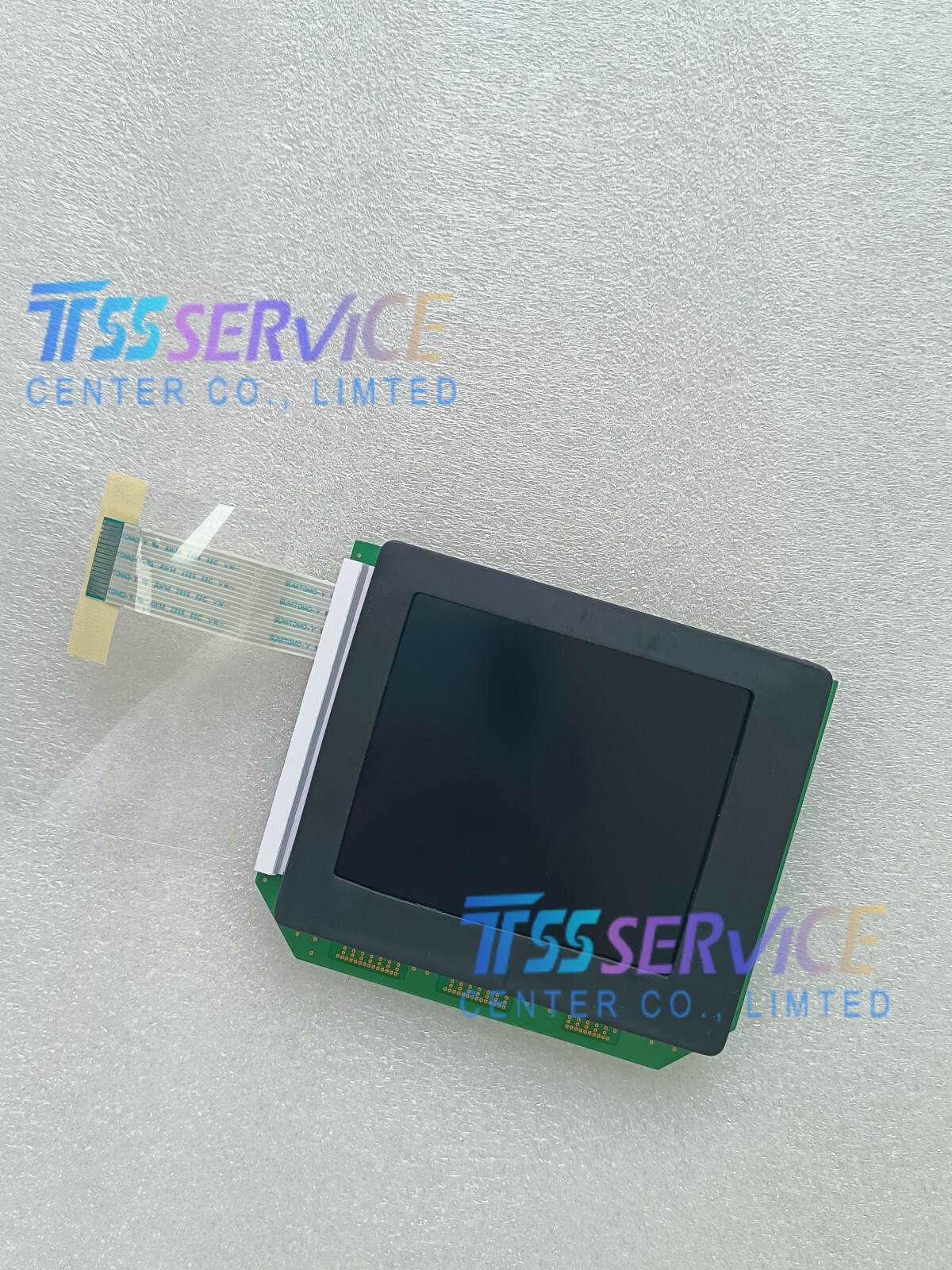
The Hitachi/KOE LMG7131PNFL is not merely a display; it is a proven component of industrial design philosophy prioritizing longevity and deterministic performance over fleeting consumer trends. Its 240×200 STN LCD technology delivers clarity where it counts, its parallel interface offers uncomplicated integration, and its durable construction ensures years of reliable service. For engineers tasked with building or maintaining systems that must operate flawlessly for a decade or more, this panel provides a stable, cost-effective, and readily available solution. Choosing the LMG7131PNFL is a strategic decision to invest in operational continuity rather than chasing resolution specifications, proving that in the industrial world, reliability is the ultimate form of quality.


