In the demanding landscape of industrial automation, the interface between human operators and complex machinery is not merely a convenience—it is a critical component of operational efficiency and safety. While the market is awash with consumer-grade displays
In the demanding landscape of industrial automation, the interface between human operators and complex machinery is not merely a convenience—it is a critical component of operational efficiency and safety. While the market is awash with consumer-grade displays, the specific requirements of industrial environments—extreme temperatures, continuous operation, and high ambient light—demand a fundamentally different engineering approach. The UMSH-7867WD-4CS 5.7-inch LCD panel emerges as a specialized solution within this niche, designed to bridge the gap between robust functionality and compact form factor. This article delves into the technical architecture, operational advantages, and integration capabilities of this specific display. Unlike generic panels, the UMSH-7867WD-4CS is engineered for mission-critical applications where visual clarity and durability are non-negotiable. We will explore how its specifications translate into tangible performance benefits, making it a preferred choice for embedded systems and Human-Machine Interfaces (HMIs) in the modern factory.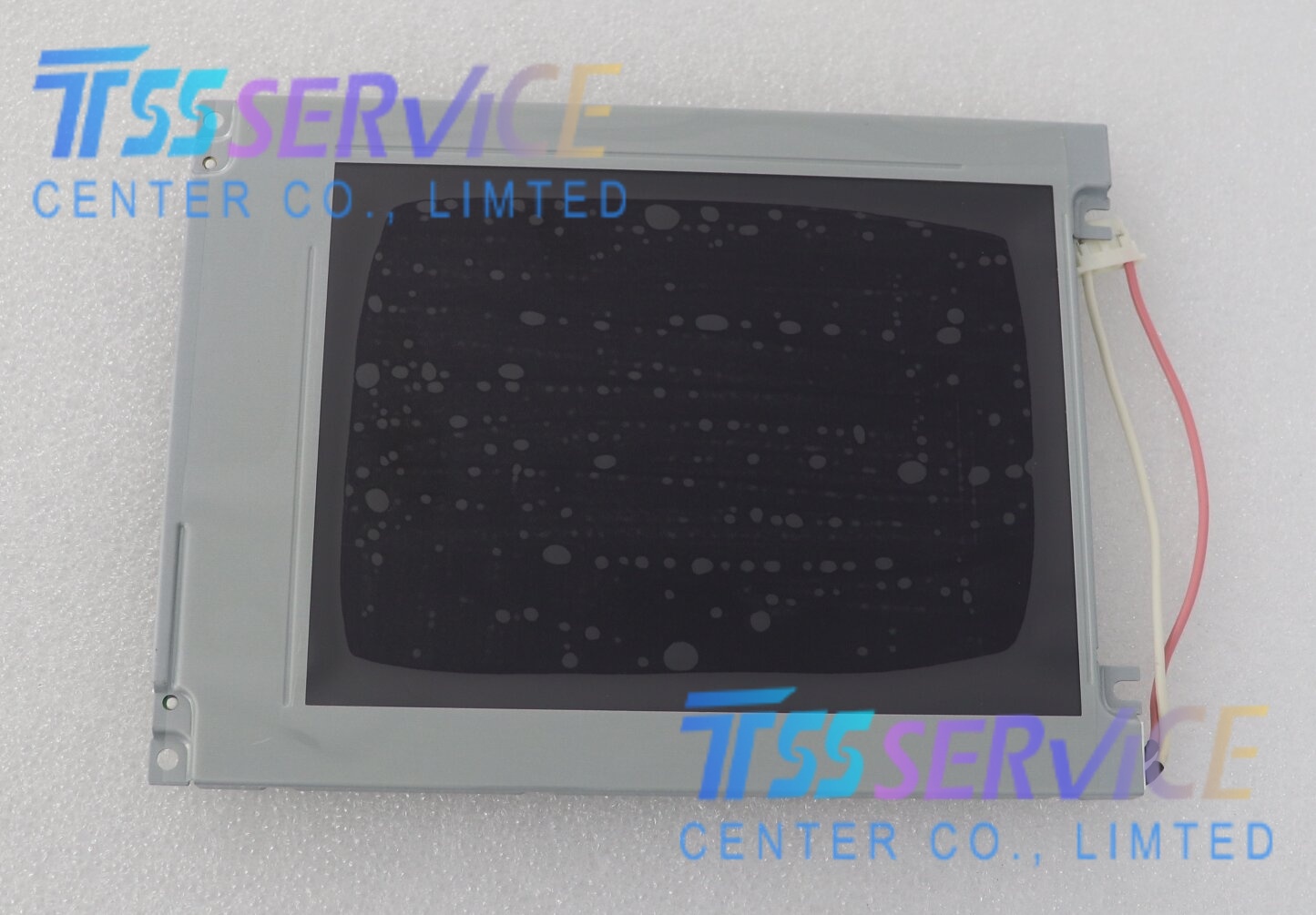
Architecting Durability: Engineering for the Industrial Theater
The core value proposition of the UMSH-7867WD-4CS lies not in its pixel count alone, but in its structural resilience. Industrial displays frequently operate under duress—vibration from heavy machinery, corrosive dust, and extreme thermal cycles. This panel addresses these challenges directly. It typically employs an Active Matrix Thin-Film Transistor (TFT) technology, ensuring stable image quality even under voltage fluctuations common in industrial power grids. The "WD" designation often indicates a wide temperature range, with operational specifications typically spanning from -20°C to +70°C, and in some configurations, even exceeding these limits.
Beyond thermal tolerance, the mechanical architecture is critical. The display is often integrated into a chassis that complies with Ingress Protection (IP) standards, shielding the delicate LCD glass from particulate ingress and liquid splashes. The 5.7-inch diagonal is a deliberate choice; it offers a compact footprint fitting into control panels, medical carts, or portable diagnostic equipment without sacrificing readability. Furthermore, the optical bonding process, frequently utilized in this class of display, eliminates the air gap between the cover glass and the LCD cell. This not only reduces glare and internal reflections—enhancing contrast in bright factory lighting—but also prevents condensation and reduces the risk of glass shattering under impact. This level of engineering specificity separates the UMSH-7867WD-4CS from a standard consumer display, guaranteeing reliable operation for 50,000 hours, which translates to years of 24/7 service.
Visual Clarity Under Pressure: Resolution, Brightness, and Viewing Angles
While durability ensures the display survives, visual performance ensures the operator remains effective. The UMSH-7867WD-4CS typically features a resolution of 640x480 pixels (VGA) or similar, which is highly appropriate for the 5.7-inch aspect ratio, offering a pixel density that renders text and basic graphics sharply without wasting processing power on superfluous detail. The critical differentiator, however, is luminance. Unlike a consumer tablet optimized for dim rooms, this panel is engineered for high ambient light. A typical brightness specification of 500 cd/m² (nits) or higher is standard, ensuring the display remains legible even under direct sunlight hitting a factory window.
Equally important is the viewing angle. The panel utilizes IPS (In-Plane Switching) or TFT-LCD technology, providing wide viewing angles of 160 degrees horizontally and vertically. This is crucial in industrial settings where operators may view the screen from different positions or where the screen is mounted at a non-optimal angle. Color saturation and contrast ratios are carefully calibrated for utilitarian clarity—prioritizing the differentiation of warning indicators (red, yellow, green) over aesthetic vibrancy. The anti-glare surface treatment further mitigates specular reflections, ensuring that critical data like pressure gauges or temperature readings are never obscured by an overhead light source. This fusion of high brightness, wide viewing angles, and anti-glare treatment makes the UMSH-7867WD-4CS a reliable window into the process it controls.
Seamless Integration: The Role of Controller Boards in Industrial HMI
A display panel, regardless of its quality, is only as useful as the system it plugs into. The UMSH-7867WD-4CS is rarely a standalone component; it is typically paired with a dedicated controller board. This board serves as the translation layer, converting digital video signals from the host processor (e.g., ARM, x86 embedded board) into the LVDS (Low-Voltage Differential Signaling) standard required by the panel. The choice of controller board determines the input interfaces available. Common configurations for this panel include VGA for legacy systems, DVI for digital clarity, and modern HDMI for compatibility with contemporary embedded computers.
The integration process requires attention to power management. The panel and its backlight (usually LED) require stable, clean power, often provided by the controller board or an external inverter. The beauty of the UMSH-7867WD-4CS architecture is its modularity. For original equipment manufacturers (OEMs), this means they can source the panel and then select a controller board that matches their specific CPU and I/O requirements. This flexibility reduces time-to-market for custom industrial equipment such as CNC control terminals, medical patient monitors, or marine navigation displays. Furthermore, the 5.7-inch form factor fits standard panel cutouts (e.g., 182x132mm), allowing for seamless retrofitting into existing enclosures without mechanical redesign. The panel's support for resistive or capacitive touch overlay adds a final layer of integration, enabling modern swipe-and-tap HMI interfaces that are sealed and gloved-hand friendly.
Strategic Application: Why Size and Robustness Matter for Embedded Systems
The final piece of the puzzle is understanding the strategic niche this display occupies. Why 5.7 inches when larger or smaller options exist? The UMSH-7867WD-4CS excels in embedded systems where real estate is at a premium but data density is critical. It is too small for a full dashboard but too large for a simple indicator panel. This makes it the ideal "sweet spot" for applications requiring a detailed status screen alongside physical buttons or a limited control panel. Common deployment scenarios include PLC (Programmable Logic Controller) interfaces, CNC machine control panels, and test and measurement equipment.
The robustness of the panel directly impacts the total cost of ownership (TCO). A standard consumer display might fail within six months in a dusty, warm manufacturing plant. The UMSH-7867WD-4CS, by contrast, is rated for continuous operation and is resistant to electromagnetic interference (EMI), which is essential in environments with heavy motors and inverters. From a usability perspective, the 4:3 aspect ratio is often preferred for industrial applications because it more naturally accommodates traditional control layouts, lists, and data grids than widescreen formats. In summary, this panel is not a component chosen for its aesthetic appeal; it is a strategic engineering choice designed to maximize system uptime, operator accuracy, and long-term reliability in harsh, mission-critical environments where a display failure constitutes a production halt.
The UMSH-7867WD-4CS 5.7-inch LCD panel represents a masterclass in industrial component design, prioritizing longevity and functional clarity over consumer-oriented metrics like high resolution or thinness. Its wide temperature tolerance, high brightness, and robust construction make it a reliable workhorse for embedded HMIs, CNC controls, and medical systems. By understanding its specific strengths in visual performance and modular integration, engineers can confidently deploy this display to reduce downtime and improve operator efficiency. In an era of smart factories, this panel proves that the most effective technology is often the one that is least noticed—seamlessly, silently, and consistently performing its critical task.


