In the demanding world of industrial technology, the display is often the critical interface between complex machinery and human operators. It is a component that must deliver unwavering reliability, crystal-clear visibility under harsh conditions, and seamless integration. This article delves into the Kyocera 4.3-inch LCD Panel Display TCG043WQLBAANN-GN50, a component engineered not for consumer convenience, but for industrial endurance.
In the demanding world of industrial technology, the display is often the critical interface between complex machinery and human operators. It is a component that must deliver unwavering reliability, crystal-clear visibility under harsh conditions, and seamless integration. This article delves into the Kyocera 4.3-inch LCD Panel Display TCG043WQLBAANN-GN50, a component engineered not for consumer convenience, but for industrial endurance.
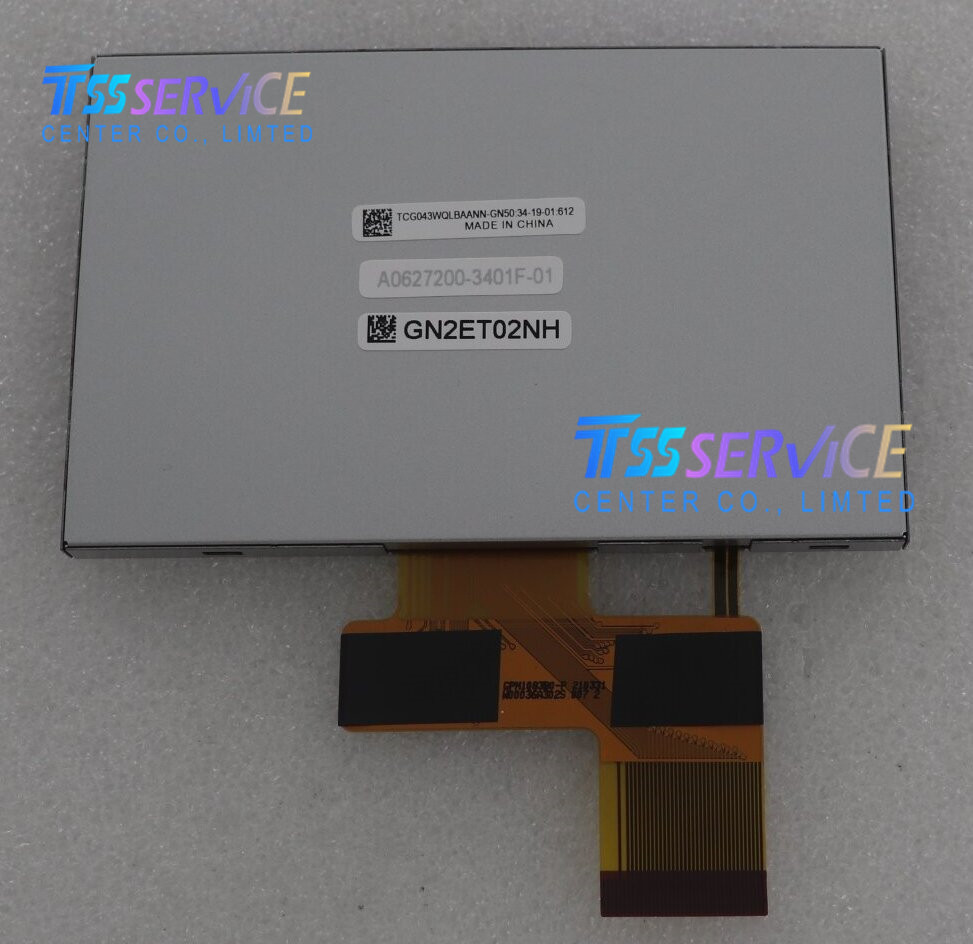
We will explore the unique value proposition of this specific display module, moving beyond basic specifications to understand its role in real-world applications. From its core technological strengths to its environmental resilience and integration considerations, this analysis provides a comprehensive guide for engineers, product designers, and procurement specialists seeking a display solution that prioritizes performance and longevity above all else.
Engineering for Extreme Environments: Core Durability Features
The TCG043WQLBAANN-GN50 distinguishes itself immediately through its foundational design philosophy: survival and stability. Unlike commercial-grade displays, this panel is built to withstand the rigors of industrial settings. Its operational temperature range is a key indicator, typically spanning from -30°C to +80°C. This ensures functionality in freezing cold warehouses and in proximity to high-heat machinery without image lag or discoloration.
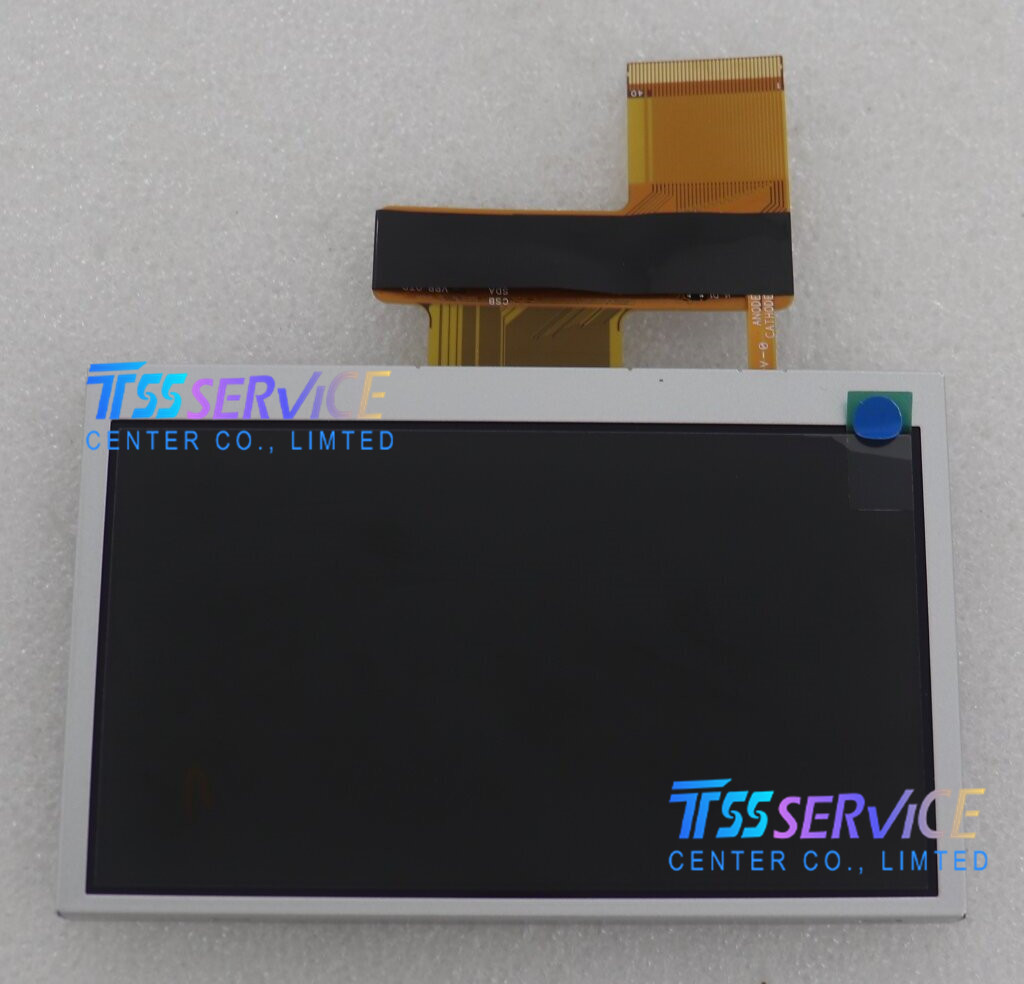
Furthermore, the display incorporates a robust construction that resists vibration and shock, common in manufacturing, transportation, and heavy equipment. The backlight system is designed for extended lifespans, often exceeding 50,000 hours, minimizing downtime and maintenance costs. This inherent durability is not an added feature but the core premise, making it a strategic component for systems where failure is not an option. The GN50 suffix in its model number often signifies specific enhancements in reliability and testing protocols, aligning with stringent industrial standards.
Visual Performance Under Pressure: Display Technology and Readability
Durability means little without superior visual performance. This Kyocera panel employs a TFT LCD (Thin-Film Transistor Liquid Crystal Display) with a resolution of 480 x 272 pixels (WVGA). While not ultra-high definition, this resolution is optimal for its size, providing sharp text, clear graphics, and legible user interface elements essential for control systems.
The true excellence lies in its optical characteristics tailored for challenging lighting. It offers a high brightness option, often reaching 500 nits or more, to combat washout in direct sunlight or brightly lit factories. Coupled with a wide viewing angle, it ensures information is accessible from various positions around a machine. Additionally, options for enhanced contrast ratios and anti-glare surface treatments are critical. These features reduce eye strain for operators during long shifts and guarantee that critical data—a pressure reading, a fault alert, a schematic—is instantly and accurately discernible in suboptimal conditions.
Seamless System Integration: Interface and Design Considerations
For engineers, a display is a subsystem that must integrate flawlessly into a larger whole. The TCG043WQLBAANN-GN50 excels here through its standardized yet flexible interface. It commonly features an LVDS (Low-Voltage Differential Signaling) interface, which provides robust, high-speed data transmission with low noise interference, crucial for the electrically noisy industrial environment.
The module is designed as a drop-in solution, with a compact form factor and precise mechanical dimensions that simplify mechanical design. Its long-term availability and stable supply chain—a hallmark of Kyocera's industrial components—protect against product lifecycle obsolescence. Designers must also consider:
-
Power Supply Requirements: Ensuring stable voltage for consistent performance.
Controller Compatibility: Pairing with an appropriate LCD controller for signal processing.
-
Customization Options: Potential for tailored bonding, touch screen overlays (resistive or capacitive), or special coatings.
This focus on integration reduces development time and risk for OEMs building specialized equipment.
Strategic Applications: Where This Display Creates Value
The specific attributes of this Kyocera panel define its ideal application landscape. It is not for smartphones or televisions, but for interfaces where performance trumps aesthetics. Primary use cases include:
-
Industrial Automation & HMI: As the primary touchpoint on PLCs, CNC controllers, and robotic cell operator panels.
-
Transportation & Heavy Equipment: In-cab displays for construction, agricultural, and forestry machinery, exposed to dust, shock, and temperature swings.
-
Medical & Diagnostic Devices: Where reliability and clear data presentation are paramount, though requiring appropriate medical certifications.
-
Utility & Infrastructure Monitoring: For outdoor kiosks, power substation controls, and environmental monitoring systems.
In each scenario, the display acts as a reliable portal. Its value is measured in reduced operational downtime, fewer operator errors due to poor visibility, and the extended service life of the equipment it serves. Choosing this panel is an investment in system integrity.
The Kyocera TCG043WQLBAANN-GN50 is far more than a simple screen; it is a purpose-built industrial component that marries visual clarity with rugged endurance. Its value lies in enabling critical human-machine interactions in environments where standard displays would falter. For engineers designing the backbone of industry—from factory floors to remote infrastructure—this display represents a reliable, high-performance choice that ensures clarity under pressure and longevity over the long term, ultimately contributing to the resilience and efficiency of the systems it empowers.


