In the intricate world of industrial and embedded display solutions, the selection of a specific panel model often signifies a commitment to reliability, precision, and seamless integration within a larger system. The AA084VC06 8.4" a-Si TFT-LCD Panel, engineered for compatibility with Mitsubishi systems, stands as a prime example of such a critical component
In the intricate world of industrial and embedded display solutions, the selection of a specific panel model often signifies a commitment to reliability, precision, and seamless integration within a larger system. The AA084VC06 8.4" a-Si TFT-LCD Panel, engineered for compatibility with Mitsubishi systems, stands as a prime example of such a critical component. This article delves beyond the basic datasheet specifications to explore the unique value proposition of this display module.
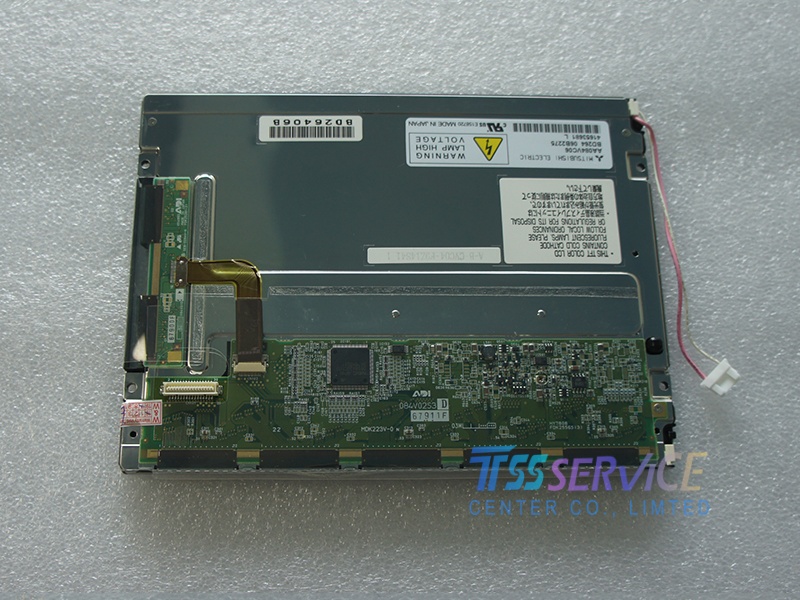
We will examine its core technological attributes, the specific application environments where it excels, and the key integration considerations for engineers and procurement specialists. By understanding the nuanced role of the AA084VC06, stakeholders can make informed decisions that enhance product performance and longevity in demanding operational contexts.
Core Technical Architecture and Performance Profile
The foundation of the AA084VC06's utility lies in its deliberate technical construction. The panel features an 8.4-inch diagonal viewable area with a native resolution of 640 x 480 pixels (VGA). This 4:3 aspect ratio is not an outdated relic but a strategic choice for countless industrial machines, medical devices, and control panels where information is displayed in structured, often monochromatic, formats. The use of amorphous-Silicon (a-Si) TFT technology ensures a robust and cost-effective solution with excellent longevity and stability under continuous operation.
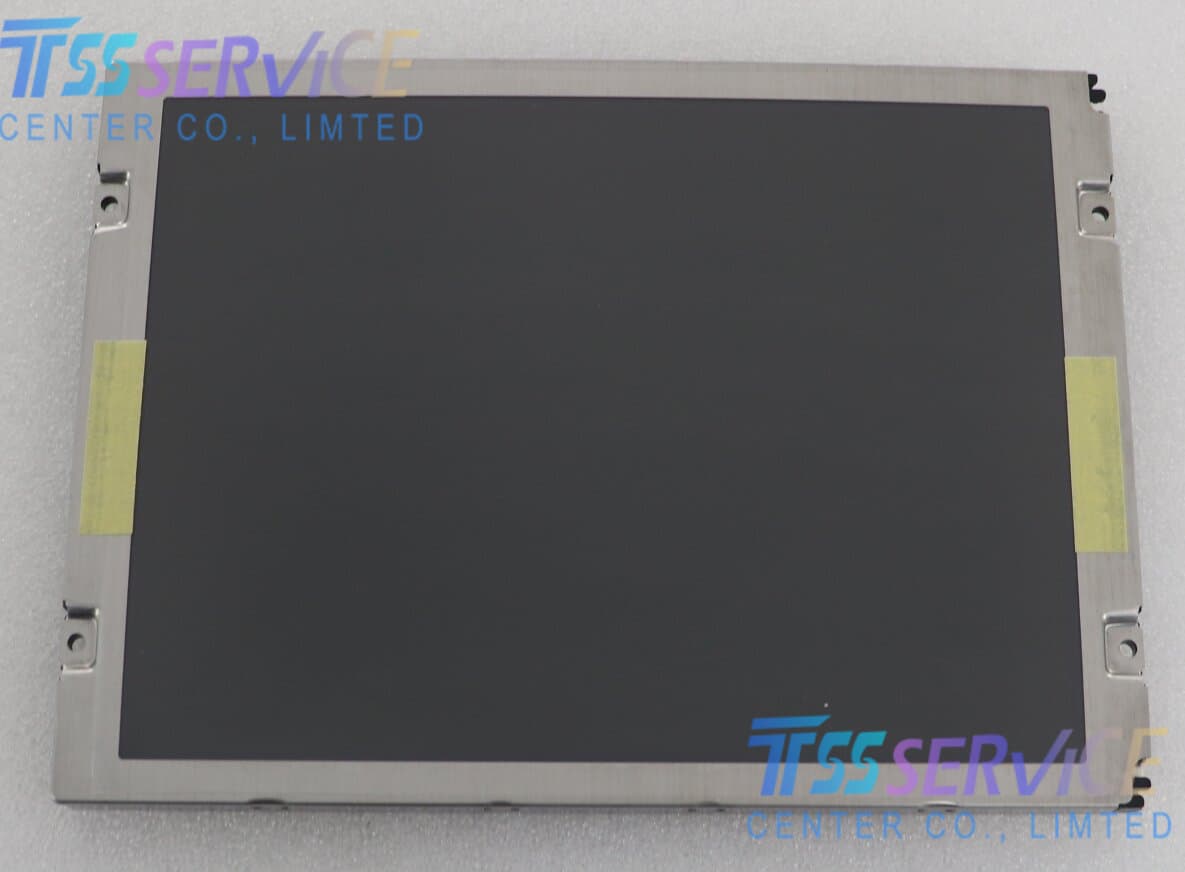
Key performance parameters include a standard brightness level suitable for indoor environments, a wide operating temperature range crucial for industrial settings, and a high contrast ratio that ensures legibility. The inclusion of a CCFL backlight (typical for this panel type) provides uniform illumination. This specific combination of size, resolution, and proven technology creates a display that prioritizes functional clarity and operational resilience over the high refresh rates and color saturation demanded by consumer electronics.
Targeted Applications and Operational Environment Suitability
The AA084VC06 is not designed for general-purpose use; its value is unlocked in specific, often demanding vertical markets. Its primary destiny is within Mitsubishi-specific industrial automation equipment, such as programmable logic controller (PLC) interfaces, CNC machine tool displays, and factory automation control terminals. Here, its reliability and direct compatibility are paramount.
Beyond this, the panel's characteristics make it suitable for a range of embedded applications:
-
Medical Monitoring Devices: Where consistent, flicker-free display of patient vitals and data is critical.
-
Test and Measurement Equipment: Providing clear readouts for oscilloscopes, spectrum analyzers, and other diagnostic tools.
-
Transportation and Avionics: Serving as a display for auxiliary systems where sunlight readability and temperature tolerance are factors.
In these environments, the panel's resistance to electrical noise, vibration, and extended runtime is far more valuable than ultra-high resolution.
Critical Integration and Compatibility Considerations
Specifying the AA084VC06 necessitates a thorough understanding of its integration pathway. As a panel designed for Mitsubishi, it often interfaces with proprietary controller boards or specific driver ICs from the same ecosystem. Engineers must pay close attention to the mechanical outline dimensions, mounting hole positions, and connector type (typically a LVDS interface) to ensure a perfect physical and electrical fit within the host device's chassis.
Furthermore, the power sequence requirements, signal timing, and backlight inverter specifications must be meticulously adhered to in the system design to prevent premature failure or display artifacts. Sourcing is another crucial consideration; ensuring the panel is obtained through authorized or highly reputable distributors is essential to avoid counterfeit components that could jeopardize entire projects. This stage transforms the panel from a commodity into an integral, functioning part of a reliable system.
The Strategic Advantages in System Design and Lifecycle Management
Choosing a specialized component like the AA084VC06 confers several strategic advantages beyond initial functionality. First, it significantly reduces design risk and validation time. Using a panel with known performance and compatibility within a Mitsubishi framework simplifies the engineering process. Second, it enhances long-term system maintainability.
For OEMs building equipment with multi-decade lifecycles, the availability of a stable, long-life display module is critical for repairs and spare parts. The mature a-Si TFT process means the panel is less susceptible to abrupt obsolescence compared to cutting-edge consumer displays. This decision supports a philosophy of sustainable design, where the total cost of ownership and operational uptime outweigh the allure of cheaper, less suitable alternatives.
The AA084VC06 8.4" TFT-LCD panel exemplifies how a purpose-built component delivers superior value in specialized applications. Its strength lies in its optimized VGA resolution, robust a-Si construction, and engineered compatibility with Mitsubishi systems, making it a cornerstone for reliable industrial, medical, and embedded interfaces. Successful implementation hinges on meticulous attention to integration details and sourcing integrity. Ultimately, selecting this panel is a strategic investment in system reliability, streamlined design, and long-term operational stability, proving that in specialized technology, precision and suitability triumph over generic specification.


