In the realm of industrial automation and heavy machinery, the display is not merely a peripheral; it is the primary conduit for human-machine interaction. While consumer electronics chase bezel-less designs and 4K resolutions, the industrial sector demands durability, reliability, and proven legacy compatibility. The Mitsubishi
AA150XN21, a 15-inch XGA (1024×768) LCD panel, embodies these exact virtues. This article delves beyond the basic specifications to explore why this specific model remains a cornerstone in critical applications such as CNC machining, medical imaging, and factory floor control. We will examine how its technical architecture, lifecycle support, and robust design principles make it a superior choice for engineers who value operational continuity over fleeting trends. Understanding this panel is essential for procurement specialists and system integrators seeking to maintain or upgrade existing infrastructure without compromising on signal integrity or operational safety.
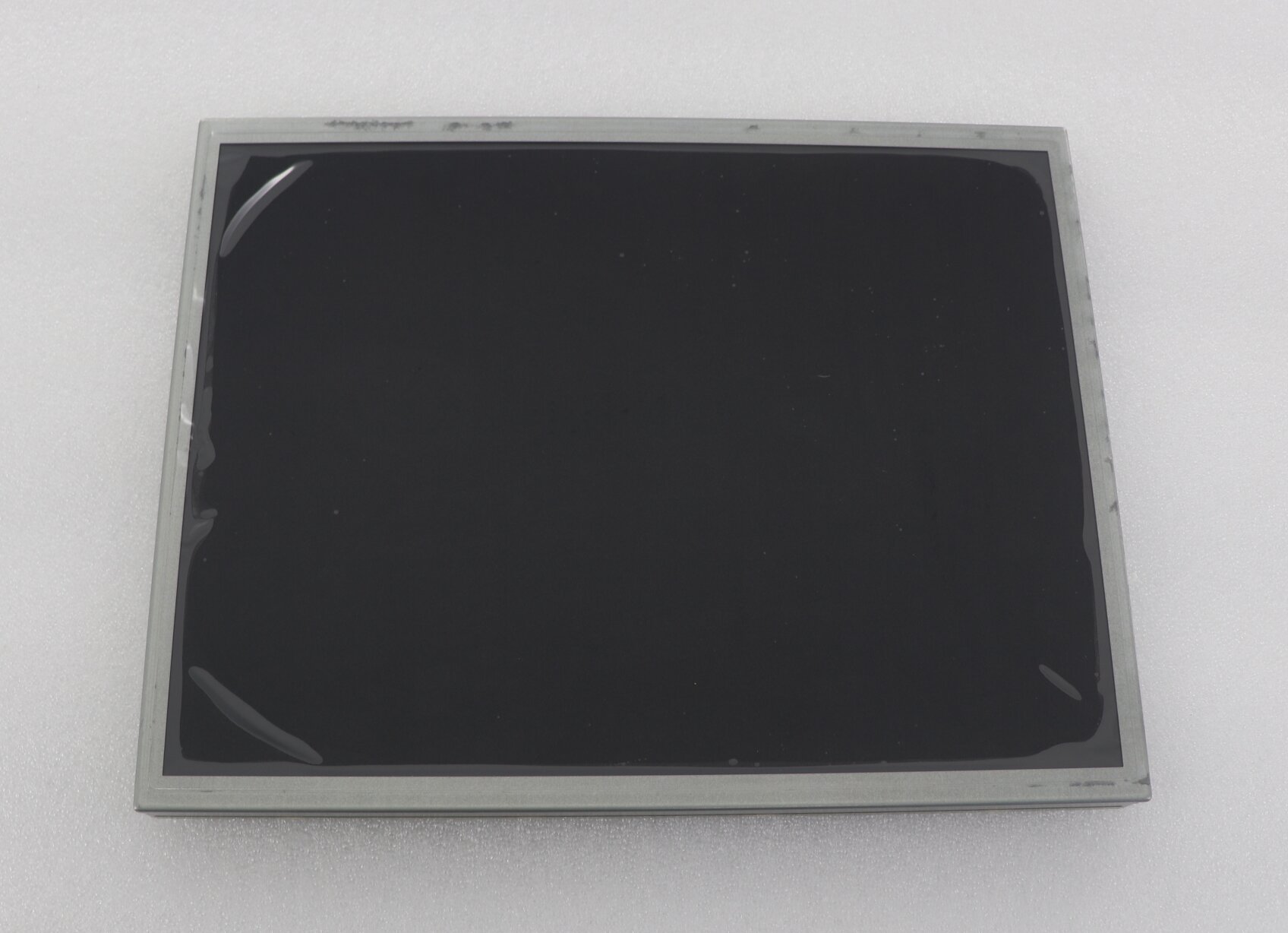
Architectural Resilience: Engineering for the Industrial Environment
The
Mitsubishi AA150XN21 is not a standard off-the-shelf monitor; it is an engineered solution designed to withstand the harshest operational conditions. At its core, this panel utilizes
TN (Twisted Nematic) LCD technology, which, while often misunderstood as inferior to IPS in the consumer space, offers distinct advantages in industrial contexts. The primary benefit lies in its
extremely fast response time, crucial for displaying real-time data without ghosting or motion blur in dynamic process flows. Furthermore, the panel boasts a wide operating temperature range, typically from -20°C to +70°C, a critical factor for environments near furnaces, engines, or refrigeration units.
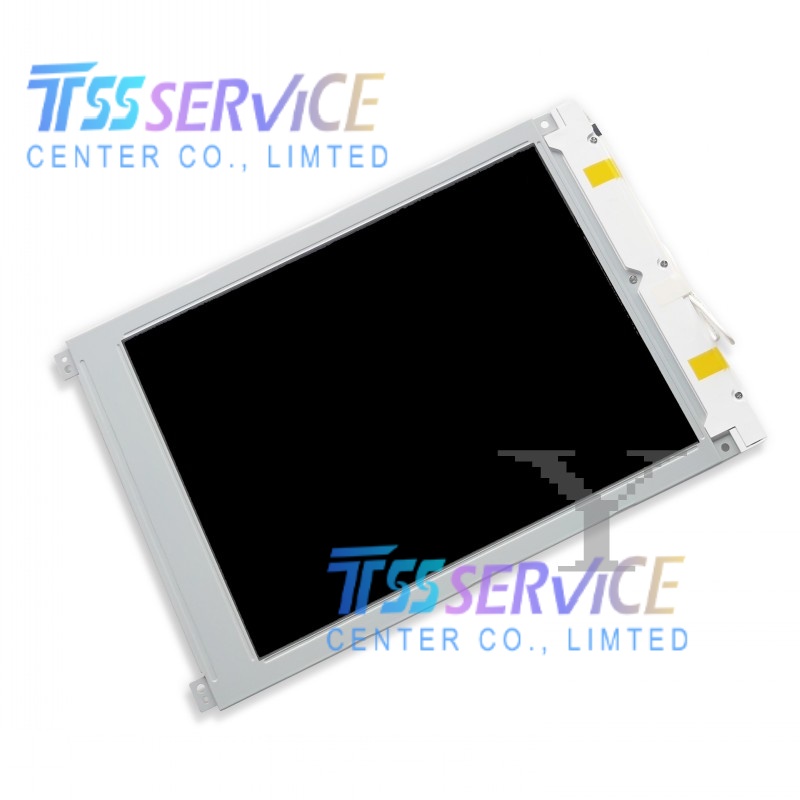
The physical construction is equally noteworthy. The
AA150XN21 features a robust metal frame and utilizes a
CCFL (Cold Cathode Fluorescent Lamp) backlight. While some might view CCFL as outdated, it provides a more uniform and stable luminance over the panel's life compared to early LED strips, reducing the risk of hot spots on the screen. The 1024×768 resolution at a 4:3 aspect ratio is a deliberate choice, perfectly matching legacy SCADA (Supervisory Control and Data Acquisition) software that was originally designed for this format. This avoids the stretching, black bars, or scaling artifacts that plague modern wide-screen panels when running older, mission-critical applications. The panel's
110° (H) / 45° (V) viewing angle is intentionally narrow, focusing the output for a single operator at a fixed position, thereby reducing glare and reflections in brightly lit factory halls.
Signal Integrity and Legacy Compatibility: The Backbone of Modernization
One of the greatest challenges in industrial automation is the modernization gap—integrating new components with decades-old control systems. The
AA150XN21 excels here due to its standard
LVDS (Low-Voltage Differential Signaling) interface. This 20-pin connector is a universal standard in the industrial display world, ensuring compatibility with a vast array of controller boards, embedded PCs, and single-board computers. This standardization simplifies replacement and reduces the engineering overhead required to adapt the display to different systems.
Critically, the 1024×768 resolution at 4:3 ensures pixel-perfect mapping with legacy graphical interfaces. When a factory relies on a custom HMI (Human-Machine Interface) written in the late 1990s, stretching that interface to fill a 16:9 screen distorts critical icons and makes precision buttons misaligned. The AA150XN21 eliminates this risk entirely. Furthermore, the panel’s consistent timing and fixed refresh rate (60 Hz) avoid the synchronization issues that can occur when modern adaptive sync technologies attempt to negotiate with older, rigid video outputs. This makes the Mitsubishi panel an ideal choice for companies performing planned obsolescence mitigation, allowing them to upgrade the display component while retaining their proven, validated software stack.
Lifecycle Management and Total Cost of Ownership
In the consumer electronics world, a display model is often discontinued within 12 months. The industrial sector operates on a completely different timeline. Mitsubishi Electric, a global leader in factory automation, commits to extended lifecycle support for the
AA150XN21. This panel is part of a
7 to 10-year production lifecycle, providing procurement managers with the predictability necessary for long-term capital planning. The availability of spare parts, data sheets, and engineering support for this duration is a tangible asset.
The Total Cost of Ownership (TCO) for the AA150XN21 is significantly lower than that of a consumer-grade monitor over a 15-year factory deployment. Consider the following:
-
Reduced Downtime: The industrial-grade components and rigorous testing (vibration, shock, humidity) mean fewer failures.
-
Lower Replacement Cost: When a failure does occur, the standardized form factor and interface allow for a rapid swap without retrofitting the entire enclosure.
-
Energy Efficiency: Despite using CCFL, the panel's power consumption is tightly controlled, often drawing less than 20 watts, minimizing heat generation inside sealed operator panels.
-
Maintainability: The panel's design allows for easier cleaning and lens replacement compared to sealed consumer tablets.
Choosing the AA150XN21 is not just a component selection; it is a strategic investment in asset reliability and operational efficiency, preventing the cascading costs of system-wide overhauls.
Application Specificity: From Pixels to Productivity
The true utility of the Mitsubishi
AA150XN21 is revealed in its specific deployment scenarios. In
CNC machining centers, this panel provides a crisp, non-reflective interface for toolpath visualization and real-time feedback on spindle speed and coolant flow. The 4:3 aspect ratio is ideal for displaying the classic G-code editor window alongside a status bar. In
medical diagnostic equipment, such as patient monitors or infusion pumps, the 1024×768 resolution offers sufficient detail for vital sign waveforms and drug dosage calculations without the unnecessary pixel density that could cause visual fatigue during long shifts.
Another critical application is in transportation and infrastructure. Ticket vending machines, toll booth displays, and train control systems benefit from the panel's wide temperature tolerance and resistance to vandalism (when coupled with a front protective glass). Furthermore, the high contrast ratio (typically 700:1) ensures readability under direct sunlight or in dimly lit control rooms. The panel's anti-glare surface treatment, combined with its specific polarizer, minimizes the effect of overhead lighting, which is often a primary cause of operator error. In essence, the AA150XN21 is designed to deliver data—not just an image—with the highest possible fidelity, directly contributing to operator speed, accuracy, and safety.
Conclusion
The
Mitsubishi AA150XN21 15-inch LCD panel is a masterclass in purpose-driven engineering, proving that relevance in technology is not defined by novelty but by operational excellence. Its enduring
1024×768 resolution, robust industrial build, and extensive lifecycle support make it the linchpin for countless critical systems worldwide. By prioritizing signal integrity, robust thermal management, and legacy compatibility, this display empowers engineers to maintain high reliability in demanding environments without unnecessary complexity. For any organization seeking to stabilize or upgrade its industrial infrastructure, the
AA150XN21 represents a proven, cost-effective, and technically sound choice that protects both current productivity and future investment.


