In the demanding landscape of industrial automation, the Human Machine Interface (HMI) serves as the critical nexus between operator and machinery.
In the demanding landscape of industrial automation, the Human Machine Interface (HMI) serves as the critical nexus between operator and machinery. While modern systems often chase the allure of purely touch-based glass panels, a specific class of applications requires a different kind of resilience. The 6AV6545-5EB00-0BJ0 represents a specialized iteration within Siemens’ Simatic series, merging a 15-inch touch display with a tactile membrane keyboard. This article explores the engineering philosophy behind this hybrid device, moving beyond simple specifications to examine its strategic value in environments where operator certainty, hygienic protocols, and operational longevity are non-negotiable. We will dissect the technical synergy between the touch interface and membrane keypad, the implications for system maintenance, and the specific industrial contexts where this configuration proves superior to all-touch alternatives. By the end, you will understand not just what this component is, but why its hybrid design remains a vital solution for mission-critical production floors worldwide.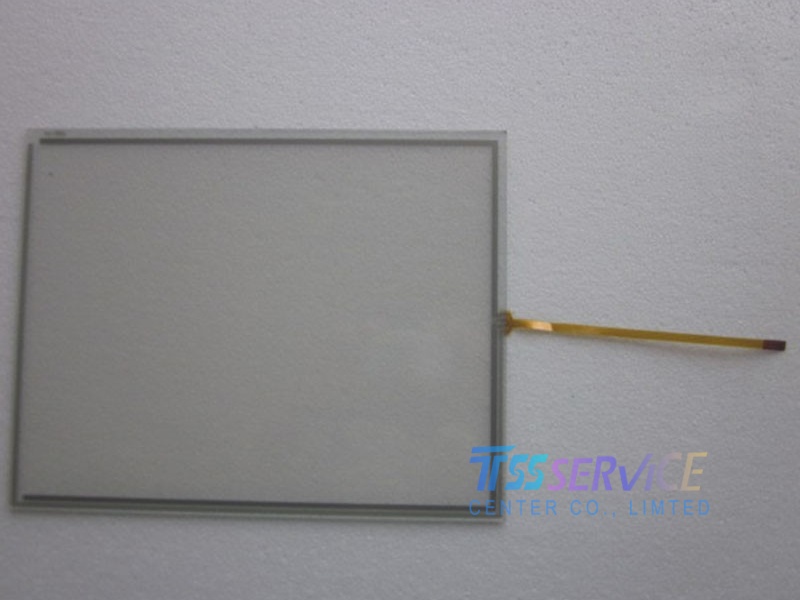
The Strategic Advantage of a Hybrid Interface
The core proposition of the 6AV6545-5EB00-0BJ0 lies not in its individual components, but in their orchestrated functionality. A 15-inch touch display offers a generous canvas for visualizing complex process flows, trends, and alarms. However, relying solely on a touch interface in heavy industry presents inherent risks. Gloved hands, a necessity in assembly lines, food processing, or chemical handling, can compromise capacitive touch sensitivity. Grease, moisture, or metal shavings on the screen can create erratic touch behavior or dead zones. Siemens addresses this by integrating a membrane keyboard that provides a dedicated, physical pathway for critical controls.
This membrane layer offers distinct advantages. First, it provides positive tactile feedback—a distinct click or resistance upon actuation—which is absent in a glass touch interface. This allows operators to execute a command without needing to visually confirm the interaction, keeping their eyes on the machine or process. Second, the membrane surface is typically flush with the display, creating a seamless, sealed front that is resistant to dust ingress and liquid splashes (often achieving high IP ratings). The combination allows engineers to designate essential functions—like emergency stop, confirmation, or navigation keys—to the robust membrane, while reserving the touchscreen for dynamic, data-driven tasks like selecting recipe parameters or viewing detailed diagnostics. This division of labor enhances both speed and safety, ensuring that the most critical actions are always accessible, regardless of the display’s state.
Engineering for Harsh Environments and Hygiene Compliance
Beyond the functional duality of input methods, the physical construction of the 6AV6545-5EB00-0BJ0 is purpose-built for survival. The integration of a membrane layer is not merely an input option; it is a core architectural decision for environmental sealing. The membrane creates a continuous, non-porous overlay that protects the underlying display and logic board from corrosive vapors, high-pressure washdowns, and airborne particulates. This is a significant differentiator from standard panel PCs where the bezel and glass edge can be vulnerable points of ingress. For industries operating under strict HACCP or GMP regulations, the ability to thoroughly clean and sanitize the entire front surface without damaging components is a necessity. The smooth, sealed membrane eliminates crevices where bacteria or process contaminants can lodge.
Furthermore, the membrane technology inherently involves a finite lifespan of mechanical actuation. This is often viewed as a weakness, but in a well-engineered product, it becomes a predictable maintenance point. Membrane switches are designed for millions of cycles, and their failure mode is typically graceful and wear-based, as opposed to the unpredictable failure of a capacitive touch controller. In high-vibration environments, such as near large motors or conveyor systems, the physical membrane keys are far less likely to register false triggers compared to a highly sensitive touchscreen. The 15-inch form factor itself is also strategic; it is large enough to display a comprehensive process overview without being so large as to be cumbersome in a control cabinet or operator station, striking a balance between visibility and physical footprint.
Operational Efficiency and Reduced Cognitive Load
The true value of this hybrid HMI is realized in how it streamlines operator workflow. A common issue with large, all-touch interfaces is menu fatigue. Operators must often navigate multiple nested screens to find a specific control. The Siemens 6AV6545-5EB00-0BJ0 mitigates this through hardkey function mapping. Pre-labeled membrane keys can be assigned to frequently used screens or actions, providing a one-touch escape route from deep menu hierarchies. This reduces cognitive load, allowing the operator to focus on the machine's state rather than the interface itself. In a pressure scenario, such as a line stoppage or alarm cascade, the ability to hit a physical key without searching a screen for a soft button speeds up response time significantly.
From a programming perspective, this panel offers flexibility. The membrane keys can be context-sensitive, changing their function based on the active screen, or they can remain fixed for system-level navigation like Home, Alarm, or Help. The tactile feedback also allows for "eyes-free" operation. An operator can reach for the physical Start or Stop key by feel alone, which is impossible with a flat glass screen. This is particularly relevant in dimly lit environments or when the operator's hands are engaged with the process. The combination reduces the risk of incorrect input and enhances overall human-machine synergy, transforming the panel from a passive display into an active, physically responsive control device.
Long-Term Cost of Ownership and System Integration
When evaluating industrial components, the purchase price is only the initial metric. The total cost of ownership (TCO) is where the 6AV6545-5EB00-0BJ0 demonstrates its economic justification. The robust, sealed construction directly reduces downtime caused by screen contamination, moisture damage, or touch controller failure. In a production environment, unplanned downtime can cost thousands of dollars per minute. The membrane interface, being a mature and well-understood technology, offers predictable longevity. While a glass touchscreen may suffer a catastrophic crack or delamination, a membrane pad typically degrades slowly, providing early warning signs like a slightly stiffer key feel before failure.
From an integration standpoint, this unit is part of the well-established Siemens Simatic environment. This means seamless compatibility with TIA Portal (Totally Integrated Automation Portal) for programming and networking. For system integrators and maintenance teams, this reduces engineering hours and spare part complexity. The device uses standard Profinet or Profibus interfaces, ensuring it fits cleanly into existing industrial networks. Furthermore, the hybrid design provides a form of operational redundancy. If the touch function were to develop a calibration issue or a dead spot, the membrane keys can still be used to operate core machine functions and navigate to diagnostic menus. This ability to "fall back" to physical controls can be the difference between a minor inconvenience and a full production halt. The device is an investment in stability and serviceability, not just a interface.
Conclusion: A Pragmatic Mastery of Industrial Control
The new 6AV6545-5EB00-0BJ0 TOUCH +MEMBRANE 15" is not a relic of a past era but a refined solution for the present. Its strength lies in its pragmatic design philosophy, which prioritizes operator certainty and environmental resilience over aesthetic minimalism. By intelligently combining the visual and contextual power of a 15-inch touchscreen with the tactile dependability of a membrane keyboard, Siemens has created an interface that excels where conditions are harsh and errors are costly. This hybrid approach reduces cognitive load, simplifies compliance with hygiene standards, and offers a tangible path to lower total cost of ownership through reduced downtime and predictable maintenance. For engineers and plant managers seeking a robust, long-term partner for their production lines, this panel represents a mature, well-considered choice that values function and reliability above transient design trends.


