In the intricate world of electronic components, the display panel often serves as the critical interface between machine intelligence and human understanding. For engineers and product designers navigating the selection process, the specifications of a display module can dictate the usability, efficiency, and ultimate success of an embedded system
In the intricate world of electronic components, the display panel often serves as the critical interface between machine intelligence and human understanding. For engineers and product designers navigating the selection process, the specifications of a display module can dictate the usability, efficiency, and ultimate success of an embedded system. This article delves into a detailed examination of the SP14N002 5.1" 240*128 FSTN-LCD Panel, a component that exemplifies a specific and vital niche in industrial and instrumentation applications.
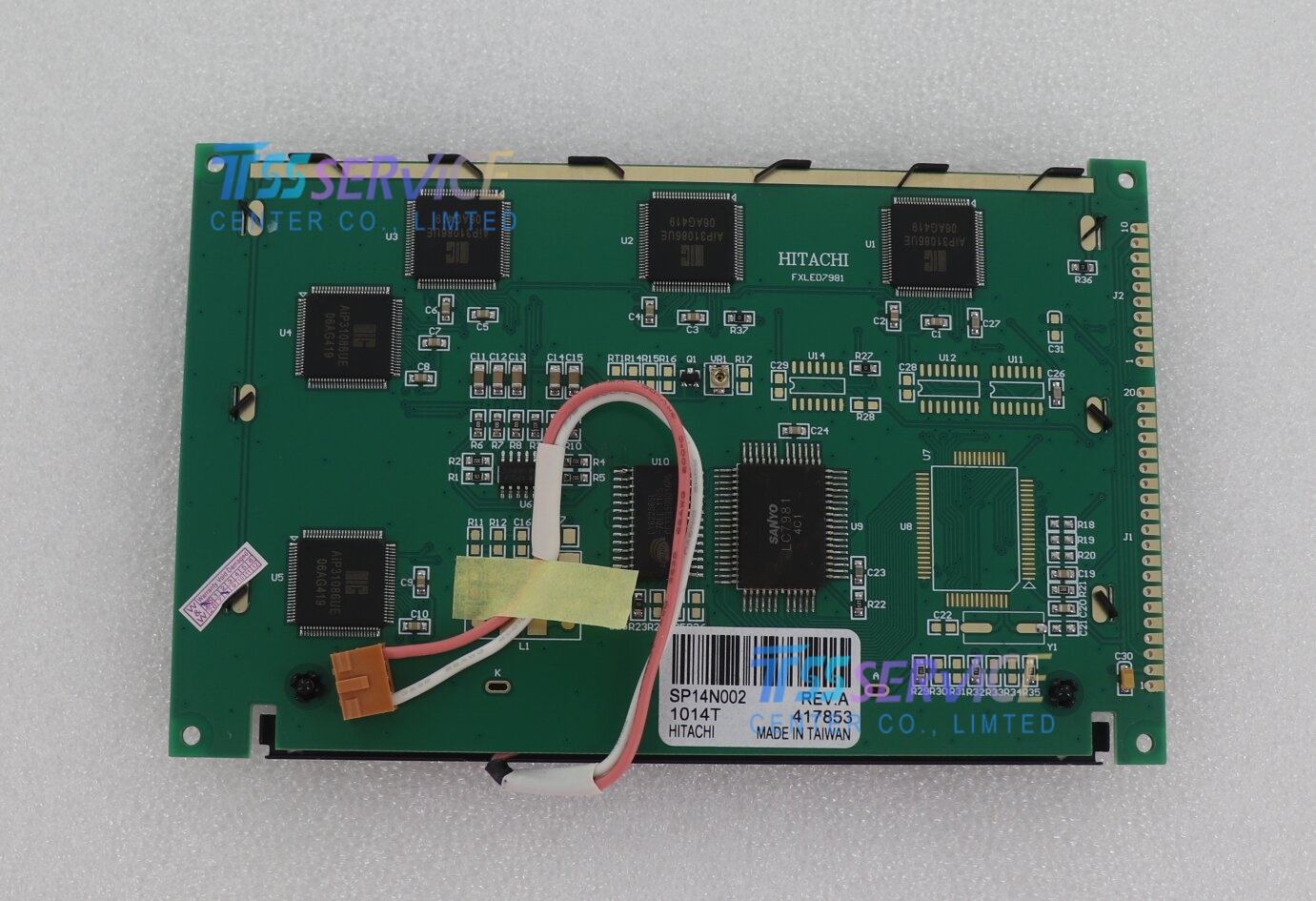
Our exploration will move beyond basic datasheet parameters to uncover the practical implications of its technology. We will analyze the distinct advantages of its FSTN (Film Compensated Super-Twisted Nematic) construction, decode the rationale behind its specific resolution and size, and evaluate its performance in demanding operational environments. Finally, we will contextualize its ideal applications, providing a comprehensive guide for professionals seeking a reliable, high-contrast, and readable display solution for their next project.
The FSTN Advantage: Engineering for Optimal Readability
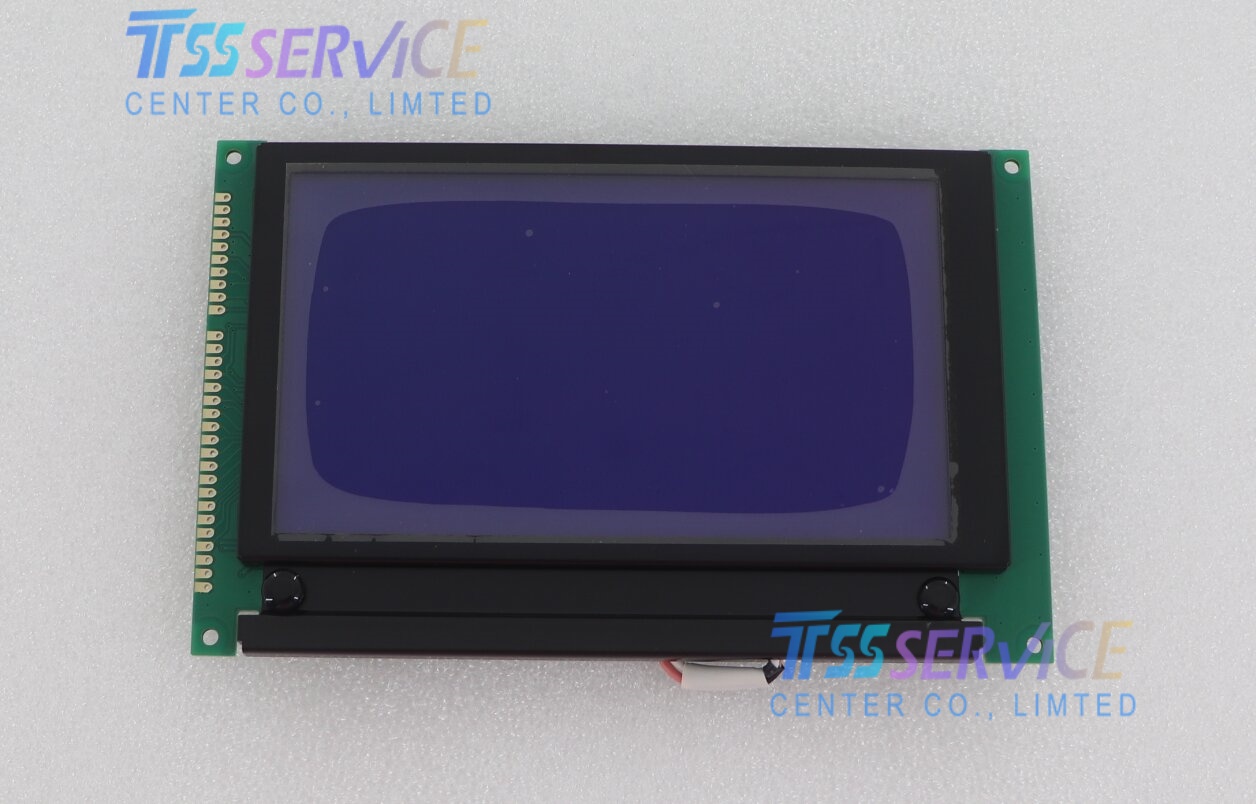
At the core of the SP14N002's performance lies its FSTN-LCD technology, a significant evolution from standard TN (Twisted Nematic) and STN (Super-Twisted Nematic) panels. While STN improved upon TN's contrast and viewing angle, it introduced an inherent color bias—typically a yellowish background with bluish characters—and residual ghosting. The "Film Compensated" layer in FSTN is the decisive fix. This precise optical film neutralizes the color shift and dramatically suppresses ghosting,
resulting in a display that presents sharp, high-contrast black-on-white or white-on-black imagery.
This technical refinement is not merely cosmetic. In environments where operators must monitor data for extended periods, such as factory floors, medical devices, or automotive diagnostics, reduced eye strain and instant legibility are paramount. The FSTN technology ensures that information is presented with crystal clarity, minimizing interpretation errors. Furthermore, compared to more expensive TFT solutions, FSTN offers excellent readability without the need for a constant active backlight, which can be a crucial advantage for power-sensitive portable or battery-operated devices. The SP14N002 leverages this technology to deliver a passive display solution that punches above its weight in terms of visual performance.
Decoding the Form Factor: 5.1-Inch and 240x128 Resolution in Practice
The specific dimensions of 5.1 inches (diagonally) and a 240 x 128 pixel resolution are deliberate choices that define the panel's application scope. This form factor sits comfortably between smaller character-only displays and larger, graphics-intensive screens. It provides ample space to present a mix of multi-line alphanumeric data, rudimentary bitmapped graphics, custom icons, and simple user interface elements without dominating the device's front panel.
The 240x128 matrix offers a pragmatic balance. It provides sufficient pixel density for clear character and symbol rendering while maintaining a straightforward interface for the controller. For developers, this resolution is manageable, often requiring less complex driving electronics and memory buffers than full VGA or higher displays. It is ideally suited for presenting:
-
Multi-parameter data screens (e.g., temperature, pressure, voltage readings simultaneously).
-
Structured menu systems with highlighted selections.
-
Basic bar graphs, trend indicators, or schematic outlines.
-
Status messages and prompt lines in industrial control units.
This combination makes the SP14N002 a versatile workhorse for applications where information density and clarity are needed, but full-color multimedia capability is unnecessary and economically unjustified.
Performance Under Pressure: Reliability in Diverse Environments
A display panel in an industrial or commercial setting cannot be a fragile component. The inherent design of the SP14N002 FSTN-LCD lends itself to robust performance. As a passive matrix display without delicate thin-film transistors at each pixel, it can exhibit greater inherent reliability and wider operating temperature ranges than some active-matrix counterparts. Its performance is consistent across a broad thermal spectrum, a necessity for equipment installed in non-climate-controlled settings.
Furthermore, when paired with a suitably bright LED backlight (often available as an option or integrated module), the panel achieves excellent visibility in both low-light and high-ambient light conditions. The matte surface of FSTN panels also helps in reducing glare from overhead lighting. For applications involving extended static images—a common scenario in instrumentation—FSTN technology is less susceptible to the image retention or "burn-in" issues that can plague other LCD types. This durability ensures the display remains a dependable interface throughout the product's lifecycle, reducing maintenance costs and downtime.
Ideal Application Ecosystems and Integration Considerations
The SP14N002 panel finds its true calling in specialized vertical markets where function decisively trumps flash. Its profile is perfect for embedded systems requiring a dependable, low-power, and highly readable human-machine interface (HMI). Key application domains include industrial automation (PLC programming terminals, sensor readouts, controller panels), test and measurement equipment (multimeters, oscilloscopes, signal generators), medical devices (patient monitors, diagnostic equipment), and point-of-sale/information kiosks.
Integration requires attention to several factors. Designers must source a compatible controller board to generate the correct driving signals for the panel's specific interface (typically parallel or SPI). The choice of backlighting (color, brightness, power configuration) must align with the end-use environment. Additionally, mechanical design must account for the panel's mounting bezel and the potential need for a protective front overlay to shield against dust, moisture, and physical contact. When these elements are correctly addressed, the SP14N002 transforms from a simple component into the reliable face of a sophisticated machine.
The SP14N002 5.1" FSTN-LCD Panel stands as a testament to optimized, application-driven design. It masterfully balances the superior readability and contrast of Film Compensated STN technology with a pragmatic form factor and resolution, delivering unwavering reliability in challenging environments. For engineers developing devices where clear information presentation, power efficiency, and long-term durability are non-negotiable, this display module offers a compelling and sophisticated solution. It proves that in the world of embedded electronics, targeted innovation and proven performance often outweigh mere specification counts, making it an intelligent choice for a wide array of professional and industrial interfaces.


