In the demanding world of industrial automation and heavy machinery, the display is often the critical interface between human operator and complex system
In the demanding world of industrial automation and heavy machinery, the display is often the critical interface between human operator and complex system. While consumer electronics chase high resolutions and vivid colors, industrial applications prioritize reliability, readability, and longevity under harsh conditions. The REPLACE LM24010Z 4.7" 320*240 FSTN-LCD stands as a testament to this principle. Designed as a direct replacement for specific Sharp LCD display screens, this module is not merely a component; it is a linchpin for equipment that requires consistent performance in extreme environments. This article delves deep into the technical architecture, operational advantages, and strategic importance of this specialized FSTN-LCD, exploring why it remains a preferred choice for engineers who value function over flash, and how its unique characteristics address the specific challenges of industrial visualization.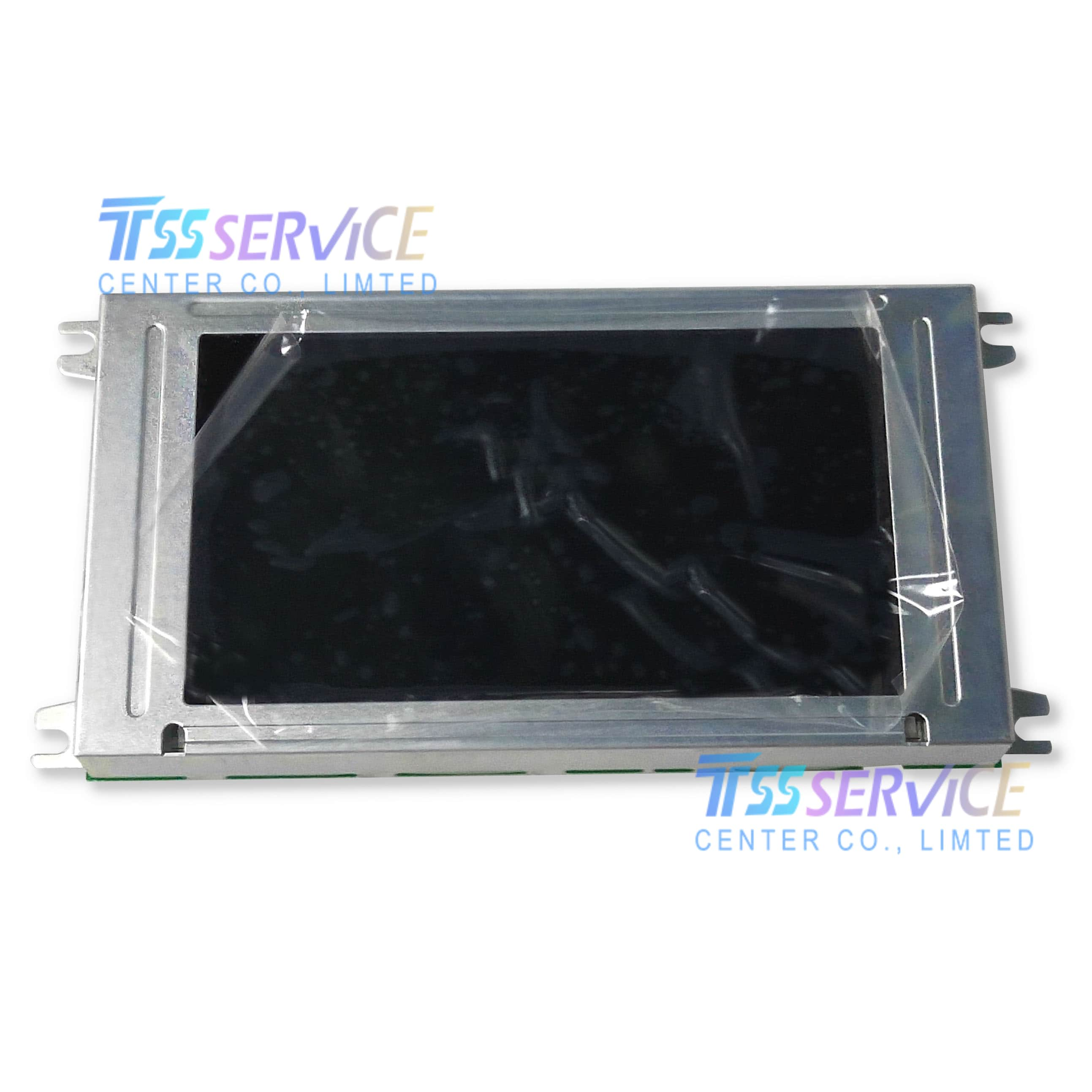
Decoding the Technology: FSTN and the 4.7-Inch Form Factor
To understand the value of the LM24010Z, one must first appreciate the underlying technology. FSTN stands for Film Compensated Super Twisted Nematic. Unlike standard STN displays, which often suffer from poor contrast and color shifts, FSTN technology incorporates a retardation film that compensates for optical phase differences. The result is a display that delivers significantly higher contrast and a wider viewing angle, crucial for readability in environments with variable or direct lighting. The 4.7-inch diagonal size paired with a QVGA resolution of 320x240 pixels hits a sweet spot for industrial applications. It is compact enough to fit into panel meters, PLC interfaces, and medical devices, yet large enough to display complex data, machine status icons, and simple control graphics without causing eye strain. This specific panel is typically configured for a Yellow-Green background with dark characters, a combination historically proven to offer excellent legibility under fluorescent and natural light. The passive matrix architecture also means lower power consumption and reduced electromagnetic interference compared to active matrix TFT displays, making it ideal for sensitive industrial environments.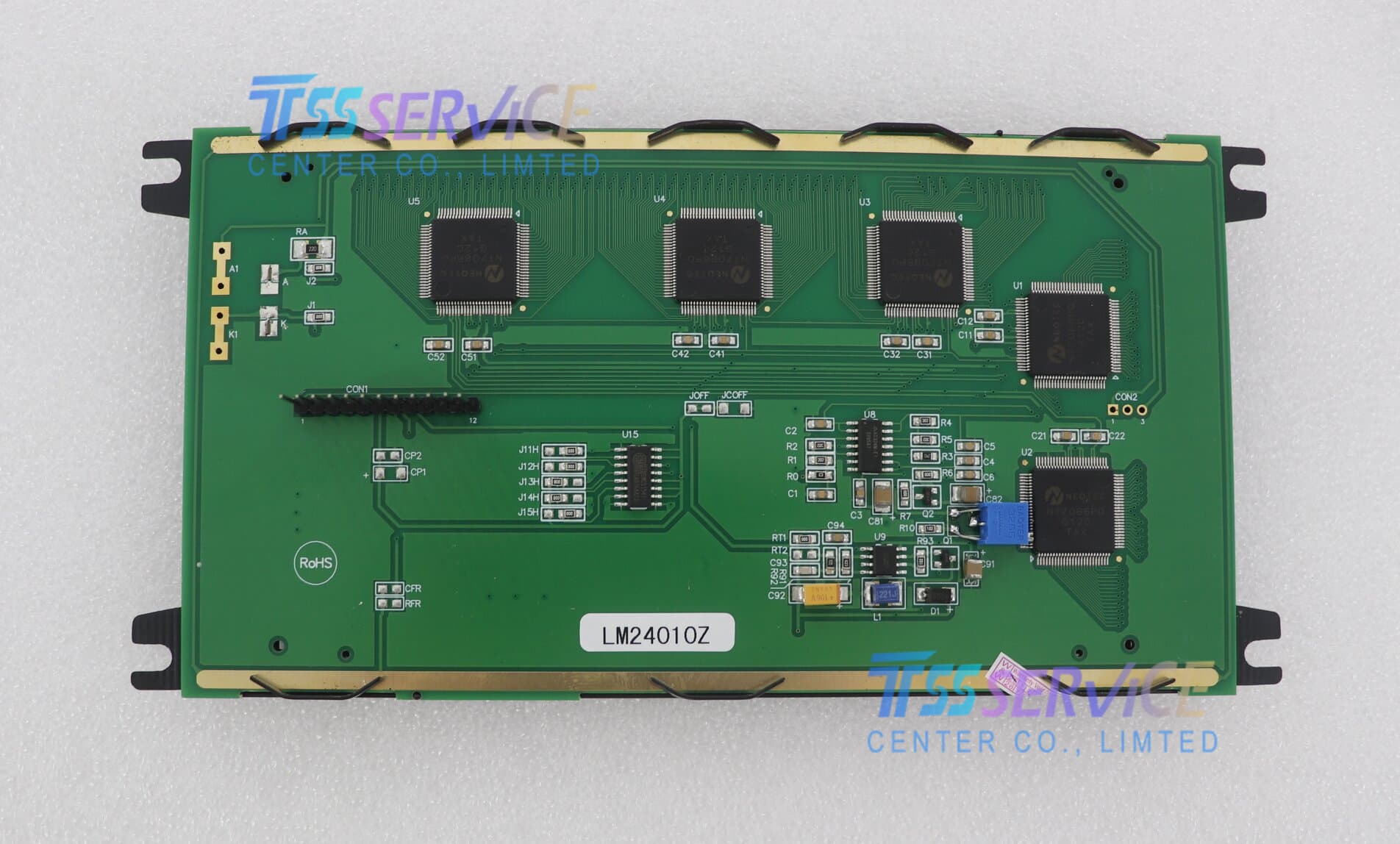
Why "Replace" Matters: The Strategy of Long-Term Industrial Support
The "REPLACE" designation in the product name is not a sign of obsolescence; it is a strategic identifier for obsolescence management. Many original equipment manufacturers (OEMs) designed systems years or even decades ago around specific Sharp LCD modules. When these original displays become discontinued or cost-prohibitive, production lines face a crisis. The REPLACE LM24010Z is engineered as a form-fit-function replacement that meets or exceeds the original Sharp specifications. This is not a simple clone. It involves meticulous attention to electrical interface timing, connector pinouts, and mechanical mounting holes. By offering a reliable drop-in replacement, manufacturers avoid the massive expense of re-certifying new displays or redesigning control cabinets. This strategy extends the lifecycle of expensive capital equipment, ensuring that factories, medical imaging devices, and test instrumentation can continue to operate seamlessly. The use of FSTN technology in these replacements also offers a performance upgrade over older standard STN panels, providing better readability without altering the core system architecture.
Industrial Resilience: Optical Performance and Environmental Hardiness
In an industrial context, a display's optical performance is defined by more than just resolution. The LM24010Z FSTN-LCD excels in three critical areas: sunlight readability, temperature range, and power efficiency. Unlike a TFT display that may wash out under direct sunlight, a well-designed FSTN module with a transflective polarizer uses ambient light to illuminate the screen, with a backlight providing support in dark conditions. This makes it highly effective in outdoor or brightly lit factory floors. Furthermore, the operating temperature range of these modules typically spans from -20°C to +70°C, far exceeding the limits of standard consumer LCDs. This resilience is vital for applications in oil & gas, transportation, or cold storage logistics. The passive matrix design also consumes significantly less power than an equivalent TFT panel, which is critical for remote or battery-powered industrial sensors. For engineers, this translates into a display that is not only visible but also reliable across the full spectrum of operating conditions.
Practical Implementation: Interface, Compatibility, and Sourcing Considerations
Successful implementation of the REPLACE LM24010Z hinges on understanding its technical interface. This display typically uses a parallel interface (commonly 8-bit or 16-bit) with a dedicated controller IC, such as the Sitronix ST7565R or a compatible equivalent. This interface is industry-standard for monochrome graphics LCDs, making it straightforward to drive with almost any microcontroller or embedded processor. When sourcing a replacement unit, engineers must verify the LED backlight configuration—specifically, the voltage and current ratings, as well as the number of pins on the connector. A common pitfall is overlooking the "polarizer orientation." FSTN panels can be sourced in Positive (dark on light) or Negative (light on dark) modes. The LM24010Z replacement is typically sold in Positive mode for the best natural contrast. For procurement teams, it is essential to work with suppliers who provide technical data sheets and guarantee that the module is a true cross-reference, not just a visually similar part. Quality sources will offer matched brightness and uniform backlighting to ensure no re-calibration is needed on the assembly line.
The REPLACE LM24010Z 4.7" 320*240 FSTN-LCD is far more than a simple replacement part; it is a strategic asset for maintaining long-term industrial operations. Its robust FSTN technology delivers superior contrast and wide temperature tolerance, ensuring clear visibility in harsh environments where standard displays fail. By providing a precise form-fit-function alternative to the original Sharp module, it eliminates costly redesigns and extends the productive life of vital equipment. For any engineer or procurement professional managing legacy systems, this display represents a perfect balance between proven technology and modern reliability, making it an indispensable resource in the ongoing quest for industrial sustainability and operational continuity.


