In the fast-paced world of industrial and commercial electronics, the demand for reliability often outweighs the pursuit of the newest technology. While consumer markets chase ultra-high resolutions and flexible form factors, mission-critical applications require components with proven track records
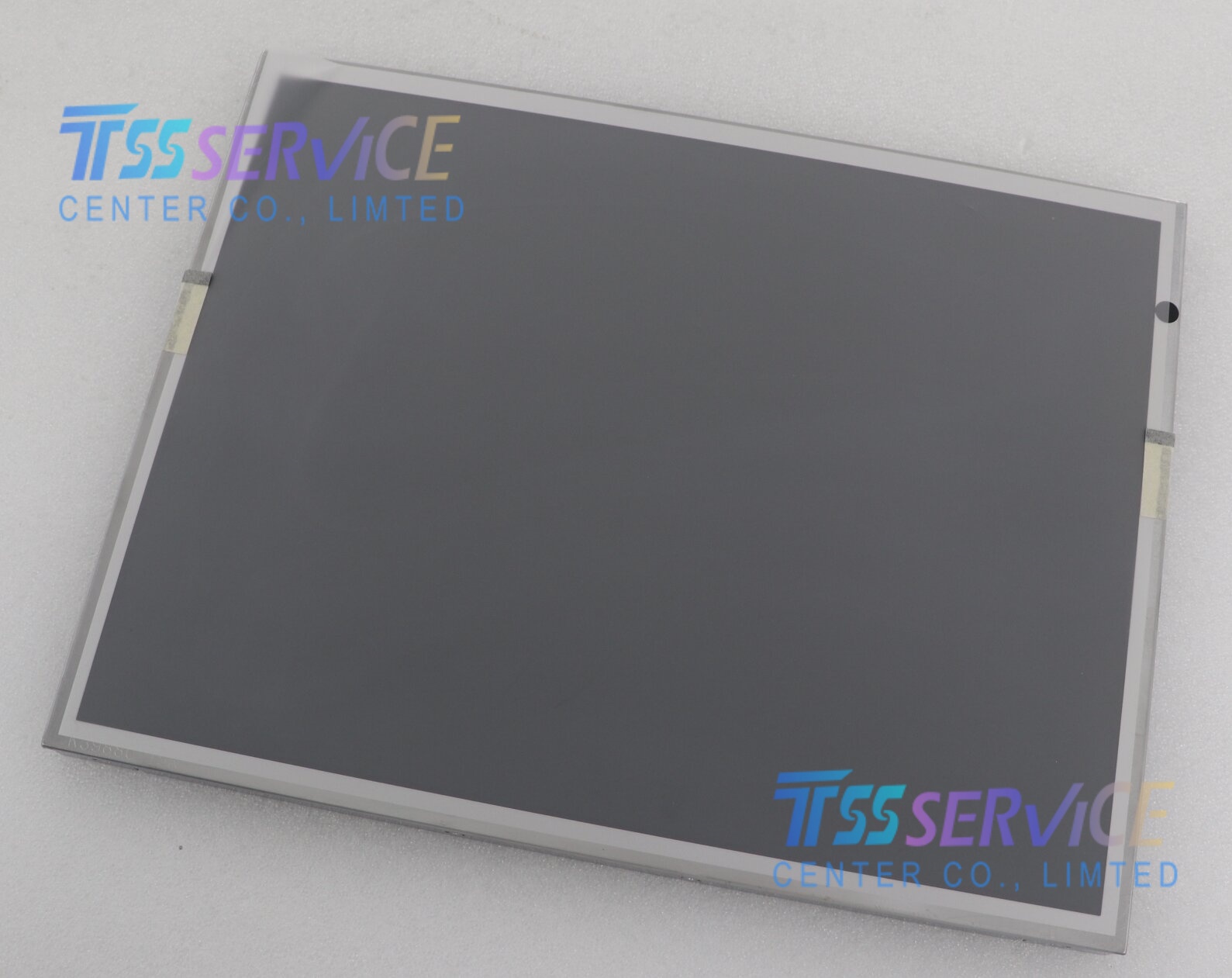
In the fast-paced world of industrial and commercial electronics, the demand for reliability often outweighs the pursuit of the newest technology. While consumer markets chase ultra-high resolutions and flexible form factors, mission-critical applications require components with proven track records, consistent performance, and robust supply chains. The Sharp LQ150X1LG83, a 15.0-inch a-Si TFT-LCD panel, represents exactly this category of workhorse component. This article delves into the specific engineering attributes, market positioning, and practical applications of this specific model. Rather than simply listing specifications, we will explore why this panel remains a sought-after item in stock, its role in industrial contexts, and the technical nuances that define its value proposition. Understanding the LQ150X1LG83 requires looking beyond its age to its enduring suitability for environments where stability and optical clarity are non-negotiable.
Decoding the Technical Architecture: a-Si TFT and Its Industrial Relevance
At the heart of the Sharp LQ150X1LG83 lies its amorphous silicon (a-Si) thin-film transistor (TFT) technology. While modern high-end displays have transitioned to low-temperature polycrystalline silicon (LTPS) or oxide semiconductors, a-Si retains a critical advantage: exceptional uniformity over large areas and proven long-term stability. For a 15.0-inch panel, a-Si provides a mature and cost-effective manufacturing process that results in predictable electrical characteristics across the entire active area. This is paramount for industrial settings where a single pixel failure or brightness inconsistency can lead to operational errors in control rooms or medical equipment.
The panel further employs Twisted Nematic (TN) liquid crystal mode. Although TN technology has a narrower viewing angle compared to IPS, it offers superior response times and lower power consumption. Specifically, the LQ150X1LG83 achieves a typical response time of 8 ms (Tr/Tf), making it adequate for dynamic data visualization without noticeable ghosting. Its resolution of 1024 x 768 pixels (XGA) at a 4:3 aspect ratio may seem legacy, but this format is still the standard for many legacy industrial systems, medical monitors, and slot machines. The panel's luminance of 350 cd/m² and a contrast ratio of 700:1 ensure readability under controlled ambient lighting, while the 6-bit color depth (16.2 million colors via dithering) provides sufficient gradation for graphical user interfaces and data plots.
Application Ecosystems: Where Stability Becomes Critical
The Sharp LQ150X1LG83 finds its natural habitat in environments where downtime is unacceptable. Its primary application ecosystem includes human-machine interfaces (HMIs) for factory automation. In these environments, the panel must endure vibrations, temperature fluctuations, and continuous operation for years. The panel's operating temperature range of 0°C to 60°C and storage range of -25°C to 70°C demonstrate its designed resilience.

Beyond factory floors, the medical sector relies on this panel for patient monitoring systems and diagnostic equipment. The predictable backlight lifespan—typically using CCFL (cold cathode fluorescent lamp) technology—is a critical factor. Unlike LED-backlit panels that can suffer from edge shadowing over time, the CCFL backlight in the LQ150X1LG83 provides uniform illumination across the entire 15-inch diagonal, crucial for accurate image interpretation. Another substantial market is gaming and amusement machines. Casinos and arcades often require standardized XGA resolution panels for their existing cabinet designs. Because these machines are certified and regulated, changing to a newer panel technology would require expensive re-certification. The availability of the LQ150X1LG83 in stock allows operators to maintain and repair existing assets without costly redesigns.
Supply Chain Strategy: The "In Stock" Advantage and Obsolescence Management
For procurement professionals, the phrase "in stock" for a panel like the Sharp LQ150X1LG83 carries specific weight. This panel is now classified as end-of-life (EOL) or legacy status by the original manufacturer. This creates a unique market dynamic. While Sharp no longer produces this unit in volume, a robust secondary market of authorized distributors and dedicated inventory holders ensures continuous availability. The value of having this panel in stock lies in mitigating obsolescence risk.
Consider a production line using a machine with a failed display. Without a drop-in replacement, the entire machine becomes a brick. The LQ150X1LG83 uses a standard LVDS (Low-Voltage Differential Signaling) interface with a 20-pin connector, ensuring compatibility with a wide range of existing controller boards. This standardized interface is a critical logistical advantage. Furthermore, the panel's mechanical specifications—a defined 317.3 mm x 242.0 mm outline and specific mounting hole patterns—mean that it is physically interchangeable with other XGA 15-inch panels from the same era. Buyers who secure stock now are effectively insuring their capital equipment against sudden failure. The "in stock" status is not just a convenience; it is a strategic hedge against the escalating costs of emergency repairs and unplanned downtime.
Conclusion
The Sharp LQ150X1LG83 is a testament to the principle that technological maturity offers distinct advantages over novelty. Its a-Si TFT architecture, standardized XGA resolution, and robust CCFL backlighting make it an enduring solution for industrial, medical, and gaming applications where reliability and compatibility are paramount. For engineers and procurement managers, keeping this panel "in stock" is a proactive measure against obsolescence, safeguarding the operation of critical equipment that cannot be easily or affordably upgraded. While its specifications may not impress a consumer, its proven performance in demanding environments continues to validate its relevance in the industrial display ecosystem.


