In the intricate world of electronic components, the display often serves as the critical interface between a device and its user. For engineers and product designers working on cost-sensitive, power-constrained, and reliability-driven applications, selecting the right display technology is a pivotal decision that balances performance, durability, and budget.
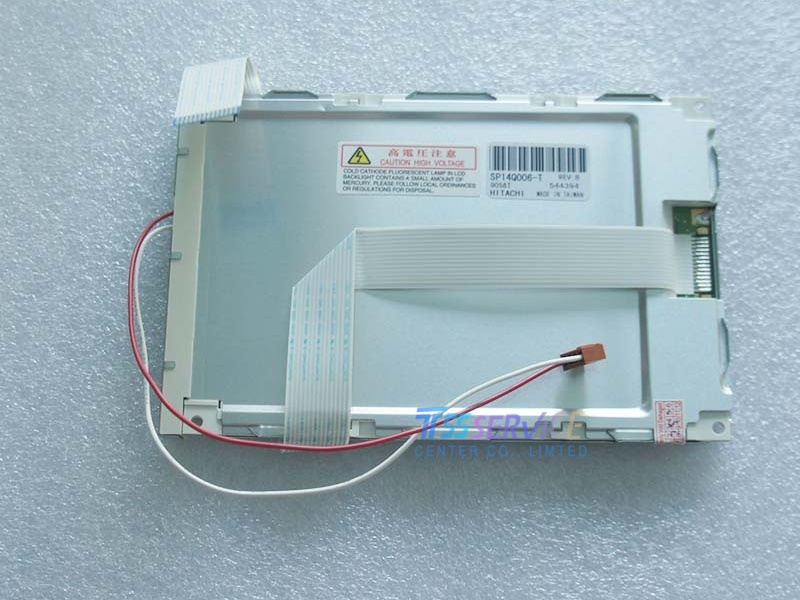
In the intricate world of electronic components, the display often serves as the critical interface between a device and its user. For engineers and product designers working on cost-sensitive, power-constrained, and reliability-driven applications, selecting the right display technology is a pivotal decision that balances performance, durability, and budget. This article delves into a specific and highly specialized component: the 5.7-inch LCD with a 320x240 resolution, utilizing FSTN (Film Super Twisted Nematic) technology, specifically the SP14Q006-T model.
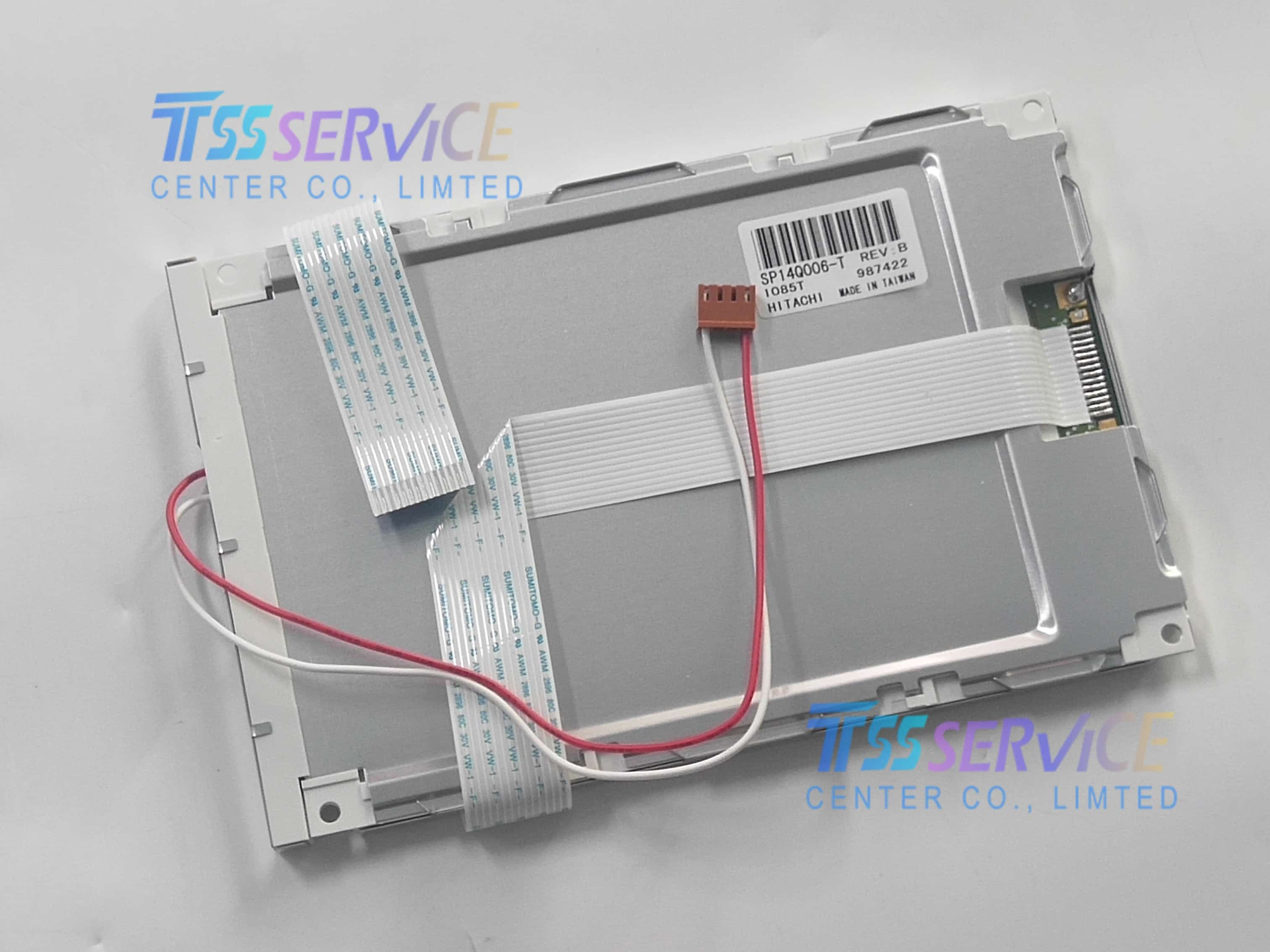
We will move beyond basic datasheet parameters to explore the inherent advantages and strategic applications of this display type. By understanding its operational principles, comparative strengths against more common LCD types, and its ideal use-case scenarios, developers can make an informed choice. This deep dive aims to clarify why, in an era dominated by high-resolution TFTs and OLEDs, the FSTN LCD remains an indispensable and often superior solution for a vast range of industrial, medical, and consumer devices where clarity, ultra-low power consumption, and readability under various lighting conditions are non-negotiable.
Decoding FSTN: The Technology Behind Superior Monochrome Readability
To appreciate the value of the SP14Q006-T, one must first understand FSTN technology. It is an advanced evolution of the classic STN (Super Twisted Nematic) LCD. In a standard STN display, the liquid crystal molecules are twisted between 180 and 270 degrees, creating a passive matrix display capable of showing more detail than earlier TN types. However, STN screens often suffer from a inherent color bias (typically blue or yellow) and lower contrast.
FSTN solves this by adding a compensating film layer. This film corrects the optical path difference caused by the liquid crystal's birefringence. The result is a dramatic improvement: a pure, high-contrast black-and-white image. The "Film" in FSTN is what transforms a colored, ghosted image into a sharp, neutral monochrome presentation. For the 5.7-inch 320x240 SP14Q006-T, this means text, numbers, and basic graphics are rendered with exceptional clarity. This technology provides the visual fidelity close to that of a printed page, but without the complexity, cost, and power draw of an active-matrix backlight-intensive display. It is the foundation upon which its key benefits—sunlight readability and ultra-low power consumption—are built.
Strategic Advantages: Where the 5.7" FSTN LCD Excels
The specific form factor and specs of the SP14Q006-T (5.7-inch, QVGA 320x240) are not arbitrary; they represent a strategic sweet spot for numerous embedded applications. Its advantages are multifaceted:
-
Sunlight Readability and Wide Viewing Angles: Unlike backlit TFTs that wash out in direct sunlight, FSTN LCDs are reflective or transflective. They use ambient light to illuminate the display, making them perfectly legible even in bright outdoor conditions. Combined with wide viewing angles exceeding 120 degrees, this ensures consistent visibility from various positions.
-
Extremely Low Power Consumption: As a passive display without a constant, power-hungry backlight (often relying on a few low-power LEDs for frontlighting in darkness), the SP14Q006-T consumes orders of magnitude less power than an equivalent-sized TFT. This is critical for battery-operated devices aiming for months or years of operation.
-
Cost-Effectiveness and Reliability: The simpler construction of FSTN panels makes them more affordable than TFTs. Furthermore, with no organic materials (unlike OLEDs) and robust performance across a wide temperature range (typically -20°C to +70°C), they offer exceptional long-term reliability for industrial and medical equipment.
Ideal Application Ecosystems for the SP14Q006-T
The technical profile of this display naturally directs it towards specific market segments where its strengths are paramount. It is not a general-purpose screen for multimedia, but a specialized tool for data presentation and human-machine interaction (HMI) in demanding environments.
Primary application domains include:
-
Industrial Automation & Control: HMIs for PLCs, sensor readout panels, control units for manufacturing equipment, and test and measurement instruments. Here, reliability, 24/7 operation, and visibility in factory lighting are crucial.
-
Portable Medical Devices: Blood glucose monitors, infusion pumps, portable diagnostic equipment, and patient monitors. These applications benefit from the display's clarity, low power drain for battery life, and compliance with stringent reliability standards.
-
Handheld Terminals & Logistics: Barcode scanners, inventory management devices, and ruggedized PDAs used in warehouses and outdoors. Sunlight readability and durability are the key purchasing factors.
-
Consumer Appliances & Instrumentation: High-end kitchen appliances, thermostats, smart meters, and automotive diagnostic tools where a clear, always-on display is needed without compromising the device's power budget.
Integration Considerations and the Developer's Perspective
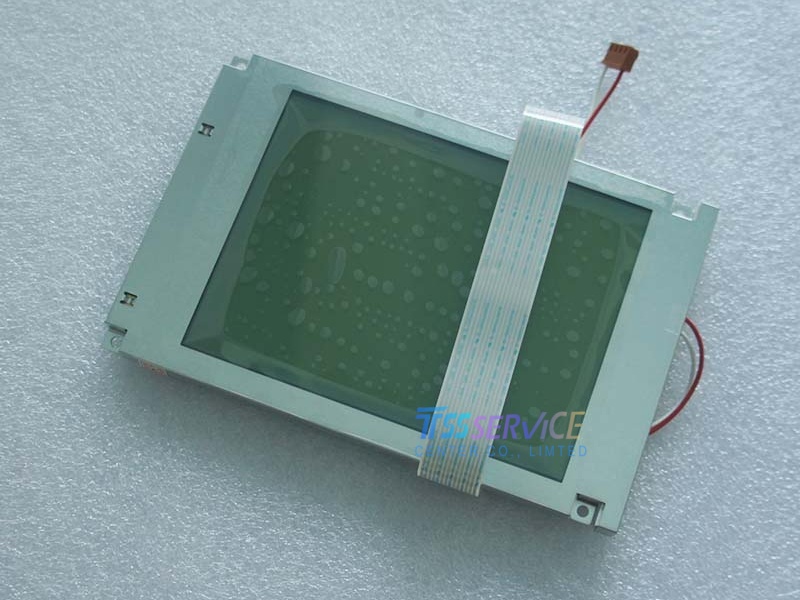
For an engineer integrating the SP14Q006-T into a product design, several practical considerations come to the fore. First is the interface; this panel typically uses a parallel RGB or MCU interface, which is straightforward to drive with common microcontrollers but requires more GPIO pins than a serial TFT. Second is lighting. While excellent in ambient light, a frontlight solution (side-mounted LEDs with a light guide) must be designed for low-light use, adding a minor but important component to the BOM.
Furthermore, the monochrome nature is a design constraint that must be embraced. The user interface must be conceived in shades of gray, leveraging high contrast and clear iconography. The 320x240 resolution, while low by modern standards, is perfectly adequate for structured data, menus, and simple graphics. The developer's challenge—and opportunity—lies in creating an intuitive, highly functional interface that maximizes the inherent legibility and efficiency of this display technology, rather than fighting its limitations.
In conclusion, the 5.7-inch 320x240 FSTN LCD, exemplified by the SP14Q006-T model, stands as a testament to the principle that optimal technology is defined by application fit, not merely raw specs. Its unparalleled combination of sunlight readability, ultra-low power draw, cost-effectiveness, and robust reliability secures its vital role in critical industrial, medical, and portable devices. For product designers prioritizing function, longevity, and user clarity in challenging environments, this FSTN display remains not just a viable choice, but often the most intelligent and strategic one, proving that in a world of colorful complexity, superior monochrome clarity holds immense and enduring value.


