In the world of industrial and embedded electronics, where reliability, clarity, and longevity are paramount, monochrome LCD panels remain indispensable workhorses. Among these, the SP14Q009 HITACHI 5.7-Inch 320x240 STN LCD Display Panel stands out as a classic and enduring solution. This article delves deep into this specific display module, moving beyond basic specifications to explore its core technology, inherent strengths, ideal application environments, and the critical design consideratio
In the world of industrial and embedded electronics, where reliability, clarity, and longevity are paramount, monochrome LCD panels remain indispensable workhorses. Among these, the SP14Q009 HITACHI 5.7-Inch 320x240 STN LCD Display Panel stands out as a classic and enduring solution. This article delves deep into this specific display module, moving beyond basic specifications to explore its core technology, inherent strengths, ideal application environments, and the critical design considerations it presents. We will uncover why, in an age of dazzling color touchscreens, this monochrome display continues to be the optimal choice for a vast array of demanding professional and industrial systems.
The Enduring Architecture of STN Monochrome Technology
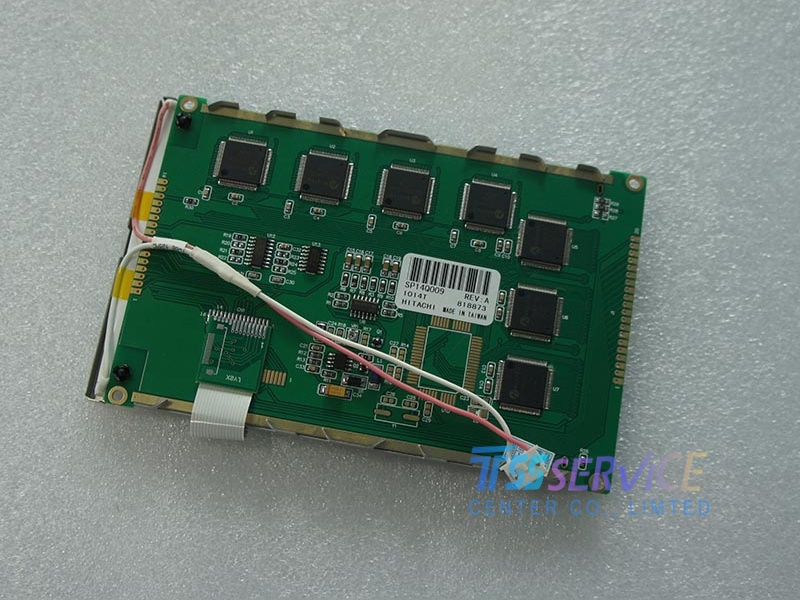
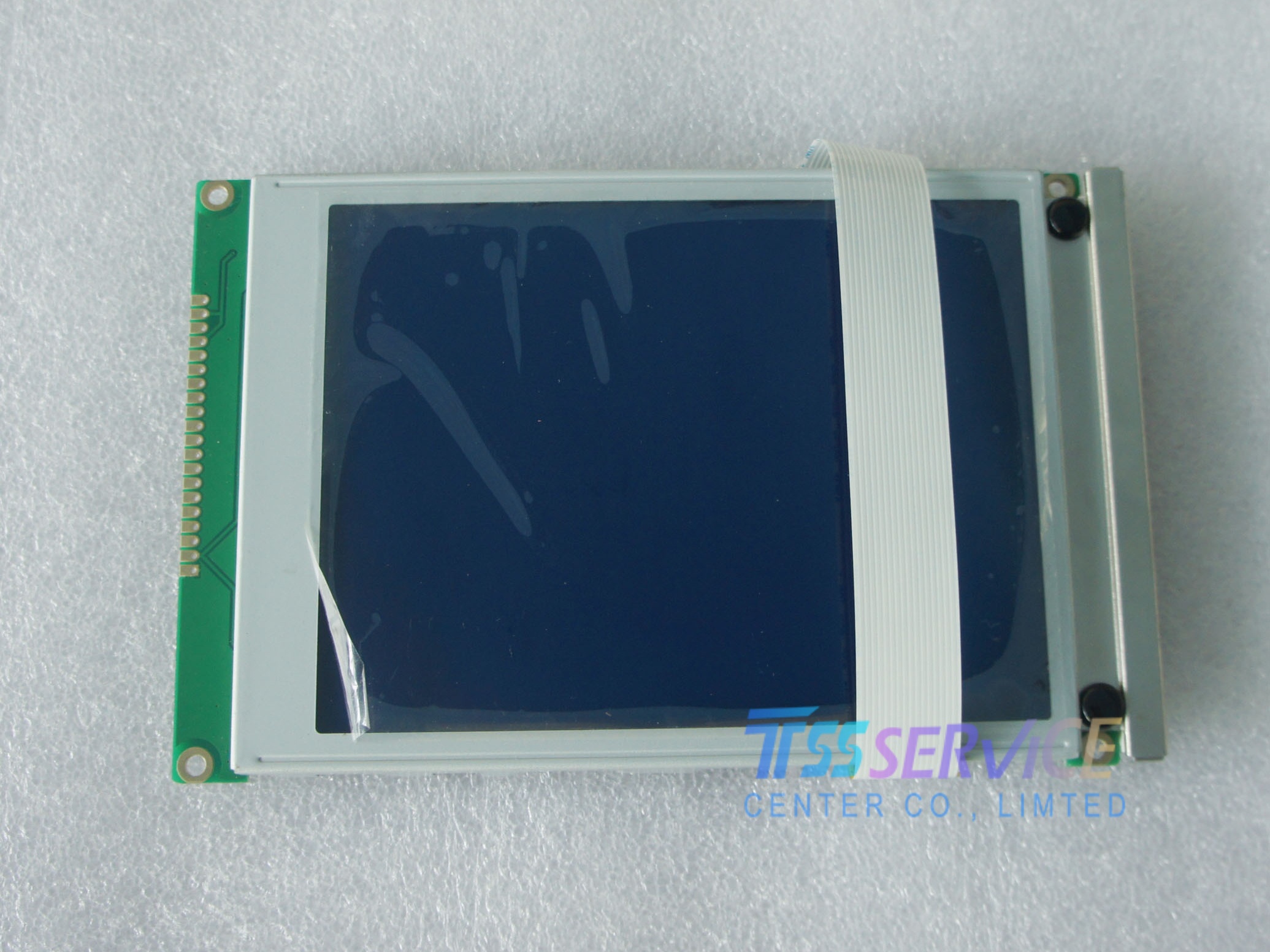
At the heart of the SP14Q009 lies Super Twisted Nematic (STN) technology, a pivotal evolution from simpler Twisted Nematic (TN) LCDs. The "super twist" refers to a 180 to 270-degree twist of the liquid crystal molecules, a fundamental design change that yields significantly higher contrast and a much wider viewing angle. This 5.7-inch panel, with its 320x240 pixel Quarter VGA (QVGA) resolution, provides a sharp, well-defined character and graphic display area perfectly suited for data-intensive interfaces. Unlike active-matrix displays, STN is a passive matrix technology, meaning each pixel is addressed by the intersection of row and column electrodes without an active transistor at each pixel. This results in a simpler, more robust, and cost-effective physical structure. The monochrome, typically sharp blue-on-silver or black-on-gray presentation, eliminates color distraction and ensures exceptional readability under various lighting conditions, forming the foundation of its utility.
Engineered for Resilience in Demanding Environments
The true value of the Hitachi SP14Q009 is unlocked in its operational resilience. Designed from the ground up for non-consumer applications, it excels where other displays would falter. Its wide operating temperature range allows for consistent performance in both frigid and heated industrial settings. The high contrast STN screen remains perfectly legible under bright ambient light, including direct sunlight, where glossy color displays would wash out completely. Furthermore, the simplicity of its monochrome passive matrix design contributes to exceptional long-term reliability and a remarkably long operational lifespan, often outlasting the equipment it is embedded within. This panel is built not for aesthetic appeal but for continuous, faultless operation in control panels, test equipment, medical devices, and factory automation systems where downtime is not an option.
Strategic Applications: Where Monochrome Clarity Wins
Identifying the ideal use cases for this display is key to leveraging its advantages. It is the superior choice in scenarios where information density, low power consumption, and extreme reliability trump color and multimedia capability. Prime applications include:
-
Industrial Human-Machine Interfaces (HMIs): For machine control panels, PLC operator terminals, and SCADA systems displaying status logs, numerical data, and schematic diagrams.
-
Test and Measurement Equipment: In oscilloscopes, signal generators, and multimeters where precise numerical readouts and waveform clarity are critical.
-
Medical and Laboratory Devices: For patient monitors, diagnostic equipment, and lab instruments requiring unambiguous data presentation without eye strain.
-
Legacy System Upgrades and Maintenance: As a direct replacement part in existing systems originally designed with this form factor, ensuring continuity and reducing re-engineering costs.
In these contexts, the SP14Q009 provides focused functionality without unnecessary complexity or cost.
Critical Integration and Sourcing Considerations
Implementing a display like the SP14Q009 is not a plug-and-play endeavor; it requires thoughtful engineering integration. Designers must account for the need for a dedicated LCD controller to generate the specific timing and voltage signals required to drive the passive matrix. The interface is typically parallel (e.g., 8-bit or 16-bit), demanding microcontroller GPIO resources or an intermediary interface chip. Backlighting—often LED or CCFL—requires its own power supply and dimming circuit. Furthermore, as a component with a long product lifecycle, sourcing becomes a strategic consideration. While available through specialist distributors, verifying authentic Hitachi-sourced panels is crucial for guaranteed performance and longevity. Engineers must balance the display's operational benefits against the design overhead of driver development and supply chain diligence.
The Hitachi SP14Q009 5.7-inch STN display exemplifies a principle often overlooked: that optimal technology is defined by the application's core requirements, not by raw specs. Its monochrome STN architecture delivers unmatched reliability, readability, and environmental toughness for critical systems. By understanding its technological foundations, recognizing its ideal deployment environments, and carefully planning for its integration, engineers can specify this display with confidence, ensuring a human-machine interface that performs flawlessly for years, if not decades, in the field. It remains a testament to the enduring power of focused, robust engineering in a specialized component.


