In the intricate world of industrial and embedded display solutions, the selection of a specific TFT-LCD module often becomes the cornerstone of a product's user interface and reliability. This article delves into a detailed examination of the TX14D12VM1CBA, a 5.7-inch monochrome display module designed to interface with Hitachi HD44780-compatible controllers
In the intricate world of industrial and embedded display solutions, the selection of a specific TFT-LCD module often becomes the cornerstone of a product's user interface and reliability. This article delves into a detailed examination of the TX14D12VM1CBA, a 5.7-inch monochrome display module designed to interface with Hitachi HD44780-compatible controllers. Far more than a simple screen, this a-Si (amorphous Silicon) TFT-LCD represents a specialized tool for applications where clarity, durability, and precise electrical integration are non-negotiable. We will explore its technical architecture, decode its interface protocol, analyze its ideal application landscapes, and provide crucial integration insights, offering a comprehensive guide for engineers, procurement specialists, and product developers navigating the demanding realm of industrial display integration.
Technical Architecture and Monochrome Visual Performance
The TX14D12VM1CBA is built around a 5.7-inch diagonal a-Si TFT panel with a resolution of 320 x 240 pixels, commonly known as QVGA. Unlike full-color displays, this module presents a monochrome output, typically in a sharp blue or grayscale mode on a dark background. This design choice is fundamentally strategic. The use of a monochrome STN (Super Twisted Nematic) or similar technology, coupled with the a-Si backplane, provides exceptional contrast ratios and wide viewing angles crucial for instrumentation and control panels. The absence of a color filter array eliminates sub-pixel rendering complexities, resulting in exceptionally legible character and graphic elements, even under variable lighting conditions.
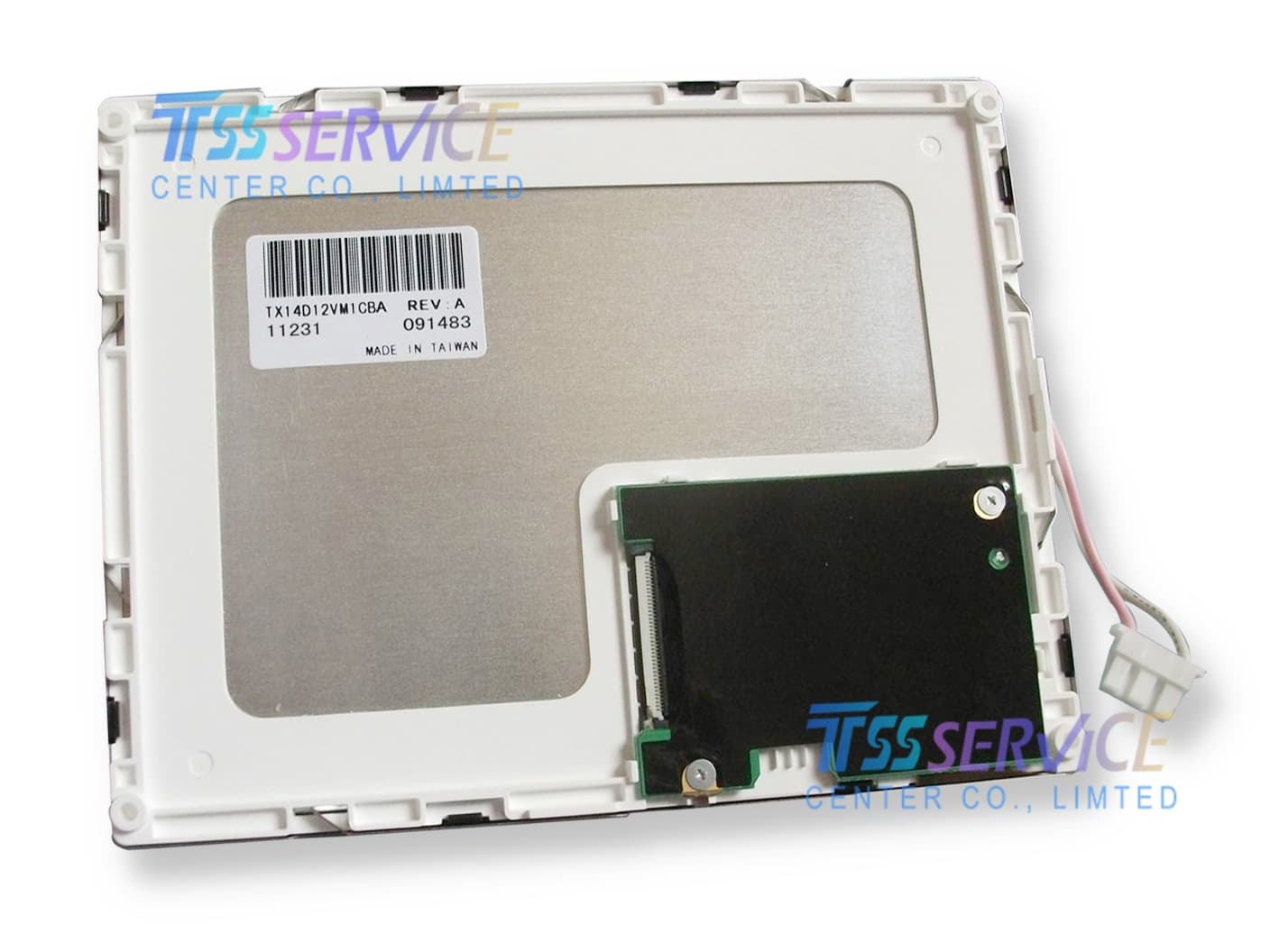
Key to its performance is the integrated CCFL (Cold Cathode Fluorescent Lamp) backlight system, noted by the "VM" in its model number. This technology, while gradually being supplemented by LEDs in some markets, offers a stable, uniform, and bright light source with a long operational life, essential for equipment expected to run continuously for years. The module's rugged construction is designed to withstand the electrical noise and physical vibrations typical in industrial environments, making it not just a display, but a robust component engineered for endurance.
Decoding the HD44780 Interface Protocol
The true defining characteristic of the TX14D12VM1CBA is its parallel interface, meticulously crafted for compatibility with the ubiquitous Hitachi HD44780 LCD controller or its numerous clones. This interface is a de facto standard in the embedded world. The module accepts direct 8-bit or 4-bit parallel data, along with standard control signals (Enable, Read/Write, Register Select). This protocol is exceptionally well-documented and supported by virtually every microcontroller family, from legacy 8051 cores to modern ARM-based systems, often with readily available library code.
This compatibility translates to significant development efficiency and risk reduction. Engineers do not need to grapple with complex serial protocols, high-speed MIPI interfaces, or proprietary driver ICs. Instead, they work with a simple, bit-banged or memory-mapped parallel interface that is straightforward to debug and control. The module handles all the complex tasks of pixel timing and refresh internally, presenting a clean, character- and graphic-based canvas to the host processor. This simplicity is its greatest strength, allowing teams to focus their firmware resources on core application logic rather than display driver development.
Target Applications and Industrial Ecosystem Fit
The specifications of the TX14D12VM1CBA clearly map it to a distinct segment of the industrial and professional electronics market. Its profile is ill-suited for consumer multimedia but perfect for human-machine interfaces (HMIs) where information clarity and reliability are paramount. Primary application domains include industrial automation control panels, test and measurement equipment, medical diagnostic devices, telecommunications infrastructure, and point-of-sale terminals.
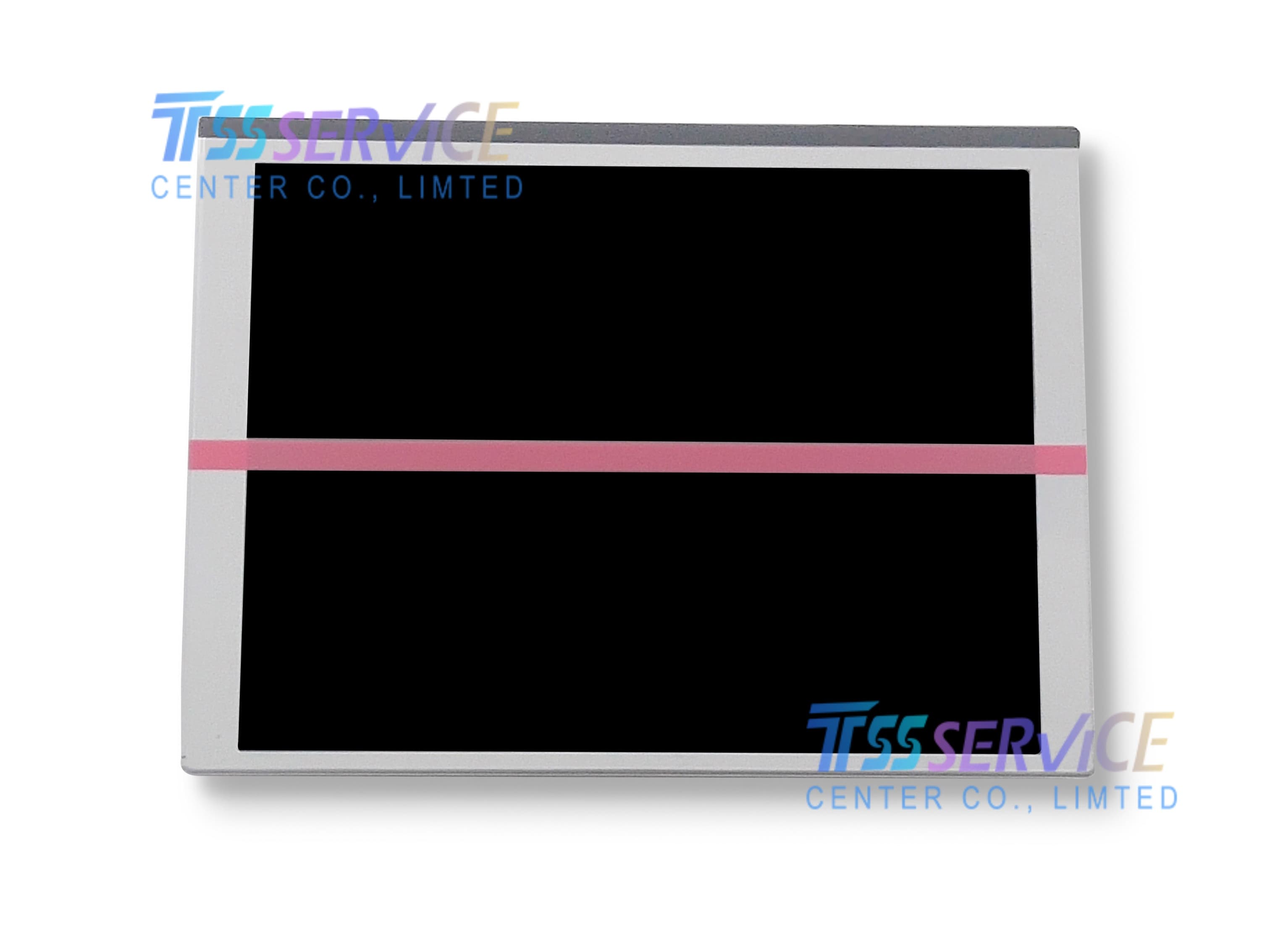
In these settings, the display is not for entertainment but for critical data presentation: numerical readouts, system status messages, menu-driven configurations, and simple schematic graphics. The monochrome display is easy on the eyes during long monitoring sessions and performs consistently across a wide temperature range. Its compatibility with the HD44780 standard means it can serve as a direct, higher-resolution upgrade path for older equipment using character-only LCDs, enabling modern graphical elements without a complete system interface overhaul. This positions it as a key component in the longevity and upgradability of capital equipment.
Integration Considerations and Design Best Practices
Successfully integrating the TX14D12VM1CBA requires attention to several practical details beyond simple electrical connection. First, power sequencing and backlight management are critical. The CCFL backlight requires a high-voltage inverter circuit, which must be properly shielded to prevent electromagnetic interference (EMI) from affecting sensitive analog measurements elsewhere in the system. Designers must adhere to the module's specified power-on timing to avoid latch-up or display corruption.
Second, mechanical integration must account for the module's bezel and mounting points. Its design is typically for PCB mounting via pins or a connector, and the assembly must be secured against shock and vibration. Finally, from a software perspective, while the interface is simple, optimizing the graphical output requires careful planning. The 320x240 pixel grid allows for custom fonts and bitmapped graphics, but developers must manage this memory space efficiently. Creating a library of common screen elements (icons, logos, gauge graphics) can streamline development and ensure a consistent, professional user interface across the application.
In summary, the TX14D12VM1CBA 5.7-inch TFT-LCD module exemplifies a purpose-driven component, excelling not through raw specs but through specialized functionality and proven compatibility. Its strength lies in its marriage of a clear, durable monochrome display with the universally understood HD44780 parallel interface, offering unparalleled integration simplicity for industrial designs. For engineers developing reliable HMIs in automation, medical, or instrumentation fields, this module provides a low-risk, high-legibility solution that accelerates development and ensures long-term field reliability. It stands as a testament to the enduring value of robust, well-standardized technology in an ever-advancing electronic landscape.


